REVIEW · MADRID
From Madrid: Andalusia with Cordoba and Costa del Sol 6 Days
Book on GetYourGuide →Operated by Julia Travel Gray Line Spain · Bookable on GetYourGuide
Mosque, cathedral, palace, and sea views in one plan. This Madrid-to-Andalusia route strings together the Mosque-Cathedral of Córdoba and the Alhambra & Generalife with smart guided help, plus a break on the Costa del Sol. One consideration: the schedule is busy, and the guided portions can feel a bit rushed if you hate moving from stop to stop.
I like that you’re not just sightseeing. You get local-guided context at the big-ticket monuments, then you’re free to wander the smaller streets on your own. The practical win is that pickup is set for you at Aloft Gran Via in Madrid, and the tour director stays with the group the whole time.
This is also a tour where details matter. You’ll need your passport for booking (the company requires the full passport/ID data), you’ll travel by luxury coach, and you’re limited to one regular suitcase plus a handbag. It’s not suitable for people with mobility impairments or wheelchair users, so be honest about your comfort before you sign up.
In This Review
- Key highlights that make this tour worth your time
- Price and logistics: what you’re really paying for
- Day 1: Mérida’s Roman ruins to Córdoba’s Caliphate-era streets
- Day 2: Inside Córdoba’s Mosque-Cathedral and through the Jewish Quarter
- Day 3: Seville Cathedral, Santa Cruz vibes, and Plaza de España
- Day 4: Ronda’s canyon views and Costa del Sol leisure time
- Day 5: Granada and the Alhambra complex with Generalife Gardens
- Day 6: Granada back to Madrid, with one final dose of movement
- Pace check: what can feel rushed, and how to protect your experience
- Who this tour suits best (and who should think twice)
- Should you book this Madrid-to-Andalusia 6-day route?
Key highlights that make this tour worth your time
- Guided monument time in Córdoba, Seville, and Granada with key entrances included
- Mérida stop for Roman ruins before you hit the Andalusia classics
- Ronda’s views built in—valley and mountain panoramas, not just city driving
- Costa del Sol as a real change of pace with afternoon leisure
- Seville’s major sights grouped smartly (Cathedral, Santa Cruz, Plaza de España, plus park time)
- Optional flamenco Zambra if you want a nighttime add-on in Granada
Price and logistics: what you’re really paying for
At about $1,166 per person for 6 days, this isn’t a budget-only trip. The value comes from the mix of travel + accommodation + daily breakfast + coach transport + a tour director + guided entrances for the biggest sights.
Here’s what’s doing the heavy lifting for your money:
- You get local-guided city tours in Córdoba, Seville, and Granada.
- Entrance tickets are included for the Mosque-Cathedral, Seville Cathedral, and the Alhambra + Generalife.
- You’re traveling by luxury coach between destinations, so you’re not piecing together trains or rental cars.
What’s not included is what can surprise people: tourist city taxes and any meals beyond breakfast, plus extras like drinks and snacks. Plan for that so the final cost doesn’t catch you off guard.
Also, hotels are in two categories: Superior T and Superior Plus A, with the Plus option tending to be more central. If you’re the type who likes walking to evening plans, that center location usually matters.
One more logistics note that affects your stress level: the booking process requires passport/ID/nationality data for every passenger with no exceptions. If you’re traveling with someone else or booking later than you planned, get those documents ready early.
You can also read our reviews of more tours and experiences in Madrid

Day 1: Mérida’s Roman ruins to Córdoba’s Caliphate-era streets
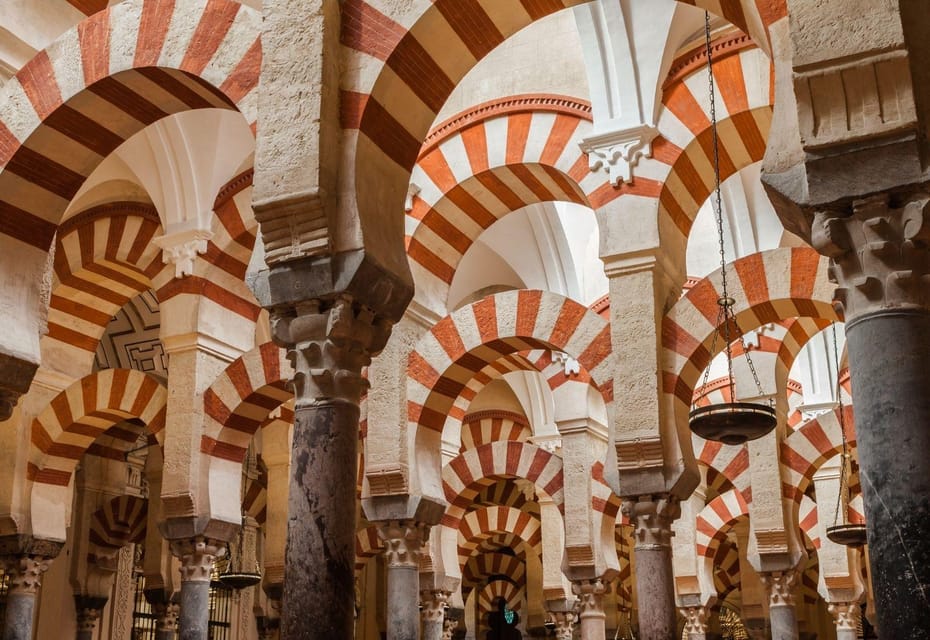
Your day starts in Madrid, heading west toward Extremadura. The route stops in Mérida, the region’s capital and a World Heritage Site known for well-preserved Roman remains.
This is a great “warm-up” stop for your brain. Before you get the Moorish-and-Catholic layers of Andalusia, you get a clean hit of Roman design:
- the Roman theater
- the amphitheater
- the Roman bridge
- and additional ruins you’ll recognize once you’re there
Then you continue to Córdoba, once the capital of the Caliphate. This is the part I like: the tour gets you to the right city without trying to cram every detail into the first few hours. You arrive, check in, and the day finishes with accommodation so you can start Córdoba with better energy on Day 2.
The only drawback here is simple: it’s a travel day with a lot of “move, see, move again.” If you’re sensitive to long coach hours, pack a small comfort kit for the bus ride (water, something to keep you busy, and layers for bus temperatures).
Day 2: Inside Córdoba’s Mosque-Cathedral and through the Jewish Quarter
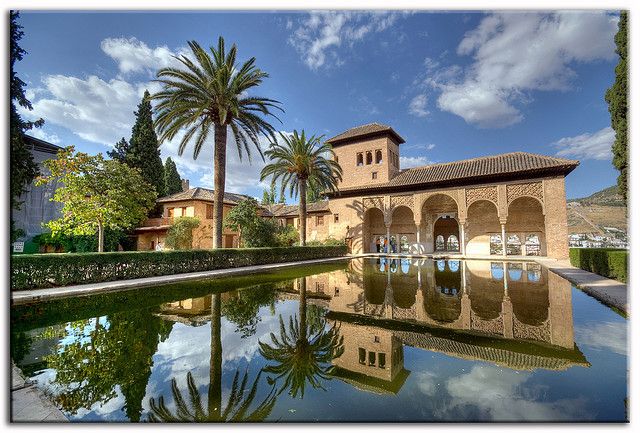
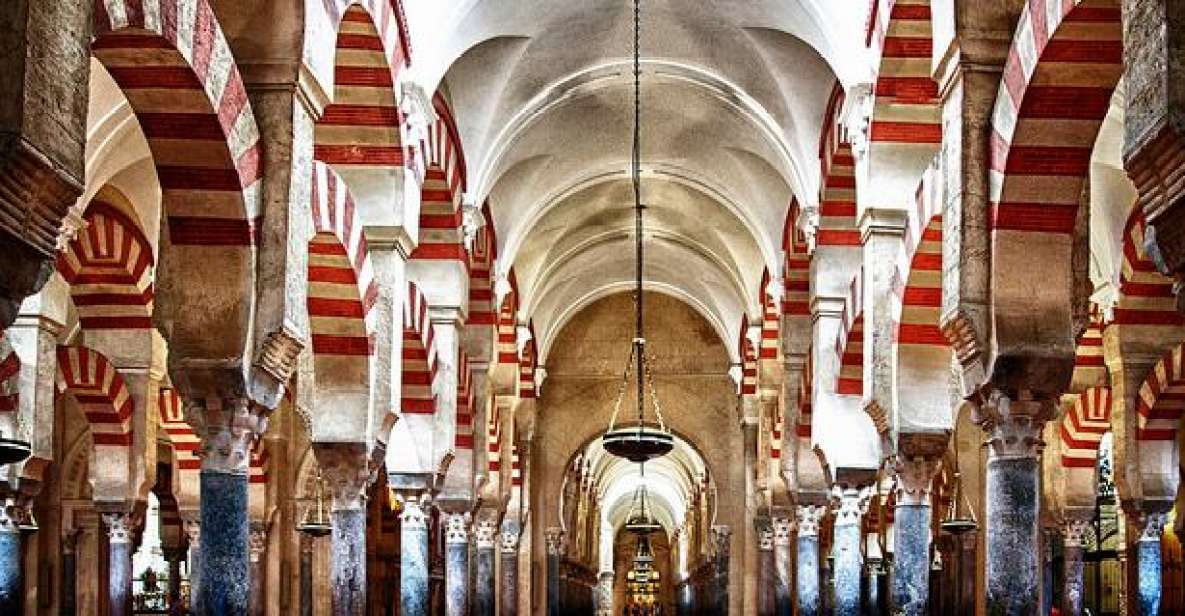
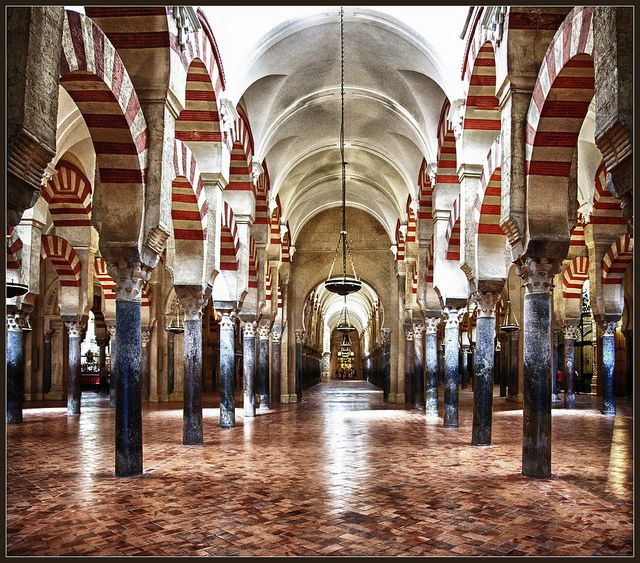
Day 2 is the day of the Mosque-Cathedral of Córdoba—and the tour makes this the centerpiece with a guided visit that includes entrance.
This monument is famous for a reason, but what the guide adds is what helps you actually understand it while you’re standing there. You’re looking at centuries of power shifting forms—first a major mosque, then a cathedral—woven into the same structure. The guided time helps you notice the logic of the design instead of just taking photos and moving on.
After the monument, you head through Córdoba’s narrow lanes, including the Jewish Quarter area. This is where the city feels human. Expect tight streets, small viewpoints, and the kind of walking that makes you slow down without being told to.
If you’re the type who prefers a strict plan, you’ll like this day because the tour “anchors” you with one major visit, then gives you room to explore the atmosphere afterward. If you’re the type who gets overwhelmed in crowds, aim for quieter moments—early in the day tends to be better, especially in the main monument zones.
Day 3: Seville Cathedral, Santa Cruz vibes, and Plaza de España
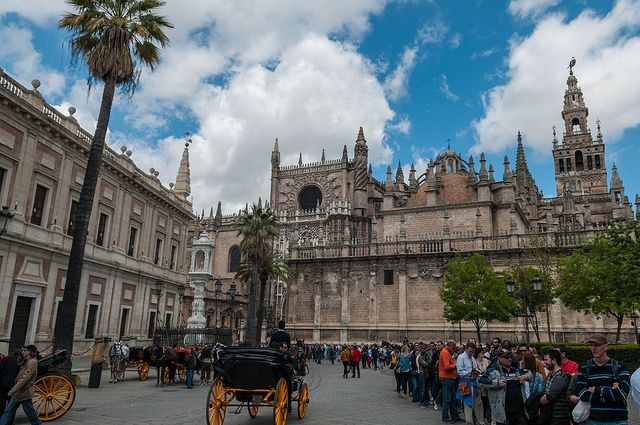
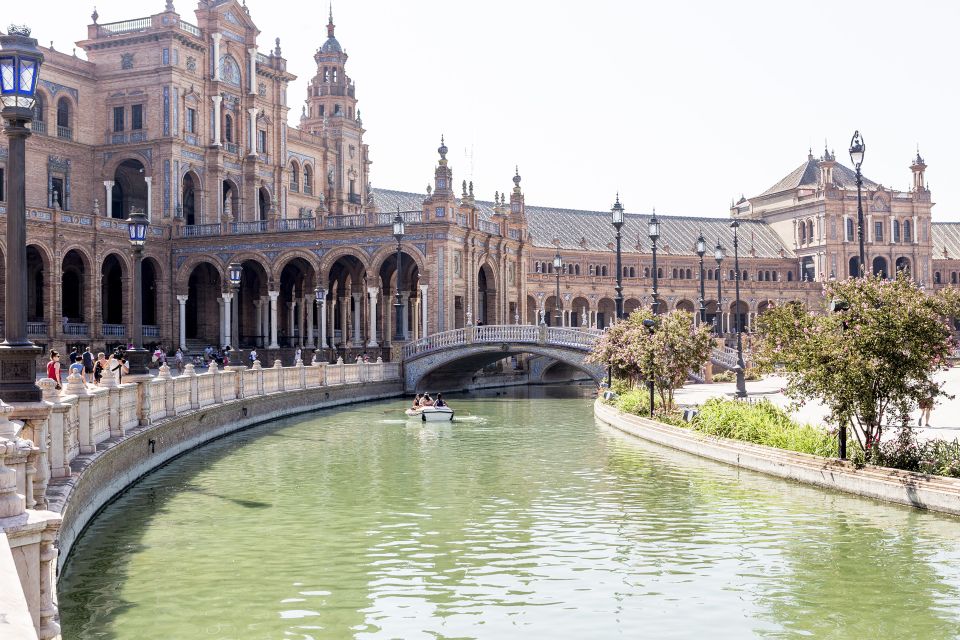
Seville takes over on Day 3. After breakfast, you get a monumental and panoramic city tour with entrance to the Seville Cathedral, described on this tour as the second largest Catholic cathedral in the world after St. Peter’s in Rome. Even if you don’t memorize size facts, the scale is what you feel.
From there, the tour includes a tour path through:
- the Barrio de Santa Cruz
- the Plaza de España
- and María Luisa Park
Two cultural threads run through Santa Cruz on this route: it connects with the setting for Carmen and with the legend/myth around Don Juan. You may not see every landmark tied to those stories, but you’ll understand why guides keep bringing them up—they’re a shorthand for how Seville became a stage for art and theater.
The practical value of the full morning plan is that you get orientation fast. Then the afternoon is free time, which is exactly when you’ll want to test your own instincts: choose one neighborhood for wandering, find a café rhythm, and let the city’s pace reset you.
One caution: the Seville schedule is packed, so if you hate being herded, keep your expectations realistic. The structure is meant to hit the major sights efficiently, and that can mean tighter timing around the guided blocks.
Day 4: Ronda’s canyon views and Costa del Sol leisure time
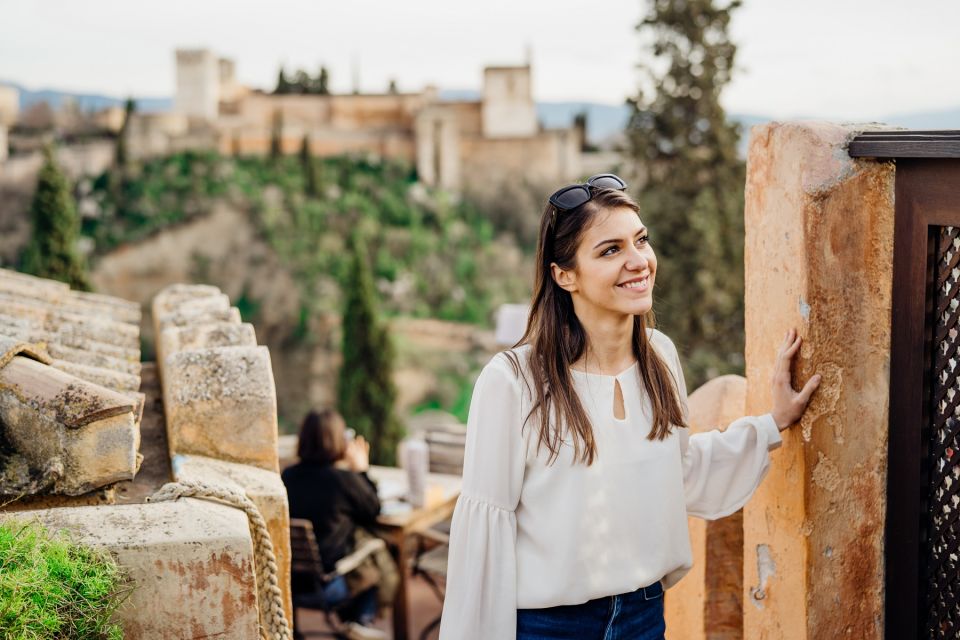
Day 4 is split between two very different feels.
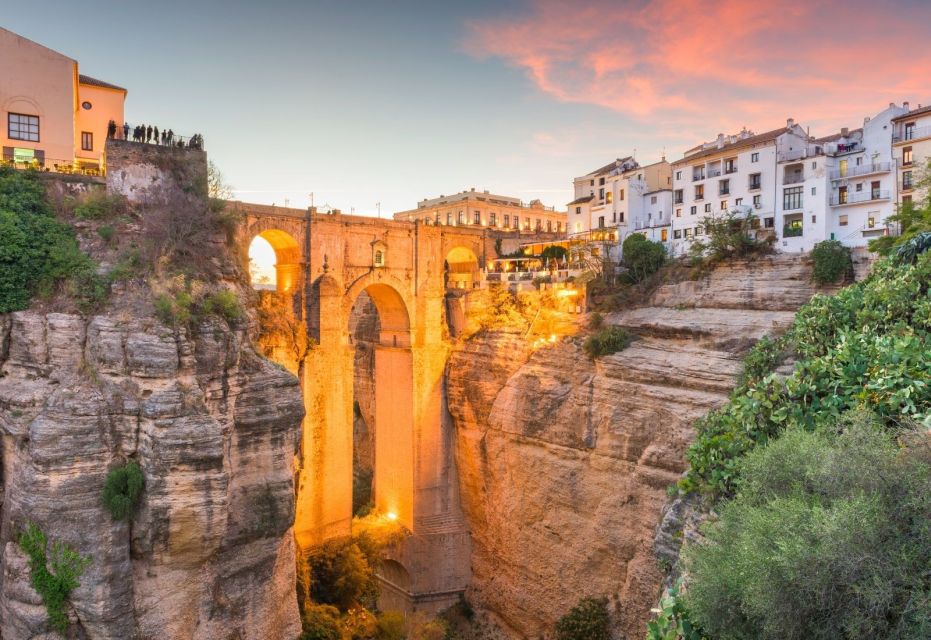
First comes Ronda, a town with Celtic origin, plus one of the best reasons to stop here: the marvelous valley and mountain-range views. Even if you’ve seen viewpoints before, Ronda has a special way of making geography feel dramatic. You’ll be looking down into the landscape, not just across a city square.
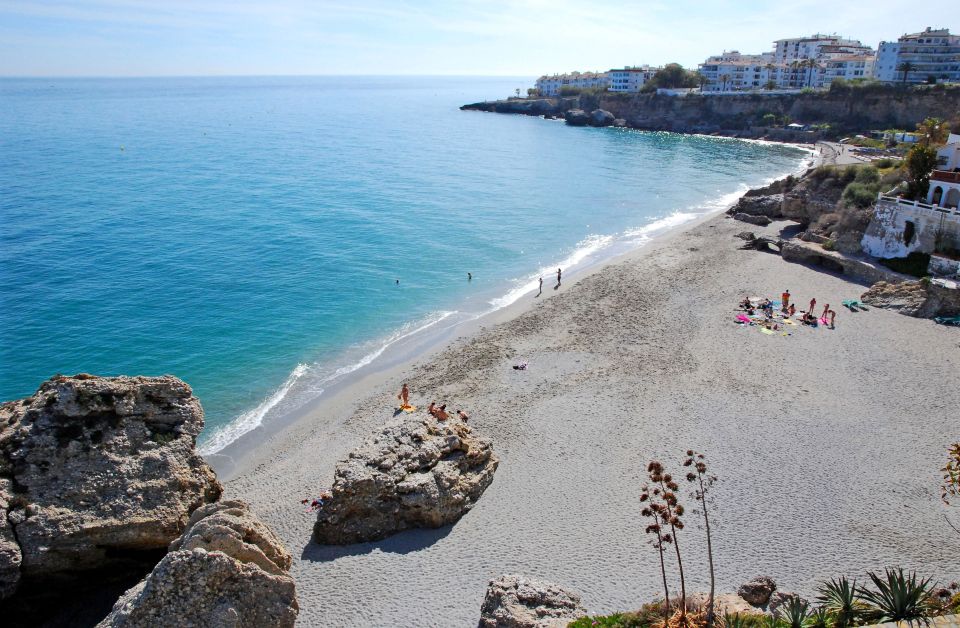
Then you head to the Costa del Sol, described here as one of the major international tourist areas in Spain. This is the tour’s practical recovery moment. You get afternoon leisure, which I recommend using for something simple:
- a long walk
- a slow lunch
- beach time if the weather supports it
Costa del Sol isn’t the “one monument” kind of place. It’s the “take a breath” kind of place. So if you expect another Alhambra-level sight, you might feel underwhelmed. If you want a change of pace, you’ll probably appreciate it.
Since this is leisure time, your best move is to decide your own goal before you sit down after lunch. Example: do you want a shoreline stroll, a town-center wander, or a quick scenic stop? Picking one helps you avoid the trap of doing nothing productive with a free afternoon.





Day 5: Granada and the Alhambra complex with Generalife Gardens
Granada is where the trip’s storyline tightens. You’re visiting the last stronghold of the Moorish kingdoms up to 1492, and the tour gives you direct access to the Alhambra complex and the Generalife Gardens.
This is one of those sights where timing and guided context matter. The Alhambra is big, and without structure you can end up moving through rooms without landing on what makes it special. Here, you arrive with the tour’s built-in explanation so you know what to look for.
The Generalife Gardens are included too, and the tour notes they inspired authors, including Washington Irving and his Tales of the Alhambra. That matters because it gives you a way to connect the place to its cultural footprint, not just its walls and arches.
In the evening, you have an optional flamenco Zambra show. If you want the full Andalusia vibe without planning it yourself, this is a convenient add-on. If you’d rather keep things flexible, you can skip it and explore at your own pace after the palace day.
Keep in mind: after a day in Granada’s sights, you’ll likely be tired. So plan your evening like you’re already halfway through the trip—hydration, a simple dinner, and no major “must-see” list.
Day 6: Granada back to Madrid, with one final dose of movement
Your last day is a straightforward return north to Madrid after breakfast. You’ll travel back to the start of your trip and end service with accommodation in Madrid.
This day is less about new sights and more about how you manage momentum. If you want a final memory (like buying a few sweets or olive-oil souvenirs), do that on your last night in Granada rather than assuming you’ll feel energized on the last coach day.
Pace check: what can feel rushed, and how to protect your experience
The big pattern across the tour is clear: major monuments are scheduled with guide-led time, then free time follows, then you move again.
That’s a smart approach for many people because it prevents “lost time”—you’re not waiting around deciding what to do next. It also maximizes the days you have, especially when you’re dealing with ticketed sites like the Alhambra.
Still, one concern is real: the guided visits can feel fast. If your personal style is slow looking, lingering, and asking a lot of questions, you may feel squeezed during the structured parts of the day.
Here’s how you make it work anyway:
- Decide what you want most from the big stops (one or two things), so you don’t feel like you’re missing everything.
- During guided segments, take notes mentally, not physically. If you’re trying to write down everything, you’ll feel stressed.
- During free time, pick one neighborhood or one activity and commit. The trip gives you chances to wander; you just have to choose.
Who this tour suits best (and who should think twice)
This tour fits you well if:
- you want guided access to the big icons rather than figuring it out alone
- you like a structured path through Andalusia’s most important cities
- you want one trip that covers Córdoba + Seville + Granada plus a sea-side break
- you value having a tour director and coach transport so you don’t deal with logistics
It might not be the best match if:
- you need a relaxed pace with lots of “do-your-own-thing” time built into every day
- you’re very sensitive to tight timing around guided monument visits
- you rely on wheelchair access or have mobility impairments (the tour states it’s not suitable)
For hotel choices, if you’re the type who likes being close to restaurants and walking out easily at night, consider Superior Plus A for its centrally located tendency. If you prefer quieter surroundings, Superior T may still work fine—just align your expectations with the location you choose.
Should you book this Madrid-to-Andalusia 6-day route?
If you want a classic Andalusia sampler with real structure—Mosque-Cathedral, Seville Cathedral, Alhambra, and Generalife—this is a strong pick. The entrances and local guidance are what make the experience feel efficient rather than chaotic, and the Costa del Sol afternoon helps you avoid ending the week in monument overload.
I’d book it if your travel style matches this: you like seeing the highlights with help, then using free time to breathe and wander. I’d think twice if you need a very slow pace or you know you get frustrated when groups move quickly through set stops.
If you’re ready for an action-packed week with smart organization and high-value ticket inclusions, this is one of those tours that turns Andalusia from a list of names into a connected journey.