REVIEW · MADRID
Madrid Essential: Historic Center, Plaza Mayor & Royal Palace
Book on Viator →Operated by Tours Madrid | TOURSTILLA · Bookable on Viator
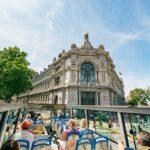
Madrid clicks into focus fast when you walk this loop. This tour stitches together the city’s key symbols at Puerta del Sol and Plaza Mayor, then explains what they mean with stories you can actually picture. I also like the format: you get a local guide plus printed visuals and tools, so the stops don’t feel like random photo spots.
You’ll also get a practical mix of landmarks and small moments that add up. The route includes a quick, inside-feeling stop at Plaza de la Villa (with an included ticket) and ends with a hilltop Royal Palace viewpoint where the city opens up.
One thing to plan for: you’re mostly seeing exteriors and learning from the street level. Royal Palace entry isn’t included, and this is real walking—so wear comfy shoes.
In This Review
- Key highlights worth your time
- Puerta del Sol: New Year grapes, Km 0, and the beating heart of Madrid
- Plaza Mayor: bullfights, Inquisition-era drama, and why food fits the story
- Arco de Cuchilleros: old-school Madrid where crafts survive
- Arab Wall doors and Madrid’s layered identity
- Flamenco at Tablao Arco de Cuchilleros and La Real Botica’s tunnel connection
- Plaza de la Villa and Almudena: old town hall, jail, and a royal cathedral link
- Royal Palace viewpoint: the hilltop view that ends the walk right
- Price and value: what you really get for the money
- Who should book this Madrid Essential walk
- Should you book Madrid Essential: Historic Center, Plaza Mayor & Royal Palace?
- FAQ
- How long is the Madrid Essential walking tour?
- Is the tour offered in English?
- What’s included in the tour price?
- Are tickets to the Royal Palace included?
- Where does the tour start and end?
- What happens if the weather is bad or I need to cancel?
Key highlights worth your time
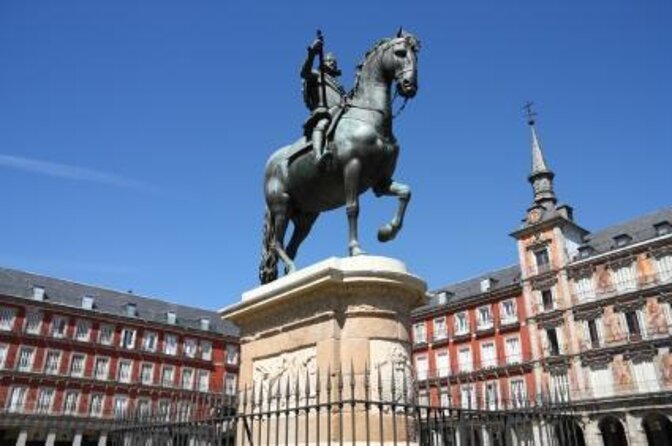
- Puerta del Sol orientation in one stop: New Year tradition, the famous Km 0 marker, and city symbols
- Plaza Mayor context you can remember: bullfights, Inquisition-era events, and local lore
- Arco de Cuchilleros area gets personality: famous for old-school establishments like a classic barbershop
- Madrid’s layers in plain sight: the Arab Wall story framed at the doors where it stood
- Flamenco introduction at Tablao Arco de Cuchilleros: a quick, focused taste of what to look for next
Puerta del Sol: New Year grapes, Km 0, and the beating heart of Madrid
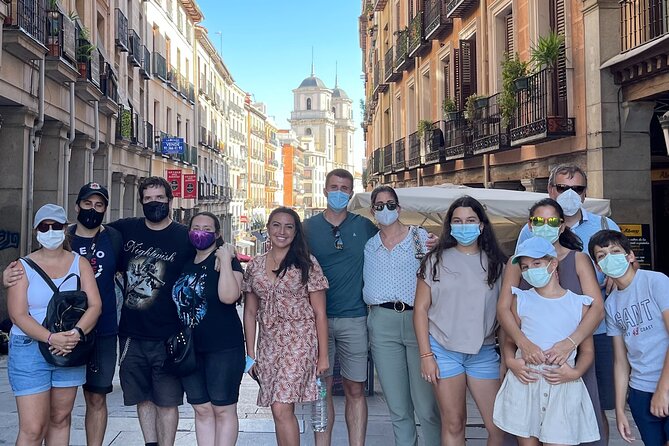
Puerta del Sol is where Madrid feels like Madrid. Even if you’ve only just landed, it’s the kind of place that makes the city’s rhythm click. The tradition here is the New Year moment with the 12 grapes, tied to the Campanadas countdown. It’s one of those odd details that suddenly feels important once you understand the story behind it.
From there, you’ll get to the Km 0 plate, the starting point for Spain’s radial road system. This isn’t just trivia. It’s a mental anchor: once you know where Km 0 sits, you start seeing Madrid as the center of a bigger map, not a standalone stop on a tour list.
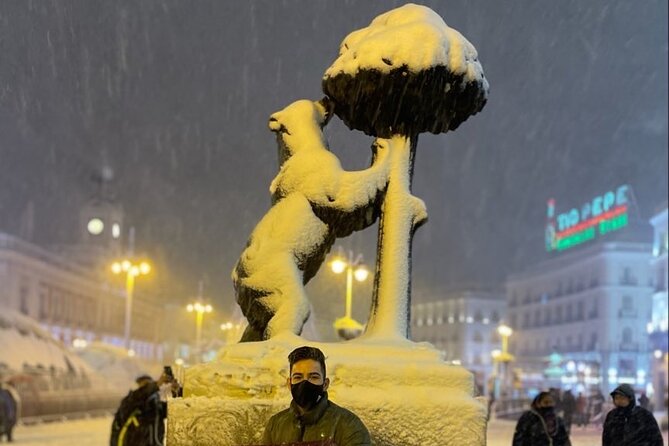
You’ll also spend time on Madrid’s visual identity: the Bear and the strawberry tree symbol, plus the statue of King Carlos III. This is a strong early-morning (or mid-afternoon) strategy—before the crowds settle, you learn the city’s icon language so every street after that reads a little clearer.
Expect a brisk pace. This isn’t a slow museum stop. It’s a “get your bearings fast” kind of walk that works well as day-one Madrid prep.
You can also read our reviews of more historical tours in Madrid
Plaza Mayor: bullfights, Inquisition-era drama, and why food fits the story
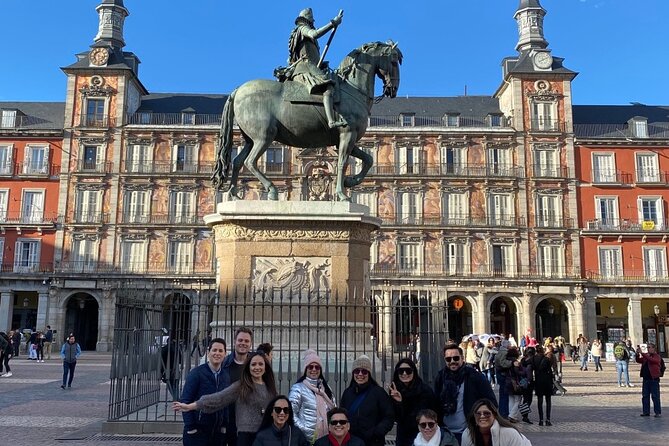
Plaza Mayor is the kind of square that feels like a stage. The tour frames it as Madrid’s ancient nerve center, where major events played out over the centuries—things like bullfights and even the Spanish Inquisition. If you’ve ever wondered why Spanish plazas feel so theatrical, this is the explanation.
What makes this stop more than just big buildings is the way it connects politics, daily life, and food. You’ll talk about gastronomy, including the famous squid sandwich. It’s not a random food mention. It ties the square’s history to the reality of what people ate and how the city lived around these gathering spaces.
You’ll also hear local lore that pulls you toward other parts of Madrid, including a reference point to Toledo as the old capital—described as the Spanish Jerusalem—and a nod to the famous Hotel associated with Cristiano Ronaldo. The Toledo angle matters because it gives you a bigger historical lens for your next choices, especially if you plan a day trip. And the Ronaldo reference? It helps you spot how Madrid mixes old-world identity with modern fame.
One practical note: Plaza Mayor is famous for crowds. This tour keeps you moving and listening, so you’re not stuck waiting to find the guide each time the group flows through the square.
Arco de Cuchilleros: old-school Madrid where crafts survive
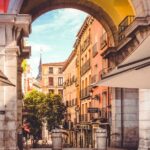
Then the tour moves into Arco de Cuchilleros, a narrow, character-heavy slice of the old center. This is where Madrid shifts from the big-square drama into the day-to-day texture of the city.
The highlights here are about staying power and tradition. You’ll hear about the oldest restaurant in the world and the oldest barbershop in the European Union—two claims that may sound like bragging, but the point is clear once you’re there. This neighborhood still feels built around crafts and routines, not just sightseeing.
The stop also works as a reset. After Puerta del Sol and Plaza Mayor, your brain wants something grounded. A corridor of shops and services, plus stories about what’s been here for ages, does that job well.
If you like walking tours that feel like you’re learning how locals lived, this is the segment that delivers. If you’re hoping for lots of formal interior access, keep your expectations grounded: this is more about street-level discovery and context than museum time.
Arab Wall doors and Madrid’s layered identity
Madrid’s history isn’t only Spanish-Christian or only medieval—it’s layered, and the Arab Wall story is a fast way to understand that. At this stop, the tour sets up a welcome at major doors where the Arab and Christian wall systems of Madrid were located.
Even with a short visit, this helps you read the city’s geometry. Walls and doors explain why some streets feel like they bend or narrow the way they do. Once you hear the wall story, you’ll start noticing how Madrid grew around defenses, boundaries, and later reuse.
This is also where good guiding matters. The best guides don’t just recite facts—they point you toward what to watch for in the street. The route here is brief, but the takeaway is big: Madrid’s old center wasn’t built from scratch in one style. It’s a patchwork of eras.
If you’re the type who enjoys “why is this here” moments, don’t rush past this stop when the group moves on.
Flamenco at Tablao Arco de Cuchilleros and La Real Botica’s tunnel connection
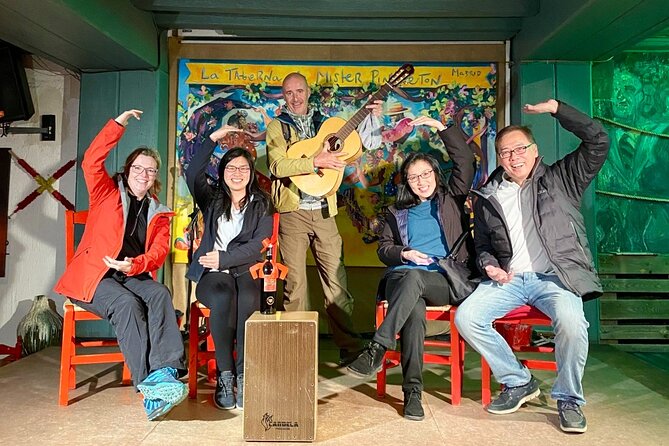
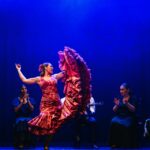
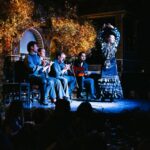
Next comes a quick flamenco stop at Tablao Flamenco Arco de Cuchilleros. The tour frames flamenco as an experience you should live, not just a headline you read about. Even if this segment is short, it points you toward how to continue the story after the tour—where flamenco shows happen in the historic center and what atmosphere you should look for.
Right after that, you’ll shift to a different kind of tradition: La Real Botica de la Reina Madre. This is presented as the oldest centenary business in Madrid, and the key detail is the tunnel connected to the Royal Palace. That connection is what makes it more than a shop photo stop. It’s a hint that the Royal Palace wasn’t only a grand public-facing monument; it was part of a practical network reaching into the city.
These two stops—flamenco and the botica—keep the tour varied. You go from performance culture to historical logistics. That variety is one of the reasons the walking time doesn’t feel repetitive.

Plaza de la Villa and Almudena: old town hall, jail, and a royal cathedral link
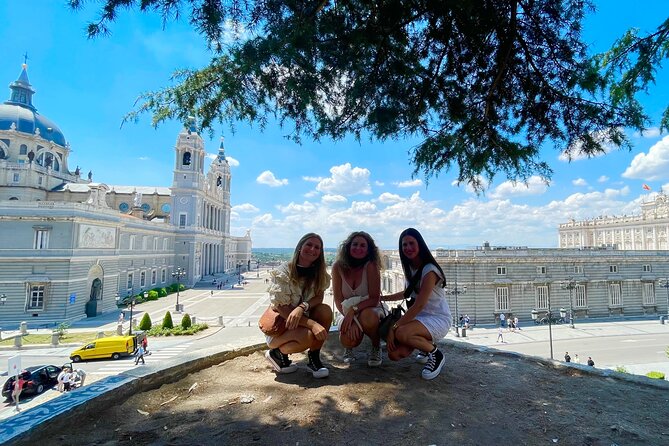
Plaza de la Villa is one of those places where Madrid shows its older civic identity. You’ll learn it’s the first plaza of the city, plus you’ll hear about the old town hall and the jail of the city. The tour also mentions the narrowest street nearby, which makes this spot feel like you’re moving through history rather than standing beside it.
You’ll also get an included ticket here. The specific sights covered by that ticket aren’t spelled out in the tour info you provided, but the inclusion is a clear sign this isn’t just a look-from-the-side square. It’s worth treating this stop as your small “extra” inside moment.
Then the walk continues toward Catedral de Sta Maria la Real de la Almudena. This cathedral is presented as majestic and consecrated by Pope John Paul II, plus it’s noted as a royal wedding venue. Again, the value is in the framing. A cathedral can feel like a stop on a checklist, but when you connect it to major religious and royal milestones, it lands differently.
This is a good sequence if you want a “civic + royal” storyline before the tour finishes with Madrid’s grandest palace view.
Royal Palace viewpoint: the hilltop view that ends the walk right
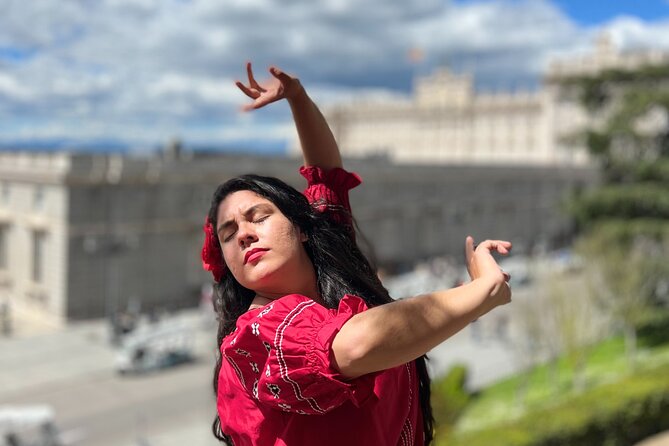
The final big landmark is the Royal Palace of Madrid. The key is what you’re not doing: Royal Palace entry is not included. Instead, you’ll climb a hill to reach a Mirador with some of the best views of Madrid.
That choice is smart for time-strapped visitors. The palace is visually dominant from outside, and the viewpoint gives you the payoff—seeing the scale of the city and how the palace sits within it. If you want the full palace interiors later, you can add that on your own schedule.
This end-of-tour design is also practical. You’re usually walking with a single goal in mind by this stage, and then you finish with a visual breath. It’s the moment that helps your photos make sense later, because you now understand the palace location and the streets that flow outward from it.
Price and value: what you really get for the money
Pricing here is listed as $3.62 per group (up to 15), which is unusually low for a guided, structured walk. That said, the real value comes from what’s included, not just the base price.
You get:
- a local guide
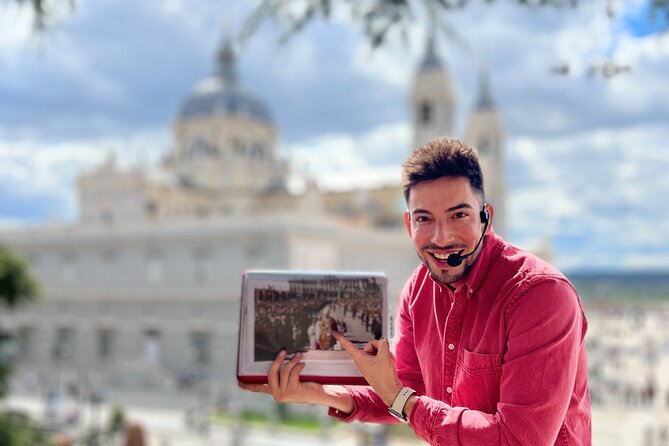
- printed material and teaching tools throughout the route
- a link for personalized recommendations on what to do in Madrid
- personalized attention from your guide after the tour
You also don’t have to pay for entries as part of the tour plan, since the sites are mostly viewed rather than formally entered (with the exception of an included ticket at Plaza de la Villa, and Royal Palace entry not included).
The biggest cost consideration isn’t the tour price—it’s budgeting for the guide tip at the end (tips aren’t included). In some cases, groups may also be asked to cover a small earpiece fee so everyone can hear clearly. If you’re going during a busy season or a rain-threat day, this kind of add-on can matter, so I’d keep a little extra in your pocket.
Bottom line: if you want an affordable, organized first look at central Madrid, this is strong value. If you’re chasing “only indoor attractions,” you’ll feel the limits faster.
Who should book this Madrid Essential walk
This tour is a great fit if:
- it’s your first time in Madrid and you want quick orientation
- you like history told with street-level details and memorable stories
- you want food and culture woven into landmark stops, not separated into different tours
- you prefer a short, efficient walk rather than long museum sessions
It may be less ideal if:
- you want lots of paid interior time (Royal Palace entry isn’t included)
- you dislike walking through crowded squares
- you’re hoping for a slow pace with long photo breaks at every stop
The guides frequently named in feedback—people like Javier, David, Christian, Maikel, Miguel, Idan, Andrés, and Paul—are praised for keeping groups engaged with humor and strong storytelling. Even if every guide styles things differently, the format supports that lively approach.
Should you book Madrid Essential: Historic Center, Plaza Mayor & Royal Palace?
Yes, I’d book it if you want to understand central Madrid quickly. The route makes smart choices: it hits the core icons early (Puerta del Sol), gives you a major cultural square (Plaza Mayor), then moves into the old-center craft lanes (Arco de Cuchilleros) and wall history, and finally ends with a palace viewpoint that’s worth the walk.
Do it early in your stay if you can. After this, you’ll know what you’re looking at when you wander on your own, and you’ll have a tighter sense of where to go next—whether that’s more flamenco, Toledo, cathedral stops, or simple food hunting around the old center.
FAQ
How long is the Madrid Essential walking tour?
It’s about 2 hours 30 minutes.
Is the tour offered in English?
Yes, it’s offered in English.
What’s included in the tour price?
You get a local guide, printed material and teaching tools, a link with personalized recommendations for what to do in Madrid, and follow-up personalized attention from your guide after the tour.
Are tickets to the Royal Palace included?
No. The Royal Palace itself is not included, though you’ll climb to a Mirador for views.
Where does the tour start and end?
It starts at Puerta del Sol, Centro, Madrid, Spain, and ends at C. de Requena, 3, Centro, 28013 Madrid, Spain.
What happens if the weather is bad or I need to cancel?
The experience requires good weather. If it’s canceled due to poor weather, you’ll be offered a different date or a full refund. You can cancel for free up to 24 hours in advance for a full refund.