Street art in Lavapiés feels personal fast. This 2-hour walk mixes international mural work with tiny, easy-to-miss street details in a small group, and it’s guided by people who genuinely know the art. One thing to consider: if you fall for a piece at the gallery, it’s not included—you’ll likely want to buy it.
I especially like the pace and the fact it stays low-key. You move like a local through a neighborhood that has real daily life, not just photo stops. The guide’s background as an artist or art historian makes the stories click, from artists’ symbols to the culture behind the walls.
The only drawback is practical: this is a walking tour, and Lavapiés streets can be uneven. If you’re sensitive to heat or want a slower route, plan for breaks and comfortable shoes.
In This Review
- Key things to know before you go
- First Steps in Lavapiés: Portomarín Meeting Point and a Local Pace
- Calle de Argumosa and the Reina Sofía Pass: Setting the Art Context Before the Walls
- From Mercado Antón Martín to Lola Gil’s Trampantojo: Where Street Art Gets Clever
- Calle de Embajadores: Chasing Big Murals and the Hidden Details You’d Walk Past
- How the Guides Teach You to Read Street Art (Without Making It Complicated)
- The Local Gallery Finish: Meet Artists and Plan for What You Might Buy
- Price and Value at About $33 for 2 Hours in a Small Group
- Who Should Book This Lavapiés Street Art Walk (And Who Might Want Something Else)
- Should You Book This Lavapiés Street Art Walk?
- FAQ
- FAQ
- How long is the Madrid: Hidden Street Art Tour?
- How much does the tour cost?
- Where does the tour start?
- What neighborhood is the tour focused on?
- What language is the tour in?
- Is the group size small?
- Is the tour wheelchair accessible?
- What’s included in the price?
- What is not included?
- What are the cancellation terms?
Key things to know before you go
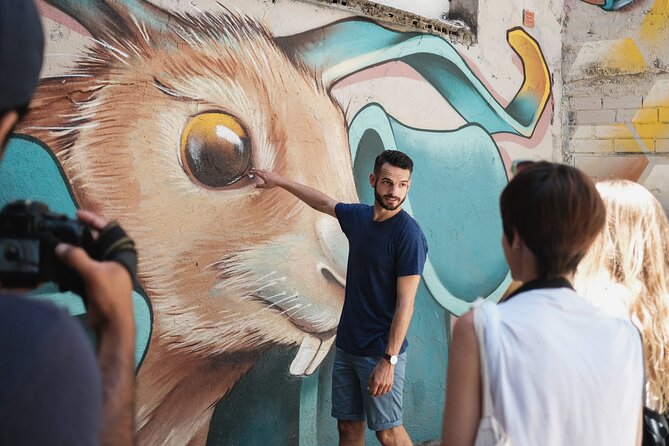
- Small group (up to 10) keeps the walk relaxed and easier for questions.
- Artists or art historians lead it, so the explanations stay grounded in real context.
- Big murals plus micro-details means you’ll get both headline artwork and subtle finds.
- Hidden pieces beyond the usual guidebook circuit are part of the experience.
- A local gallery visit ends the tour and can connect you with working street-art makers.
- Gallery purchases aren’t included, so bring decision-ready money if you want to take art home.
First Steps in Lavapiés: Portomarín Meeting Point and a Local Pace
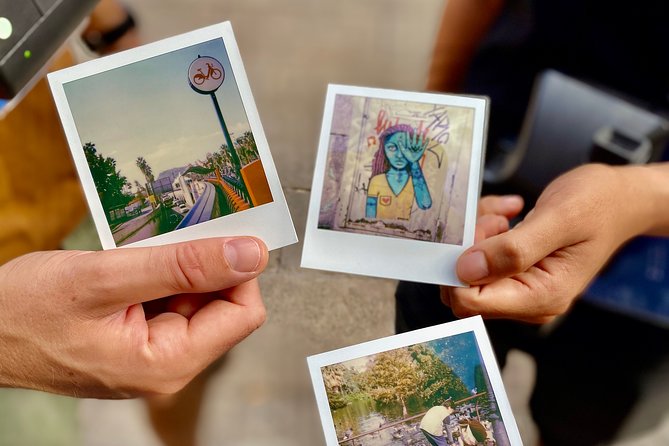
You start at street level, right in front of the Portomarin restaurant. If you arrive early, it’s a handy spot to grab a coffee or a quick drink before the walk begins. This matters more than it sounds—starting calmly helps you notice the neighborhood as you go.
The tour is designed for a 2-hour walk, with a small group capped at 10 participants. That group size changes everything: you’re not stuck behind a crowd, and you can actually hear what the guide is pointing out. Even better, the tour is led in English, so you’re not forced to guess at meanings.
You’re also walking through Lavapiés, a neighborhood known for its mix of cultures and constant creative energy. The best part is that you’re not only “viewing art.” You’re moving through the places where art lives—right alongside storefronts, walls, and everyday conversations.
You can also read our reviews of more tours and experiences in Madrid


Calle de Argumosa and the Reina Sofía Pass: Setting the Art Context Before the Walls
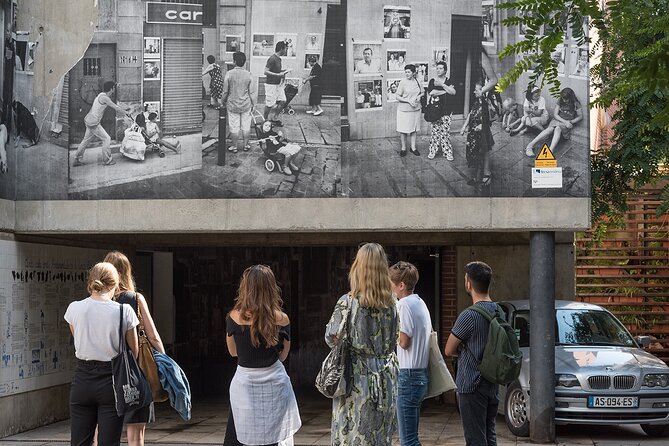
The first stretch takes you along Calle de Argumosa. It’s a quick walk, but it’s a smart warm-up because the guide starts training your eye. You’ll begin noticing how street artists use scale, color, and placement to control what you see first.
Then you pass the Museo Nacional Centro de Arte Reina Sofía area. You’re not doing a museum visit here, but that pass gives a useful contrast: street art and formal art aren’t competing worlds. They overlap in technique, ideas, and the way artists comment on society.
After a couple minutes of that context, the tour starts feeling less random. You’ll likely find yourself asking better questions: Why here? Why that color? What is the artist trying to say, and who is it for?
From Mercado Antón Martín to Lola Gil’s Trampantojo: Where Street Art Gets Clever
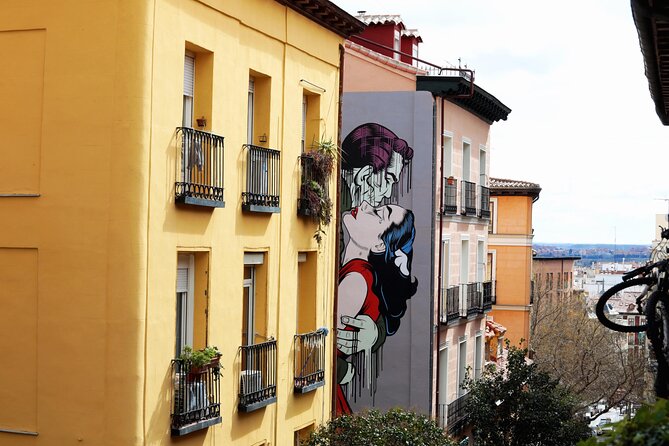
Next you head toward Mercado Antón Martín for a short visit and sightseeing time. Even if you’re not shopping, stepping into the market atmosphere helps you understand the neighborhood’s rhythm. This is where Lavapiés doesn’t slow down just because a tour is happening.
A stop for the Trampantojo cerámico de Lola Gil follows. This is the kind of artwork you might miss if you only look for big murals. A trampantojo (a trick-of-the-eye idea) is all about illusion, craft, and surprise. It rewards the kind of attention most people only give to paintings behind glass.
I like this part because it proves the point of the tour: street art isn’t just loud. It can be playful, detailed, and technical—especially when it uses materials and tricks that make the wall feel like it’s transforming.
Calle de Embajadores: Chasing Big Murals and the Hidden Details You’d Walk Past
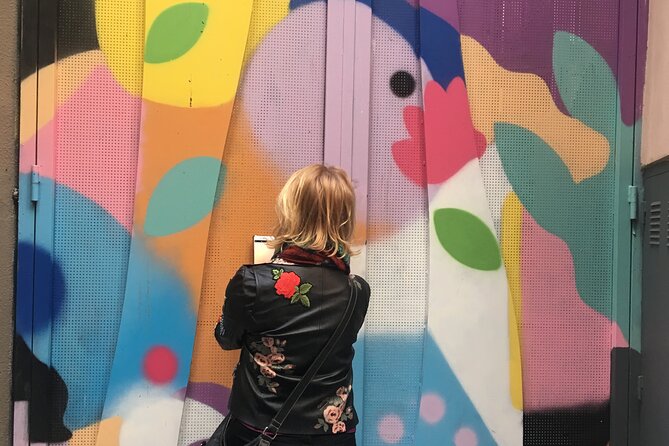
Calle de Embajadores is where the walk starts to feel like a real scavenger hunt. You spend about 20 minutes here, with sightseeing and walking time built in so you can actually stop, look, and understand what you’re seeing.
This is where you get the balance the tour promises: major, photo-friendly murals on big facades, plus the smaller pieces tucked into corners. The guide will point out how some works are easy to spot because they’re visually dominant, while others require a second look—often right when your brain starts assuming the wall is blank.
One review described it as finding artwork that felt like it was still alive through festivals, which matches what you see in street art culture in general: it changes over time. Even when a mural is old, the surrounding street environment keeps adding meaning.
If you want practical advice, here it is: slow down when the guide slows down. Street art can look like decoration until someone explains the symbols, the references, and the style choices. Then it starts reading back like a message.
How the Guides Teach You to Read Street Art (Without Making It Complicated)
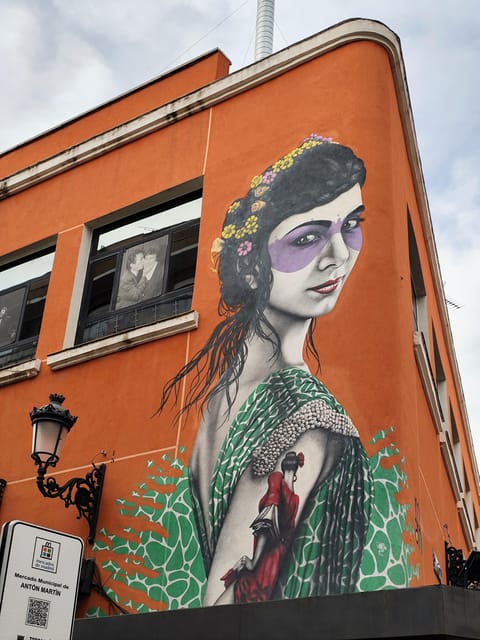
A big reason this tour works is the guide setup. The guides are artists or art historians, not just people who know where murals are. That difference shows in how they talk about style and meaning.
You’ll learn to recognize different types and forms—think everything from tag-style writing to paste-up style work and other urban art formats. The explanations focus on the visual language: what makes one style feel immediate and another feel more composed, why certain symbols show up, and how cultural references can get embedded into the artwork.
What I like most is that the tour doesn’t treat street art like a mystery box that only insiders can open. It gives you tools to decipher what’s on the walls around you after the two hours. That’s the skill you’ll keep in your head when you walk past other murals later in Madrid.
Also, the guides keep it human. Reviews mention friendly, relaxed guidance that feels like being shown the neighborhood by a friend. You don’t just hear facts—you get enough context to care.






The Local Gallery Finish: Meet Artists and Plan for What You Might Buy
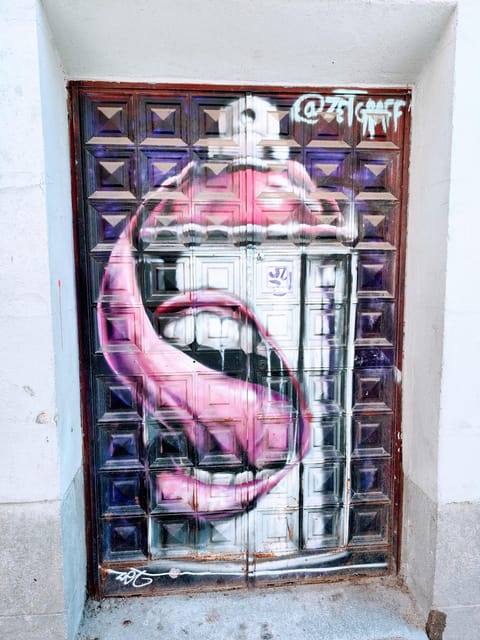
The tour ends with a visit to a local art gallery in the neighborhood. This is a smart final move because street art exists in public space, but the artists behind it also work in real creative ecosystems. Seeing that link helps you understand the street pieces as part of a bigger art conversation.
Reviews specifically mention meeting local artists during the gallery stop. That’s a major value-add, because it turns street art from something you look at into something you can ask about. You can get a clearer sense of how artists think, how they develop themes, and how the community supports the work.
Here’s the practical note: the art you fall in love with at the gallery is not included. If you love the piece, you’ll have to pay for it. That doesn’t make it a negative—it just means you should go with the right expectation. If you’re the type who collects art, this stop could be your highlight.
Price and Value at About $33 for 2 Hours in a Small Group
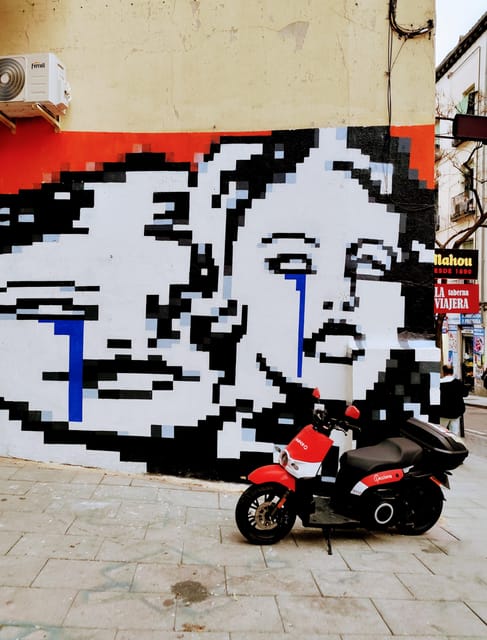
At $33 per person for a 2-hour walk, the price feels fair if you care about understanding the art, not just snapping photos. You’re paying for a guided route plus the guide’s expertise, and the small group size keeps the experience from turning into a fast shuffle.
For value, think about what you actually receive:
- A walk through Lavapiés with both major murals and smaller hidden details
- Explanations that connect styles to cultural references
- A stop that includes a local gallery and a chance to meet artists
If you only wanted a quick photo circuit, you could probably piece together a route on your own. But if you want to leave with a trained eye and a better read on what the walls are saying, this kind of guided format makes sense.
Also, the tour is wheelchair accessible. That’s useful to know if mobility is part of your planning. And with a small group limit, the walk tends to stay manageable rather than chaotic.
Who Should Book This Lavapiés Street Art Walk (And Who Might Want Something Else)
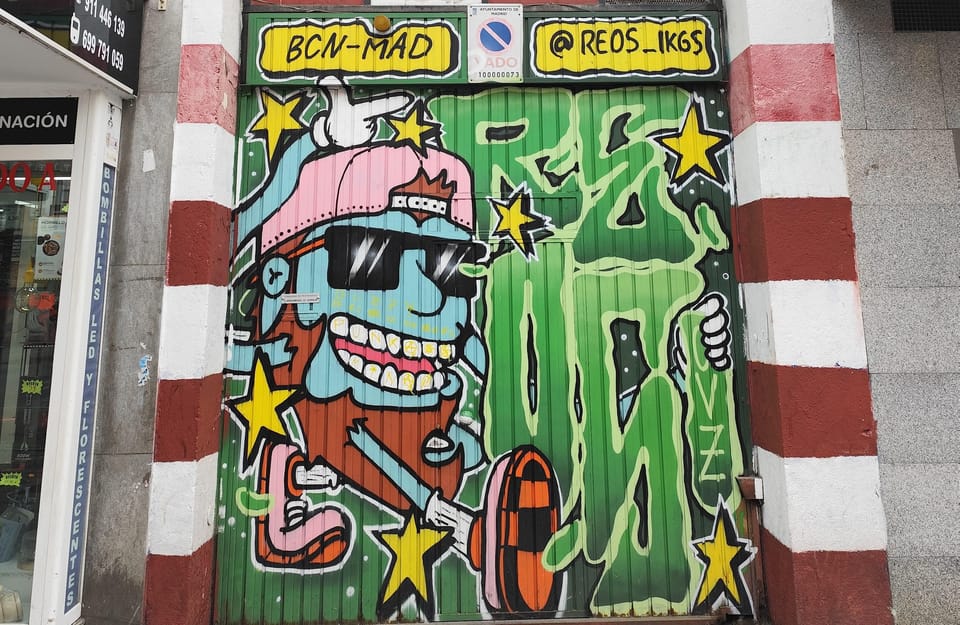
This tour is best for you if you like art that feels close to real life. If you enjoy neighborhoods with texture—people, streets, and wall-to-wall creativity—Lavapiés delivers. You’ll also enjoy it if you want more than general descriptions and you like learning how to interpret styles.
It’s a great fit for:
- People who want a guided walk that stays relaxed
- Anyone curious about graffiti styles and the meanings behind them
- Travelers who prefer small groups and real local atmosphere
It may not be ideal if you hate walking for two hours or if you need a very slow, low-stress route on uneven streets. In that case, plan comfortable shoes and consider bringing water, especially if you’re going during warmer parts of the year. One review called out the walk pace as right for a hot afternoon, which suggests the guides do try to match conditions.
Should You Book This Lavapiés Street Art Walk?
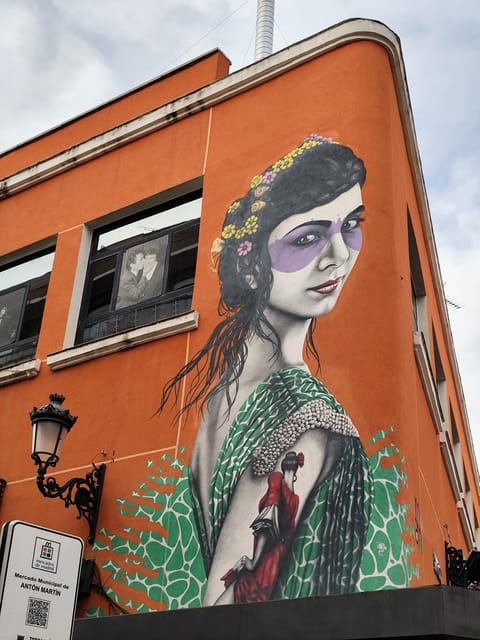
Yes, book it if you want street art that comes with context and a guided eye. The combination of big murals, hidden details, and a gallery finish is a strong loop: public wall art in the neighborhood, plus the working art scene behind it.
I’d skip it only if you’re mainly after a short checklist of Instagram spots and nothing else. This is a learning-first walk, with emphasis on understanding symbols, styles, and the neighborhood’s creative culture. If that sounds like your kind of trip, you’ll likely come away feeling more fluent in what you’re seeing.
FAQ
FAQ
How long is the Madrid: Hidden Street Art Tour?
It lasts 2 hours.
How much does the tour cost?
The price is $33 per person.
Where does the tour start?
You meet in front of the Portomarin restaurant.
What neighborhood is the tour focused on?
The walk focuses on Lavapiés.
What language is the tour in?
The tour guide speaks English.
Is the group size small?
Yes. It’s limited to 10 participants.
Is the tour wheelchair accessible?
Yes, it is wheelchair accessible.
What’s included in the price?
You get a curated route of the best street art and the local guide’s expertise.
What is not included?
If you buy a piece of art at the gallery, that purchase is not included.
What are the cancellation terms?
Free cancellation is available up to 24 hours in advance for a full refund.