REVIEW · MADRID
Madrid: Street Art Tour with Local Graffiti Hunter
Book on GetYourGuide →Operated by Cooltourspain · Bookable on GetYourGuide
Street art hits different when it’s on your feet, not behind glass. This Lavapiés-focused tour pairs city-walking with real insider context, led by guides like Ester and Julian who explain what you’re seeing and why it matters. You’ll also get a local’s sense of the neighborhood’s layers, history, and street-art culture.
I love how the walk mixes styles, from graffiti walls to stencil and sticker art, so you’re not stuck only on one look. I also like the structure: you move between major wall spaces like La Tabacalera and plaza landmarks such as Esta es una Plaza, Plaza del Sombrerete, instead of just wandering aimlessly. One practical catch: beverages aren’t included, so plan to grab water before you start or on the way back.
In This Review
- Key Things That Make This Tour Worth Your Time
- Finding Teatro Valle Inclán and Getting Oriented in Lavapiés
- Why Madrid’s Graffiti Scene Makes Sense Here: Lavapiés and Embajadores
- La Tabacalera: The Former Tobacco Factory Where Street Art Gets Big
- Calle Argumosa and Calle de Embajadores: Stencils, Stickers, and the Art of Small Clues
- Esta es una Plaza, Plaza del Sombrerete: The Big Mural Moment in Madrid’s Center District
- Calle Sombrete and the Talent Pipeline: Veteran Artists Meets New Talent
- How the Guide Changes the Tour (and Why Names Like Hector Stand Out)
- Timing, Walking Style, and What You Should Watch For
- Price and Value: Why $29 Can Feel Like More Than a Walk
- Practical Tips Before You Go (So You Enjoy It, Not Endure It)
- Should You Book This Madrid Street Art Tour?
- FAQ
- What areas does the street art tour cover?
- How long is the tour?
- How much does the tour cost?
- Where do we meet?
- Is the tour offered in English?
- What should I bring?
- Are beverages included?
Key Things That Make This Tour Worth Your Time
- Local graffiti writers as guides: Expect a storyteller, not a lecture.
- La Tabacalera (former tobacco factory) walls: Big space, big street-art energy.
- Esta es una Plaza, Plaza del Sombrerete: A standout stop tied to Madrid’s Center District murals.
- Lavapiés + Embajadores + La Latina: Three connected neighborhoods with different street-art flavors.
- Chance to see major work happening: Past groups have spotted artists working during the walk, like TeTous.
- Two hours, steady pace: Long enough for context, short enough to keep it fun.
Finding Teatro Valle Inclán and Getting Oriented in Lavapiés
You start at the entrance of Teatro Valle Inclán on Calle de Valencia, 1 (near the Lavapiés metro station). It’s a simple meeting point, which matters because street art tours work best when you’re not late and rushing.
From that starting spot, the tour builds your bearings fast. Lavapiés isn’t just a backdrop; it’s a living neighborhood with its own rhythm, and the guide uses that to frame what you see. Wear shoes you can walk in for a while, because you’ll be moving through tight streets and wall-to-wall sights.
If you’re worried about language: the tour is operated in English, and the guide is the live one doing the talking.
You can also read our reviews of more tours and experiences in Madrid


Why Madrid’s Graffiti Scene Makes Sense Here: Lavapiés and Embajadores
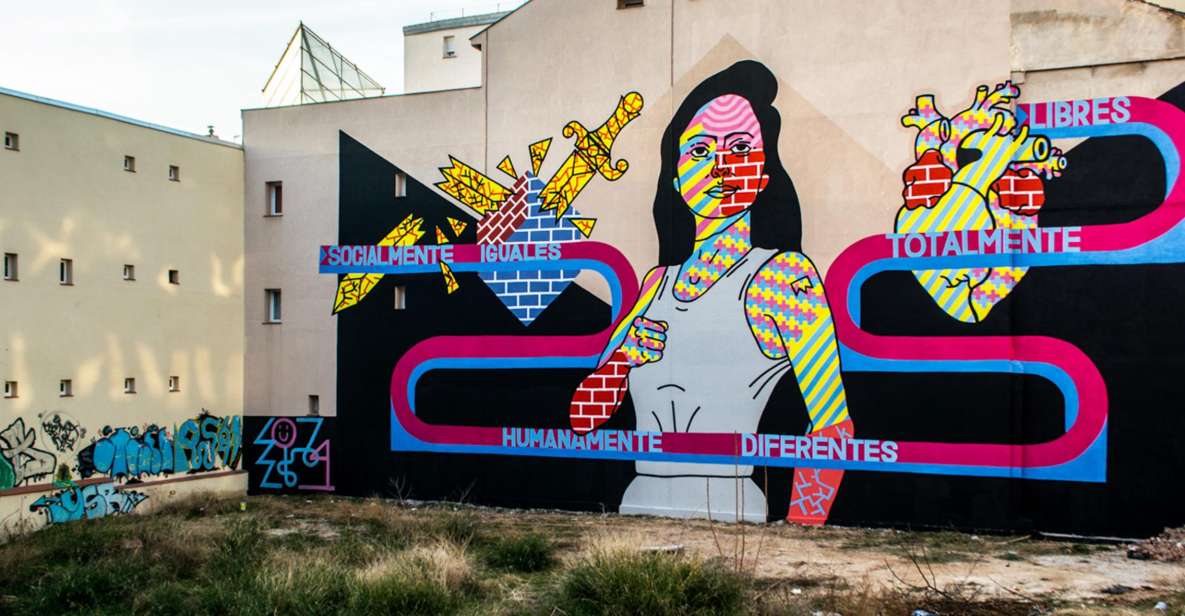
Madrid’s street art doesn’t feel like random decoration when you’re in Lavapiés and Embajadores. This tour helps you read the walls like a local would: color choices, lettering styles, stencil layers, and sticker placements all carry meaning. You’re not just collecting photos; you’re learning how underground culture talks back to the city.
One big theme is the neighborhood’s mix. Lavapiés is known for its multicultural streets and community feel, and the guide connects that to how street art spreads and gains followers. That connection is what makes the tour click, even if you’re only mildly curious about graffiti right now.
Also, the guide isn’t talking only about art history in the abstract. They bring practical examples from the scene, including festival culture and collaboration—some guides work with events such as CALLE Lavapies, Urvanity, and the Muros Tabacalera street art festival.
La Tabacalera: The Former Tobacco Factory Where Street Art Gets Big
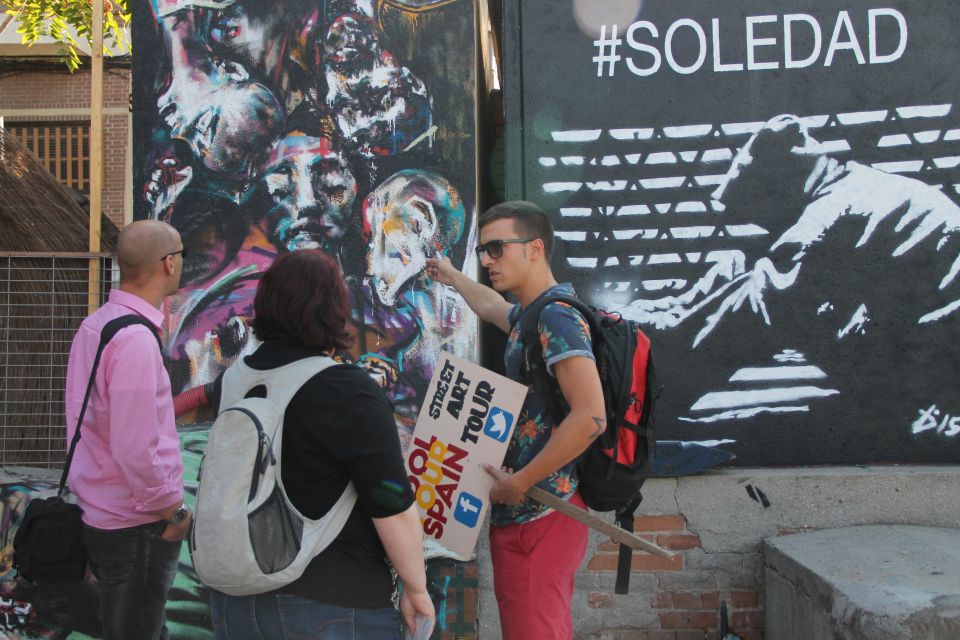
A major mid-walk highlight is La Tabacalera, the former tobacco factory area. The key here isn’t just that the building is dramatic—it’s that the walls are treated like open canvas for artists and communities.
You’ll walk in a zone where legal and semi-public street art can live alongside the edgeier underground vibe. That mix helps you understand why Madrid’s graffiti scene isn’t one-size-fits-all. You’ll also see how scale changes the experience: larger wall surfaces can shift a piece from personal message to neighborhood landmark.
This is also where the tour helps you look beyond the artwork itself. You’ll learn about free workshops connected with the scene—things like photography, dance, yoga, cycling, longboarding, and more. For you, that matters because it shows street art isn’t only about paint; it’s part of a wider creative community.
Practical note: La Tabacalera can be a busier visual zone, so expect stop-and-look moments where the guide asks you to focus on techniques, not just images. If you like slowing down and really seeing, this stop will be a favorite.
Calle Argumosa and Calle de Embajadores: Stencils, Stickers, and the Art of Small Clues
After La Tabacalera, you move back into street-level storytelling on the walk toward Calle Argumosa and Calle de Embajadores. This section is about details—the stuff your phone camera misses if you don’t pause.
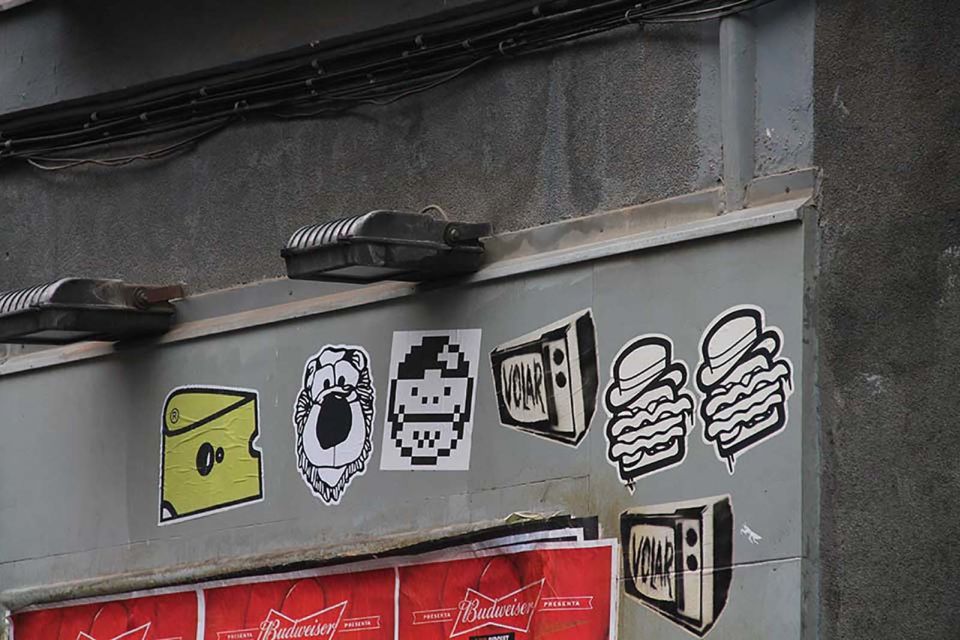
Stencil and sticker art often rewards a second look. You’ll start noticing repetition in styles, color patterns that link different artists, and how placement can be deliberate even when it looks spontaneous. That’s one reason this tour works for both first-timers and street-art regulars.
The guide also helps you understand how neighborhoods shape art. Streets here feel like part of the message. A mural can act like a landmark, but a tiny sticker can act like a signature. You’ll learn what to look for so you don’t end the walk thinking you only saw “some cool graffiti.”
Expect questions along the way, and a guide who keeps the pace friendly. Many groups describe the walk as relaxed enough to discuss what you’re seeing without feeling rushed.
Esta es una Plaza, Plaza del Sombrerete: The Big Mural Moment in Madrid’s Center District
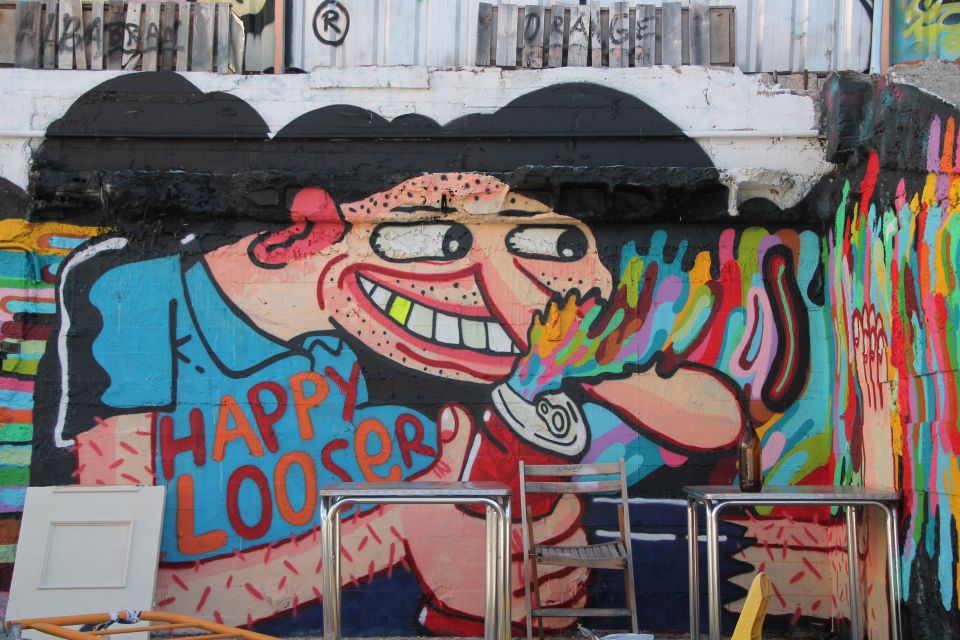
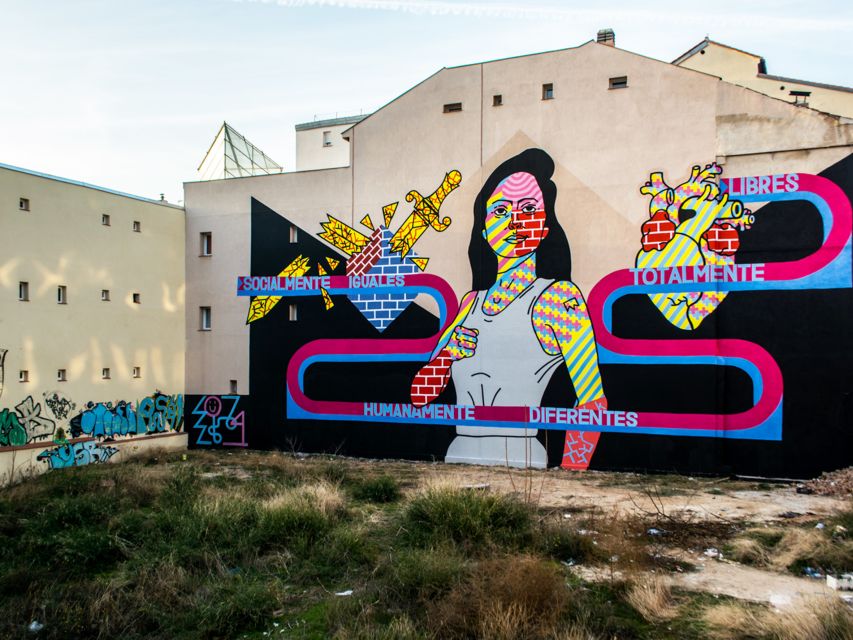
One of the tour’s headline stops is Esta es una Plaza, Plaza del Sombrerete. This is where you get a sense of how street art can become civic-scale—big enough to change how a plaza feels.
The highlight is the chance to see the biggest mural in Madrid’s Center District during this stop. Even if you’re not a hardcore graffiti fan, big-scale public work has a different impact. You read it from farther back, and that changes the way you notice composition, typography, and how the image interacts with the space around it.
For me, the value isn’t just the mural itself. It’s how the guide frames it in context—what makes it part of the neighborhood story, how veteran artists show up in the work, and why these walls attract attention over time. You’ll walk away with a stronger sense of how street art can shift from underground to widely recognized.
Also, plaza stops are where you can take a breather without falling behind the group. Bring your best “looking eyes” here; you’ll want a moment to study rather than sprint for photos.






Calle Sombrete and the Talent Pipeline: Veteran Artists Meets New Talent
The tour doesn’t freeze street art in time. You’ll also get a look at Calle Sombrete, tied to up-and-coming talents in the area. This part helps you see street art as a moving ecosystem, where new artists respond to older styles and carry them forward.
Some guides have strong connections in the scene and can point out the difference between veteran work and newer styles. In plain terms: you’re learning how to tell when something is an established voice versus a fresh one still finding its signature.
This stop also makes the whole experience feel grounded. It’s not a museum loop. It’s more like watching a local conversation in progress, with you walking from one “comment” to the next.
How the Guide Changes the Tour (and Why Names Like Hector Stand Out)
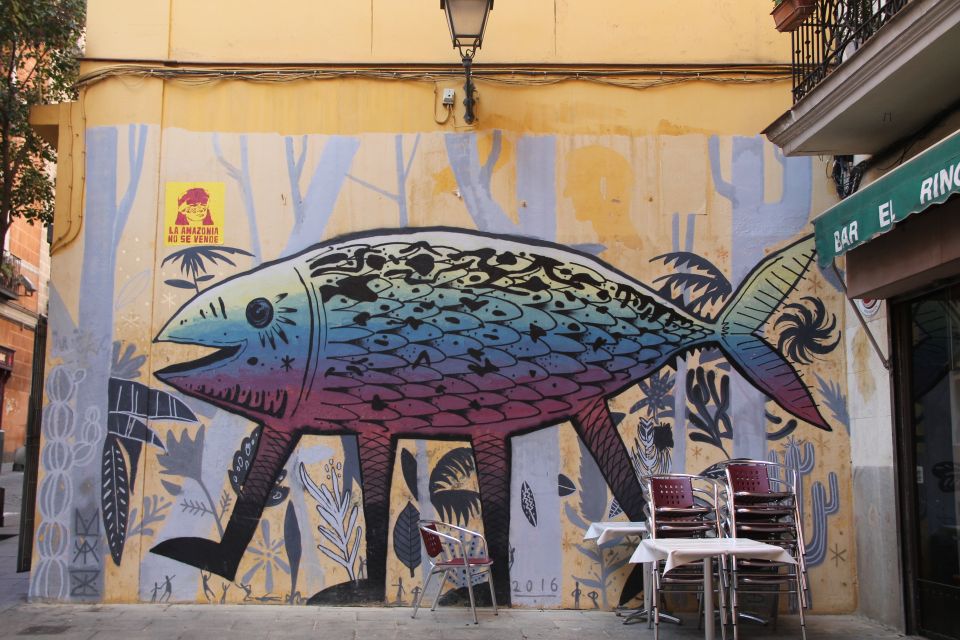
The guide quality is a big deal on street art tours, and this one tends to deliver. Many English-speaking guides here are deeply connected—some are street artists themselves, like Hector, who has been described as an accomplished street artist. That background changes how you hear the information: you get technique, not just facts.
You’ll notice it in the flow. Guides keep the tour interactive, ask questions, and pace the walk so you can keep up even if you wander a step for photos. More than one group noted how easy it was to follow the guide across the street, which matters when you’re learning on the move.
I’d also call out the “local community” tone. Several guides seem careful about how groups move through neighborhoods, which keeps the experience respectful. It’s a small detail, but it makes the whole tour feel better—less like trespassing, more like understanding.
And yes, there’s a real chance of surprise moments. Some groups have even chatted with artists during the tour, like seeing TeTous painting a mural and interacting briefly. You shouldn’t count on a specific artist appearance, but you can expect that the tour is timed and guided with real street-life awareness.
Timing, Walking Style, and What You Should Watch For
This is a 2-hour walking tour. That’s long enough to connect the dots across multiple neighborhoods, but short enough to stay lively. You’ll be on your feet, so you want a day plan that doesn’t depend on you sprinting afterward.
As you walk, keep an eye on how the guide points things out:
- Placement (where art sits and why that matters)
- Technique cues (stencil edges, sticker layering, paint style)
- Style evolution (how artists borrow and respond)
- Neighborhood context (how community space shapes the message)
You’ll also hear practical references to how events and collaborations support street art in Madrid. It’s not just culture talk. It helps you understand how this art form keeps moving and growing.
If you’re traveling with teenagers or you like discussion, this tour can work well. One thing that comes up a lot is that the guide can frame questions around ethics and community impact, not just aesthetics.
Price and Value: Why $29 Can Feel Like More Than a Walk
At $29 per person for about two hours, the value is mostly in what you’re paying for: interpretation. Street art is everywhere in Madrid, but random wandering can leave you with photos and no context.
Here you get:
- An English-speaking guide who explains what you’re seeing
- Access to key wall spaces like La Tabacalera
- A focused neighborhood route through Lavapiés, Embajadores, and La Latina
- Stops tied to standout works like Plaza del Sombrerete
That’s the key math. If you spend two hours “DIY walking,” you might see impressive art—but you won’t get the way the guide connects style, place, and underground culture. For the price, you’re buying a shortcut to understanding.
One small budgeting point: beverages aren’t included, so factor in a quick water stop. It’s not a deal-breaker, but it can help you stay comfortable.
Practical Tips Before You Go (So You Enjoy It, Not Endure It)
Bring passport or ID card (yes, it’s a walking tour, but this one asks for it). Also bring comfortable shoes—you’ll want support for the pavement and the frequent stops.
Since there are no beverages included, plan for hydration. Madrid can feel dry and warm even when it isn’t scorching, and street-art walking includes plenty of standing still to look.
If you’re sensitive to noise or crowding: the tour’s main areas include active neighborhoods and plaza spaces. The pacing is designed to keep things organized, but you’ll still be part of the neighborhood’s daily flow.
Wheelchair accessibility is listed as a feature, which is good to know if you need it. Just be aware that street-level routes can vary street to street, so it’s smart to come ready for uneven sidewalks.
Should You Book This Madrid Street Art Tour?
Book it if you want street art with context and you like walking tours that teach you how to see. This is especially strong for first-timers because the guide’s framing helps you move beyond “cool artwork” into “why this exists here.”
Skip it if you only want a quick highlights photo session and don’t care about explanation. Also, if you hate walking and standing still for visual details, the 2-hour pace may feel like work.
If your ideal day in Madrid includes neighborhoods like Lavapiés—where art, community, and everyday street life overlap—this tour is a very fair bet for your time and money. You’ll come away not just with pictures, but with a working street-art lens you can use the next time you see a stencil or sticker on a wall.
FAQ
What areas does the street art tour cover?
The tour covers the neighborhoods of Lavapiés, Embajadores, and La Latina in Madrid.
How long is the tour?
The tour lasts 2 hours.
How much does the tour cost?
The price is $29 per person.
Where do we meet?
Meet at the entrance of Teatro Valle Inclán, Calle de Valencia, 1, 28012 Madrid. The nearest metro station is Lavapiés.
Is the tour offered in English?
Yes. The guide is English-speaking and the tour is operated in English.
What should I bring?
Bring your passport or ID card and wear comfortable shoes.
Are beverages included?
No, beverages are not included.