REVIEW · MADRID
Madrid: Royal Collections Gallery Entry Ticket
Book on GetYourGuide →Operated by GetYourGuide Tours & Tickets GmbH · Bookable on GetYourGuide
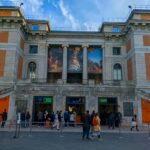
Five centuries of Spain in one ticket. The Royal Collections Gallery sits by the Royal Palace, and it turns royal art into a clear, story-driven walk. I especially liked how Velázquez and Goya show up in a setting built for art you can actually take in.
My second favorite part was the building’s design and tech: ramps with videos guide you as you go top to bottom, and the 360º projection cube helps you connect paintings and sculpture to the real royal sites of Spain. One thing to plan for: the ticket does not include an audioguide, so if you love spoken explanations, you’ll be doing more reading from signs and screens (or you might rent one on-site if available).
In This Review
- Key highlights to look for
- Royal Collections Gallery: an art museum built around the Spanish monarchy
- The collection you’ll actually see: famous painters plus the court’s “everyday” art
- Following the ramp route: how to plan your time without getting lost
- Monument stories in models and videos: El Escorial and La Granja
- The 360º projection cube: seeing royal sites beyond paintings
- Temporary exhibitions at the end: your chance to go deeper (or just refresh)
- Getting there around Ópera and Príncipe Pío
- Price and value: why $21 can feel like a lot (or not)
- Best for who? (and when this ticket may disappoint)
- Should you book this Royal Collections Gallery entry ticket?
- FAQ
- What is included with the Royal Collections Gallery entry ticket?
- How long can I spend there with a 1-day ticket?
- Is an audioguide included in the ticket price?
- What should I bring, and what can’t I bring inside?
- What are the opening hours?
- Is this ticket refundable if my plans change?
- How do I get to the museum using public transport?
Key highlights to look for
- 650-piece royal collection across five centuries, including major painters and decorative arts
- Start high, move downward on ramps with context videos that make the chronology easier
- A “monument-building” learning layer with models and video about places like El Escorial and La Granja
- The 360º projection cube room for architectural and natural royal-site visuals
- Temporary exhibitions at both the middle and end of the route, so you won’t just see permanent galleries
Royal Collections Gallery: an art museum built around the Spanish monarchy
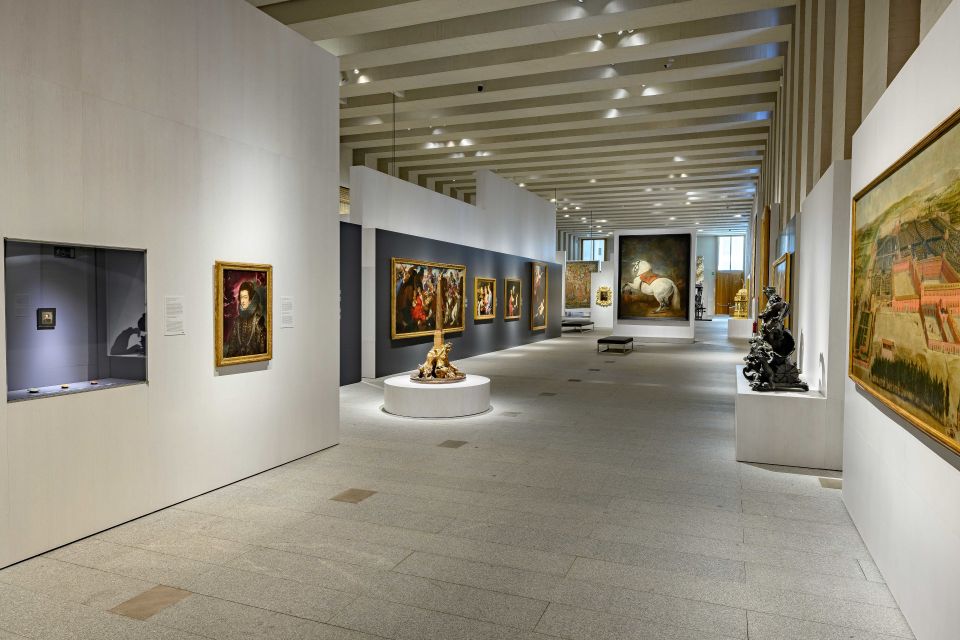
If you’ve ever visited Madrid and thought, I’d like to understand the monarchy’s impact beyond statues and portraits, this museum is a practical answer. The Royal Collections Gallery is designed as one continuous experience. You start on the top floor, then work your way down following ramps that connect artworks to the people and power that collected, commissioned, and built.
I liked that the museum keeps the focus on Spanish monarchy-era culture without turning it into a dry lecture. The collection covers five centuries, and that time span matters here because you can see how artistic taste, building styles, and court life shifted over the years. With 650 pieces covering paintings, sculptures, tapestries, furniture, and decorative arts, you get variety fast instead of waiting until the last room.
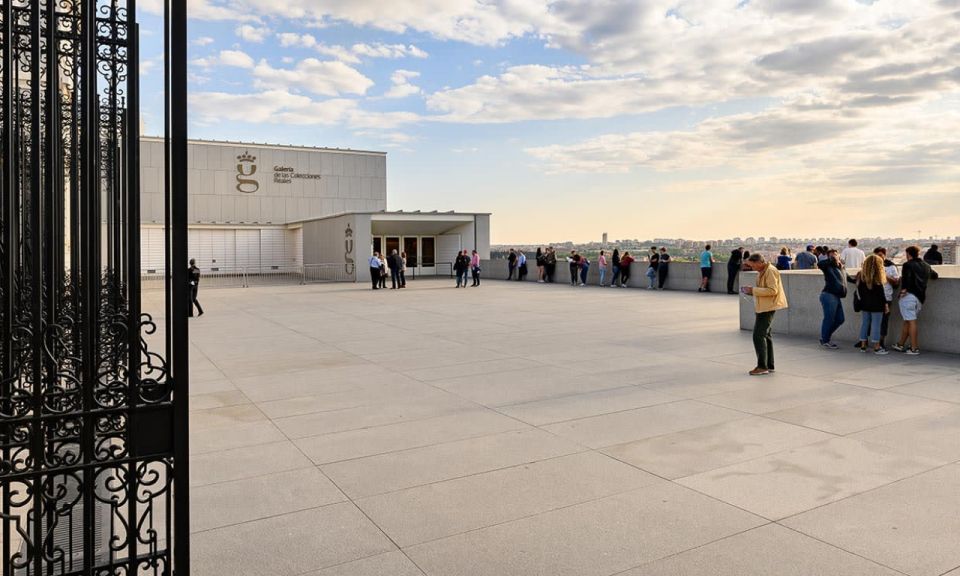
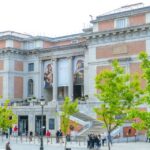
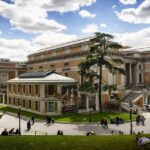
The museum also feels intentionally placed next to the Royal Palace of Madrid. Even if you only have a day, being in this “royal zone” helps you connect dots between what you see inside the gallery and what you see outside.
You can also read our reviews of more tours and experiences in Madrid


The collection you’ll actually see: famous painters plus the court’s “everyday” art
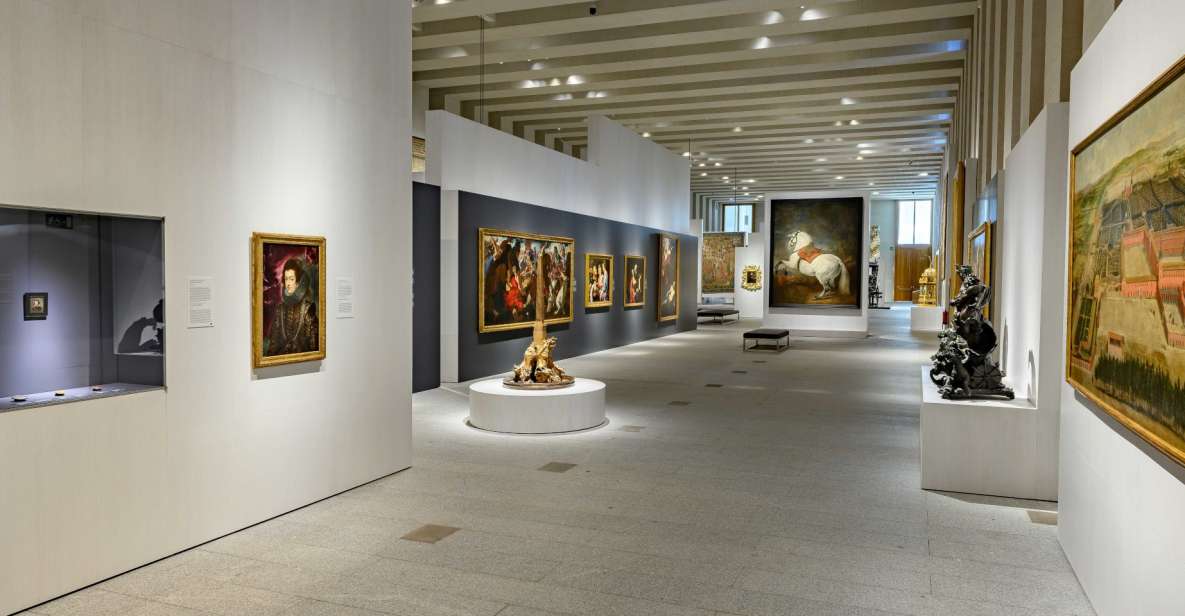
The names alone make this ticket tempting: Velázquez, Caravaggio, Goya, Titian, Bosch, Luisa Roldán, and El Greco are all part of the collection. What I found more useful than the celebrity names is that the museum mixes genres. Yes, you’ll see high-impact painting and sculpture, but you’ll also run into tapestries, furniture, and decorative arts that explain how the court surrounded itself with beauty.
Here’s the practical way to use that variety. Don’t try to “finish everything.” Instead, pick a loose goal for the day. For example:
- If you’re drawn to painters, prioritize the rooms where those artists show up and then come back later for decorative arts.
- If you like craftsmanship, give extra time to tapestries, furniture, and the decorative objects, because those can explain court culture in a more tactile way than paintings alone.
The museum’s layout helps you do that, because you move through it in one downward flow rather than wandering room to room. That matters if you want to see a lot but still feel in control of your time.
Following the ramp route: how to plan your time without getting lost
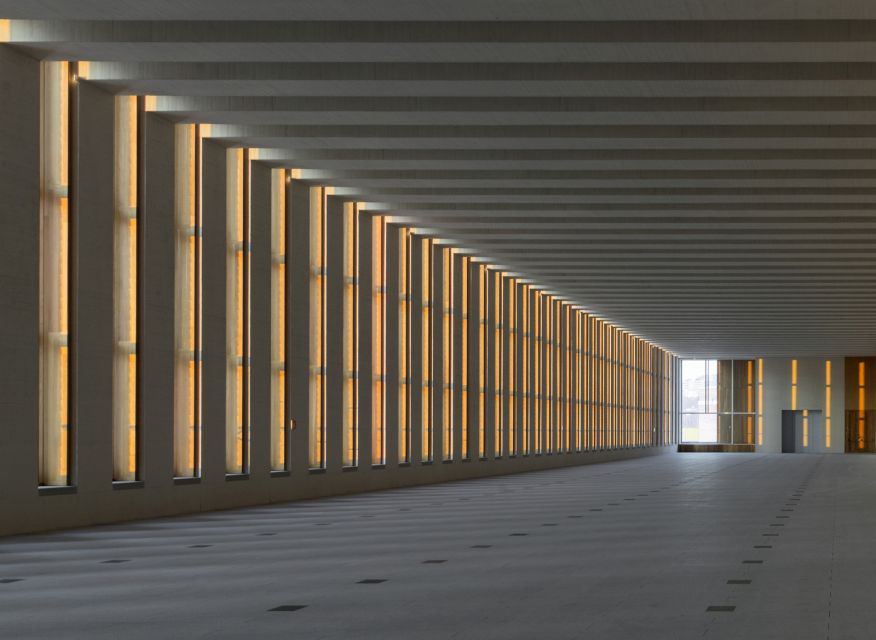
One of the best things about this museum is how it structures your movement. You begin on the top floor, then continue downwards along ramps. Along the way, you’ll meet different videos and contextual material that clarify what you’re looking at as the centuries pass.
I like this approach because it solves a common museum problem: you walk into a room, see masterpieces, and then realize later you didn’t understand the story you were meant to pick up. The ramp + video setup gives you the missing link. You don’t need to be an art historian to follow what’s going on.
Still, a quick caution: the museum covers a lot, and five centuries of content can feel heavy if you try to read everything at full speed. My suggestion is to slow down for the big moments—major artists, standout sculpture, and the rooms tied to monument history—then skim the smaller labels. You’ll get more enjoyment from the flow than from trying to absorb every fact.
There’s also a temporary exhibition room during your route. Plan for a brief pause there so you don’t end up rushing only to realize you’ve missed the fresh stuff.
Monument stories in models and videos: El Escorial and La Granja
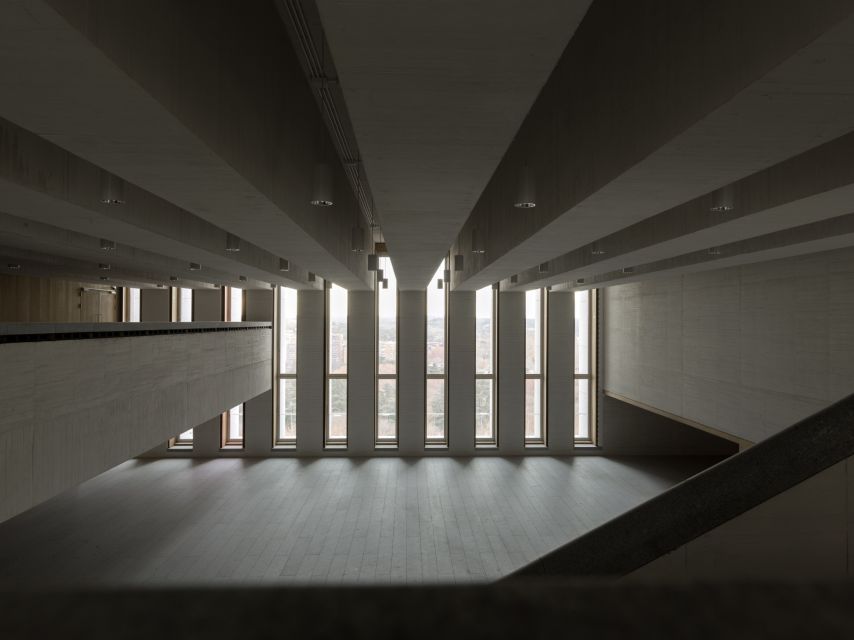
This is the part that makes the Royal Collections Gallery feel more than a standard art museum. You’ll find educational content about the construction and meaning of major monuments, including the Monastery of El Escorial and the Palace of La Granja.
What makes this useful is the mix of learning tools:
- videos that explain the “how” and “why” of royal building projects
- models you can study more carefully than a single photo
- didactic resources that connect architecture to the broader royal story
If you plan to visit other sites in Madrid, this section gives helpful context. Seeing how royal priorities show up in buildings makes later visits click. You’ll also appreciate why the court invested in design, materials, and long-term construction—things that can feel abstract until you see them framed this way.
The 360º projection cube: seeing royal sites beyond paintings
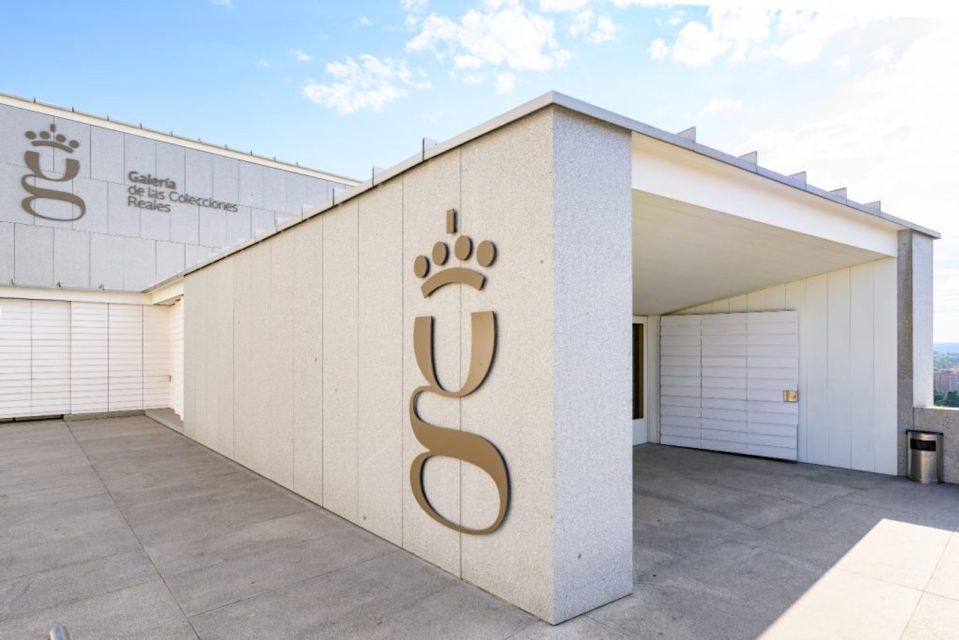
After you’ve spent time with art and monument history, you’ll reach the museum’s large 360º projection cube. This is where the experience becomes visual in a different way: you get surrounding projections of architectural and natural spaces of the Royal Sites.
I found this valuable because it turns “place” into something you can understand quickly. Paintings and sculpture show you moments and symbols. The cube helps you imagine scale and setting. Even if you don’t memorize every detail, you leave with a mental map of where these royal sites sit and what their environments feel like.
Practical tip: in a projection room, the temptation is to watch like you’re at a movie. Do both. Watch first for atmosphere, then look for cues that connect back to what you saw in the collection. That’s how the cube stops being entertainment and becomes part of the museum’s story.
You can also read our reviews of more museum experiences in Madrid
Temporary exhibitions at the end: your chance to go deeper (or just refresh)
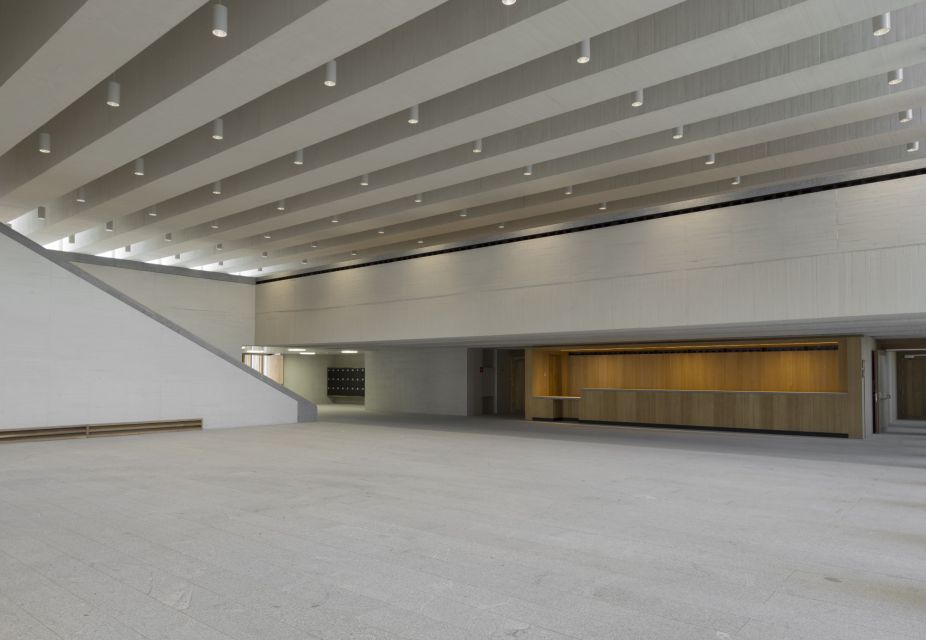
Your visit finishes at a spacious temporary exhibition gallery. That’s a smart move in the museum design because it gives your brain a landing zone. By the time you reach the end, you’ve already absorbed the permanent collection’s big themes, so the temporary show feels like an extension rather than a distraction.
You also get a chance to adjust your pace. If you want a more relaxed ending, this is where you can slow down, re-read a few labels, and focus on fewer pieces with more attention. If you want maximum learning, use it to compare what the temporary display is emphasizing against what you saw earlier in the permanent route.
And when you’re ready for a break, there’s a café and a shop inside the museum area. I consider that part of the value: it keeps you from having to sprint across the city right after you finish. Recharge, then continue exploring Madrid whenever your energy returns.
Getting there around Ópera and Príncipe Pío

This museum is easy to reach because you have multiple public transport options.
- Subway: Lines 5 and 2, stop at Ópera
- Cercanías (commuter rail): Príncipe Pío Station
- Bus: Lines 3, 25, 39, and 148
If you’re starting your day near central sights, Ópera is often the simplest anchor point. If you’re staying closer to the west side of the center, Príncipe Pío can be more convenient. Either way, plan to arrive a bit early so you’re not rushing the first floors.
Price and value: why $21 can feel like a lot (or not)
At about $21 per person for a one-day ticket, you’re paying for access to a big collection plus the museum’s temporary exhibitions and the key visual experiences like the 360º projection cube.
Here’s why that price can feel like good value:
- You’re not just buying entry to paintings. The museum includes tapestries, sculptures, furniture, and decorative arts, so you get variety across a large number of works (650 pieces).
- The monument-building learning component adds a second layer beyond art appreciation.
- The temporary exhibition access means your ticket supports more than the permanent galleries.
Where price can feel less worth it is if you’re expecting the museum to do the narration for you. An audioguide is not included, so if spoken guidance is your favorite way to experience museums, you’ll need to adapt (read signage, watch videos closely, or consider an audioguide rental if offered on-site).
Best for who? (and when this ticket may disappoint)
This ticket is a strong fit if you:
- like art but also want context about who collected it and why
- enjoy learning through visuals like models, videos, and the 360º cube
- want a one-day plan near the Royal Palace area
It may disappoint you if:
- you want only the most famous masterpieces with minimal context reading, because the museum is built as a guided story across centuries
- you rely on an audioguide experience and don’t want to spend time reading labels or screen text
Should you book this Royal Collections Gallery entry ticket?
Yes, you should book it if you’re in Madrid for a day or two and want a museum that connects major artists with the royal buildings and court culture that shaped them. The route from top to bottom, the video-supported ramps, and the 360º projection cube make it easier to understand than many “see everything” art stops.
If you’re on the fence, use this decision rule: book it when you want both art and explanation. Skip it when you prefer a museum where you can float freely without any built-in timeline or monument context.
FAQ
What is included with the Royal Collections Gallery entry ticket?
Your ticket includes entry to the Royal Collections Gallery and access to temporary exhibitions inside the museum.
How long can I spend there with a 1-day ticket?
The ticket is valid for 1 day. You’ll also be allowed access until 45 minutes before closing time, so plan to arrive with enough time to complete the route comfortably.
Is an audioguide included in the ticket price?
No. An audioguide is not included with the ticket.
What should I bring, and what can’t I bring inside?
Bring a jacket. Luggage or large bags are not allowed. Pets are not allowed (assistance dogs are allowed), and flash photography is not allowed.
What are the opening hours?
Monday to Saturday: 10:00 AM to 8:00 PM. Sundays and holidays: 10:00 AM to 7:00 PM.
Is this ticket refundable if my plans change?
No. The cancellation policy says the activity is non-refundable.
How do I get to the museum using public transport?
You can use the subway lines 5 and 2 to Ópera station, or Cercanías to Príncipe Pío Station. Buses include lines 3, 25, 39, and 148.