REVIEW · MADRID
Private Madrid City Tour | Regular Bike/E-Bike | Groups from 32€
Book on Viator →Operated by Bravo Bike · Bookable on Viator
You can cover a lot of Madrid fast on two wheels. This private ride gives you route freedom with a choice of regular bikes or e-bikes, plus a guide who keeps the stops moving with Spain stories. I love that you get a real 3-hour cycling block with a safety briefing and test ride, and I also love the way your guide can steer you toward the neighborhoods you care about most. One heads-up: the tour depends on the day’s city flow, so you may see route tweaks if streets are affected.
If you want a guided way to get your bearings without bouncing between taxi rides, this is a solid option. You’re looking at central neighborhoods like Lavapiés and Retiro, with a good chance of time around big landmarks near the Royal Palace and the Cathedral area. The only real drawback I see is bike quality can be mixed, so it’s worth checking the bike before you roll and speaking up right away if anything feels off.
In This Review
- Key Points I’d Plan Around
- Why Bike Madrid Makes Sense in About 3 Hours
- Price and Value: What You’re Really Paying For
- Bravo Bike Setup: Where You Meet and How the Ride Starts
- Regular Bike vs E-Bike: How It Changes the Experience
- Stop 1: Bravo Bike Ride Through Lavapiés, the Manzanares Path, and a Café Break
- Stop 2: How the Route Lands Near Royal Palace, Cathedral, Salamanca, Malasaña, and Retiro
- What the Guide Actually Adds (And Why It Feels Easier Than Self-Guided)
- The Cycling Reality: Fitness, Weather, and City Stops
- Who This Tour Fits Best (And Who Might Want a Different Plan)
- Should You Book This Madrid Bike Tour?
- FAQ
- How long is the private Madrid city tour?
- Is this tour by regular bike or e-bike?
- Is the tour private?
- Where does the tour start and end?
- Do I need a certain fitness level?
- Are helmets required?
- Can I cancel for a refund?
Key Points I’d Plan Around
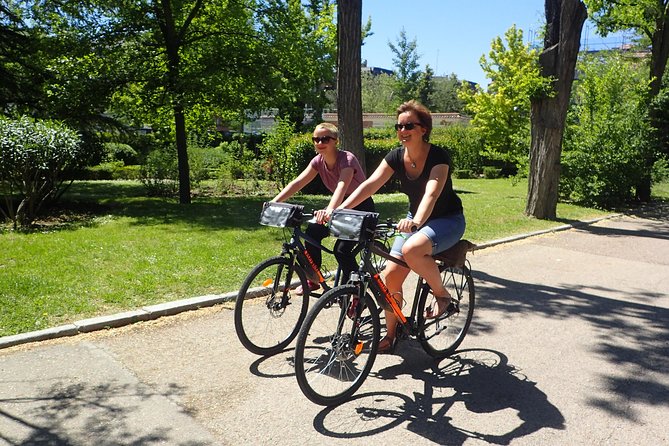
- Private, adjustable route: your guide shapes the plan based on what you’ve already seen and what you want next
- Regular bike or e-bike option: easier effort without losing the street-level feel
- Smart stop mix: neighborhoods, public space like the Manzanares area, and a café break
- Guide-led history talk while riding: you get context without long museum time
- Short logistics, long riding: test ride, safety briefing, then a focused 3-hour cycle
- Route can shift: street closures or events can change what you cover
Why Bike Madrid Makes Sense in About 3 Hours
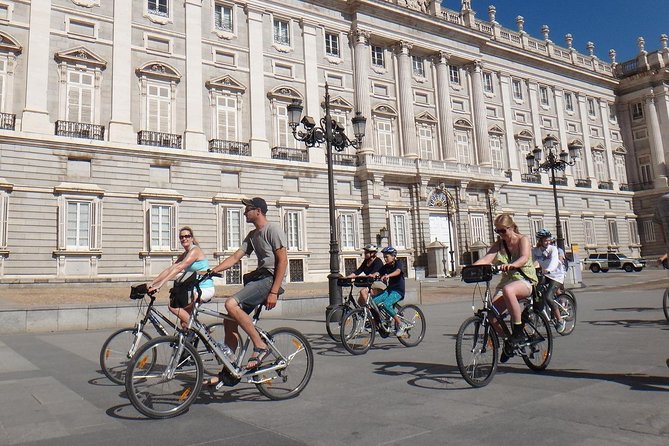
Madrid is a city you can feel with your feet… but that takes time. This tour is built for the “I have limited time” reality. In roughly three hours, you get guided movement through parts of town that are hard to string together efficiently with public transport and walking.
The big value here is not just speed. It’s the combination of guided storytelling and city geography. When you pedal from area to area, you start to understand how Madrid is laid out—where the lively neighborhoods sit, where the green space breathes in, and why certain streets and districts feel different from each other. That mental map is useful even after the tour ends.
This also works well when your group has different travel styles. One person might want more landmarks; another might want cafés, parks, and modern neighborhoods. Because the tour is private and customizable, the guide can adapt. You’re not stuck in a rigid “everyone does the same thing” cycle.
Do note one practical point: it’s described as a 3-hour uninterrupted bicycling tour, with an optional pause for refreshments. That means you’re not hopping on and off every few minutes. If you love constant stops, you might find it a bit “on the move.” If you like efficient sightseeing, you’ll probably enjoy the flow.
You can also read our reviews of more cycling tours in Madrid


Price and Value: What You’re Really Paying For
The posted price is about $48.79 per person for a 3-hour private tour experience. That number feels reasonable once you break down what’s included.
You’re not paying just for a guide. You get:
- a regular multi-speed bike or e-bike rental
- a handlebar bag for personal items
- a test ride and safety briefing before you go
- helmets optional for adults (and required for children up to 16)
- multilingual guide support
- fees and taxes
- safe storage for items of value and luggage at the supplier’s premises (so you don’t have to carry everything)
In other words, you’re paying for transportation that’s part of the sightseeing. You’re also paying for someone else to plan the route in a way that makes sense for time and interest. In Madrid, that planning matters. Even with a good map, you can waste energy zigzagging across districts.
The other value angle: e-bikes. If your fitness level is moderate (the tour says moderate physical fitness), the option to switch to an e-bike can turn the ride from “workout” into “easy city glide.” That’s a real quality-of-life upgrade.
Bravo Bike Setup: Where You Meet and How the Ride Starts
The meeting point is at Bravo Bike, C. de Juan Álvarez Mendizábal, 19 (Moncloa – Aravaca area), and you end back there. Having the same start and end point is simple. No “meet here, drop off there” stress.
Before you set off, there’s usually a test ride and safety briefing. That matters more than it sounds. In city cycling, the first five minutes can make or break the experience. A quick fit check plus helmet guidance (especially for children) helps you feel in control immediately.
You’ll also need to provide your height when booking so the bike size can be selected. That’s one of those small details that actually improves everything—your balance, your comfort, and whether the ride feels natural rather than awkward.
One more practical touch: the operator says items of value and luggage may be stored safely at their premises. That’s useful if you’re traveling with a bag you don’t want to carry. Still, cycle at your own risk and insurance is recommended, so don’t treat this like a guaranteed safety bubble.
Also, the tour runs in all weather. So if rain is in the forecast, wear something that won’t turn your ride into a slippery test.
Regular Bike vs E-Bike: How It Changes the Experience
You can choose either a regular multi-speed bike or an e-bike upgrade. The difference is simple: how hard you have to work.
On a regular bike, you’ll feel the hills and distance. Madrid has stretches that are flat enough for an enjoyable ride, but “easy” depends on your comfort level. On an e-bike, you’re still cycling, but you spend less energy fighting every change in pace. It lets you focus on the sights and the guide’s commentary.
The tour is described as a roughly 3-hour ride with about 10 miles mentioned in one experience. That’s a good distance for most people if you’re comfortable riding a bike in traffic. If you’re not, the e-bike option can be the difference between “I’m happy” and “I’m white-knuckling the handlebars.”
One thing I appreciate: helmets are optional for adults. That means the bike choice isn’t tied to a strict equipment vibe, but children up to 16 require helmets. If you’re traveling with kids, that’s reassuring.
If you want my practical advice: don’t wait until you feel tired to think about the bike choice. You’ll enjoy the ride more when your effort matches your comfort, so pick the bike that lets you stay relaxed enough to listen and look.
Stop 1: Bravo Bike Ride Through Lavapiés, the Manzanares Path, and a Café Break
This first phase is where you start connecting neighborhoods to landmarks and street life. The plan can be adjusted based on your group, but there are two standout themes: Lavapiés and the area around the Manzanares River path.
Lavapiés is known for its local edge—lively streets, a mix of cultures, and a feeling that Madrid is doing something more than just posing for photos. It’s also a district that’s been labeled as especially cool in local media, which fits the vibe you’ll likely sense as you roll through. On this tour, it’s not just a drive-by. You pass through enough to get the rhythm of the neighborhood.
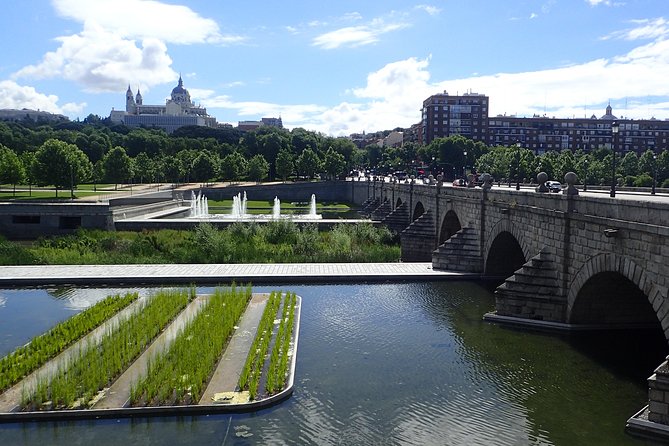
Then there’s the Manzanares River path, described as a newer public pathway (built about a decade ago). That matters because it’s a change of scenery. You’re not just cycling among buildings and traffic noise. You get a more open feeling, and it’s a nice contrast after the city streets.
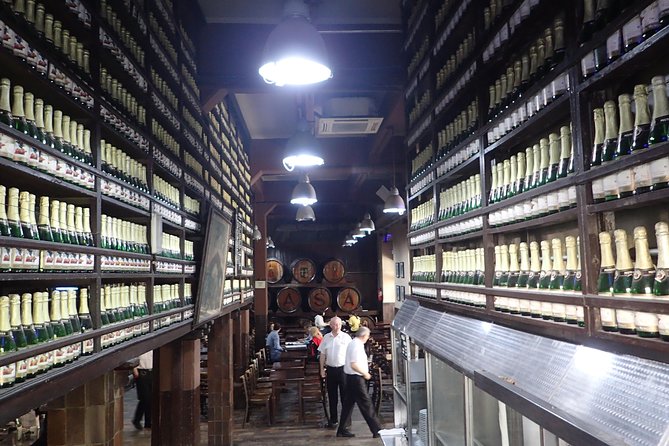
During this part of the tour, you’ll also stop in one of the guide’s favorite Spanish cafés. That rest is part of the experience. One optionality note: the tour description says pauses for refreshments are optional, but the café stop is clearly part of the first segment. Either way, plan on a short break so you don’t feel like you’re pushing through the ride on empty.
A minor detail you should keep in mind: the guide can adapt depending on what you’ve already seen. So if you’ve done Lavapiés already, you may still get the area, but you might spend more time on other zones. That’s where the privacy really helps.
You can also read our reviews of more city tours in Madrid





Stop 2: How the Route Lands Near Royal Palace, Cathedral, Salamanca, Malasaña, and Retiro
The second portion is more flexible—think of it as the “main city hits” block. The ride still depends on your group, but it often includes a mix of central sights and neighborhoods.
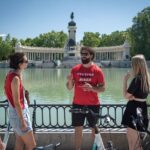
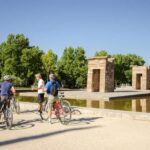
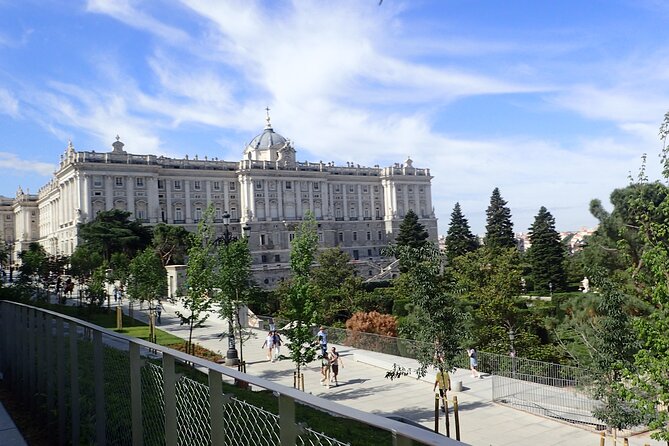
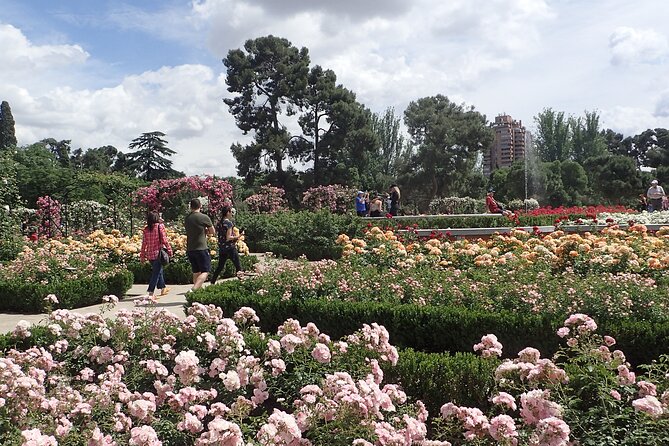
From real examples, you should expect a strong chance of time near major landmark areas such as the Royal Palace and the Cathedral area. You’ll also likely pass through neighborhoods like Salamanca and Malasaña, and then end up around Retiro Park.
Why this mix works: it gives you both classic and modern Madrid flavors in a compressed timeline. Royal Palace / Cathedral territory helps you understand the historic weight of the city. Salamanca offers a more polished, elegant contrast. Malasaña tends to feel more youthful and gritty in a good way. And Retiro is your chance to breathe and reset before the tour winds down.
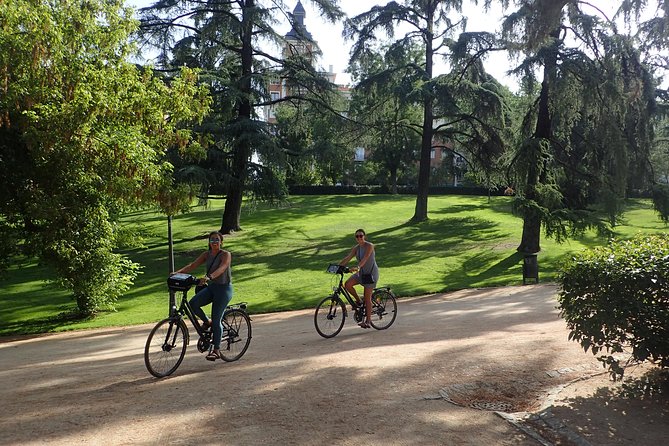
Retiro Park also provides a practical benefit. Parks create smoother cycling segments and give your brain a “pause.” You’re not staring at the city at full attention for three straight hours. That matters if you want to actually remember what you saw.
One more useful thing: because the guide can customize your ending point for an extra charge, you might be able to shape the rest of your day. That’s handy if you’d rather continue walking from a park or near a landmark instead of heading back immediately.
One reality check: Madrid streets can change fast due to demonstrations or local events. In one experience, routes were modified and some points were skipped because of protests near city hall areas. The takeaway for you is simple: keep expectations flexible. The best mindset is to treat this as a guided ride, not a guarantee of every single stop.
What the Guide Actually Adds (And Why It Feels Easier Than Self-Guided)
If you’ve ever tried to do Madrid by yourself with a phone map, you know the problem. You can find sights, but you can miss the “why does this place feel like this” part. A good guide fixes that.
Here, the guide’s role is built into the ride. You get commentary on Madrid history and culture while you’re moving through neighborhoods. The tone described includes both serious context and lighter stories—stories about kings and queens, plus modern history that helps you connect the past to what you’re seeing now.
Two named guides appear in recent experiences: Álvaro and Sebastian. Both are described as making the ride fun and safe, while giving historical context tied to what you pass.
That is what turns a bike tour from transportation into a learning experience. And it’s also why I like this kind of tour for first or second-day visits. You’re not trying to memorize facts. You’re building a mental model.
The Cycling Reality: Fitness, Weather, and City Stops
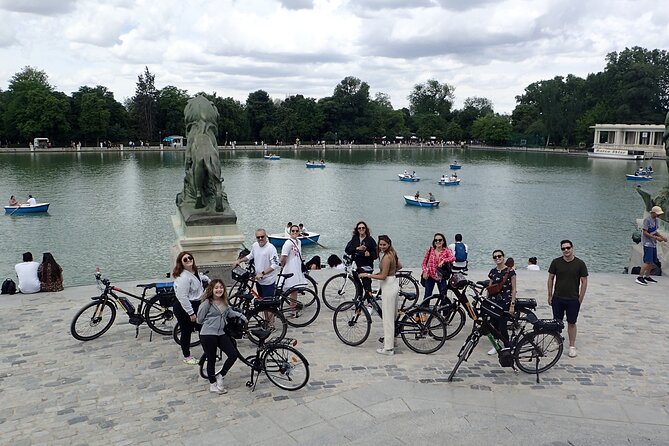
This is a bike tour with a moderate physical fitness requirement. That’s not “athlete only.” It’s “you should be comfortable riding and staying steady for a few hours.” If you’ve ridden a bike before in traffic, you’ll probably feel at home. If not, an e-bike can reduce stress, but you still need balance and focus.
Weather matters too. The tour operates in all weather, so you should dress for Madrid conditions. In rain or wind, city cycling is harder. Bring layers and something that keeps you comfortable for the duration.
Helmets: optional for adults, required for children up to 16. There’s also an “at your own risk” note and insurance is recommended. So if you’re traveling with expensive gear, use the storage option for luggage if available and keep essentials in the handlebar bag.
One last detail that I think is worth highlighting: the operator discourages taking cycling tours right after long-haul flights. Jet lag plus traffic plus movement is a rough combo. If you land and you’re still dragging, consider switching the tour to a later day.
Who This Tour Fits Best (And Who Might Want a Different Plan)
This private bike tour is a good fit if:
- you want a guided overview in about three hours
- you like mixing neighborhoods, not just hitting monuments
- your group has different interests, and you want flexibility
- you want an easier way to move without giving up the street-level experience
- you’d benefit from an e-bike option
It’s less ideal if:
- you need very frequent stops for resting
- you’re uncomfortable cycling in an urban setting
- bike quality issues would ruin your day (there’s at least one report of bike quality not being great)
- you’re looking for a museum-style deep dive with long indoor time (this is a ride-first tour)
If you’re a solo traveler, it’s still private in the sense that only your group participates. If you’re traveling with friends or family, the customizing feature is a big deal. If someone in your group is more landmarks-focused and another person is more neighborhood-focused, the guide can usually balance it.
Should You Book This Madrid Bike Tour?
I’d book this if you’re looking for a smart first overview of Madrid that doesn’t swallow your whole day. The value is strong because you get bike rental, a safety setup, guide commentary, and a structured ride that typically covers neighborhoods like Lavapiés, plus options near big landmarks and Retiro Park.
Choose the e-bike if you want to spend more mental energy on sights and stories, not on leg fatigue. Choose the regular bike if you’re comfortable and want a more “pure cycling” feel.
I’d also book with flexibility. The city can affect routes, and bike quality can be inconsistent. Still, the overall rating is very high, and the guide experience is consistently described as making the ride safe and fun, with smart history context.
If you want a fast, friendly way to connect Madrid’s neighborhoods in one go, this private bike tour is a practical win.
FAQ
How long is the private Madrid city tour?
It’s about 3 hours and 5 minutes (approx.).
Is this tour by regular bike or e-bike?
You can ride a regular multi-speed bike, and you can upgrade to an e-bike rental.
Is the tour private?
Yes. Only your group participates.
Where does the tour start and end?
It starts at Bravo Bike on C. de Juan Álvarez Mendizábal, 19, in the Moncloa – Aravaca area of Madrid, and it ends back at the meeting point.
Do I need a certain fitness level?
The tour is listed for travelers with a moderate physical fitness level.
Are helmets required?
Helmets are optional for adults, but children up to age 16 must wear helmets.
Can I cancel for a refund?
Yes. You can cancel up to 24 hours in advance for a full refund.