REVIEW · MADRID
Madrid: Paella and Sangria Workshop in the City Center
Book on GetYourGuide →Operated by Travel Vibes Agency · Bookable on GetYourGuide
Paella and sangria lessons beat restaurant meals. In the heart of Madrid, I like the fact that you cook with a local chef, get unlimited sangria while you work, and leave with recipes you can actually use later. Hosts such as Cristal and chef Iván (and often Miguel or Dani, depending on your group) keep the vibe relaxed and social, not stiff or lecture-y.
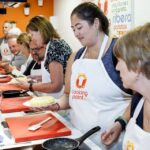
I also love how the class stays hands-on. You’re not just watching: you chop, pour, and stir as the guides explain the history and the logic behind the ingredients, then you sit down together and eat what you helped make. The structure is simple and friendly, and even solo diners say it’s easy to get involved.
One consideration: the paella is always made with chicken and seafood by default. Vegetarian and allergy options are available, but you need to message in advance so the kitchen can plan for you.
In This Review
- Key things that make this workshop worth it
- Finding the studio near Bon Vivant Tattoo (and getting oriented fast)
- The 3-hour flow: sangria first, then paella step by step
- Unlimited sangria mixing: the skill you’ll use again at home
- The paella lesson that actually explains the ingredients
- What you should expect in your paella
- Vegetarian and allergy options
- Sitting down to what you cooked (and why the shared meal matters)
- Learn a real skill, not just a recipe card
- Who this workshop fits best in Madrid
- Price and value: is $69 a fair deal for 3 hours?
- Should you book this paella and sangria workshop in Madrid?
- FAQ
- Is there a lot of cooking involved, or is it mostly watching?
- What’s included in the price?
- How long is the workshop?
- Do I need any prior cooking experience?
- Do you offer vegetarian or allergy options?
- Where do I meet the host?
Key things that make this workshop worth it
- Unlimited sangria (or soft drinks) while you cook, so it feels like a night out as much as a class
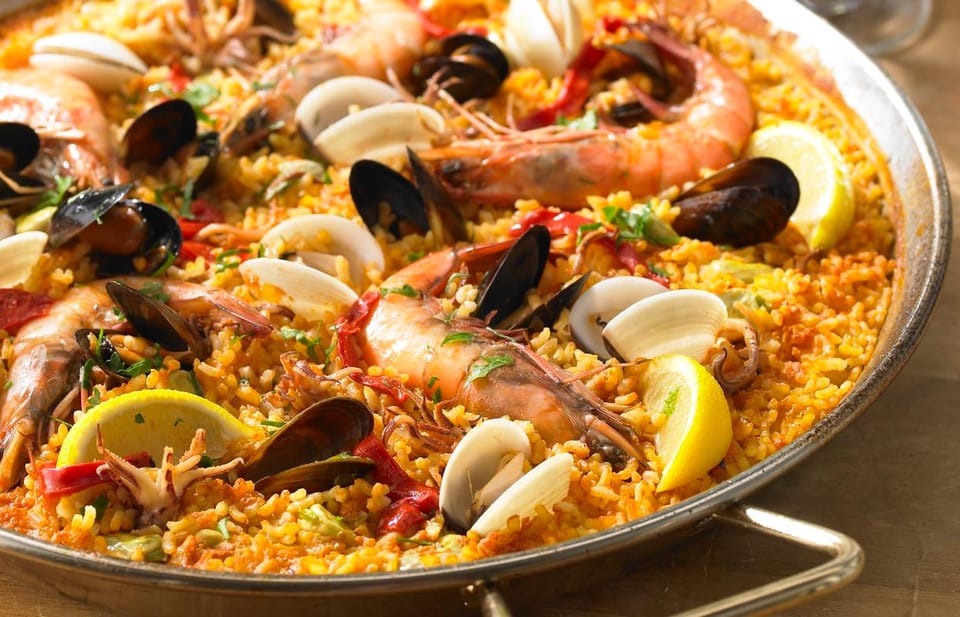
- Hands-on paella technique using a traditional paella pan, not a random shortcut recipe
- History + ingredient breakdown so you understand what each component does to flavor and texture
- English/Spanish support with guides like Cristal, Miguel, Dani, Lila, Anabel, and Iván keeping groups moving
- Take-home recipes that help you recreate the dishes at home, not just “collect memories”
- Central meeting point outside the Bon Vivant tattoo studio on Calle de la Montera, easy to find
Finding the studio near Bon Vivant Tattoo (and getting oriented fast)
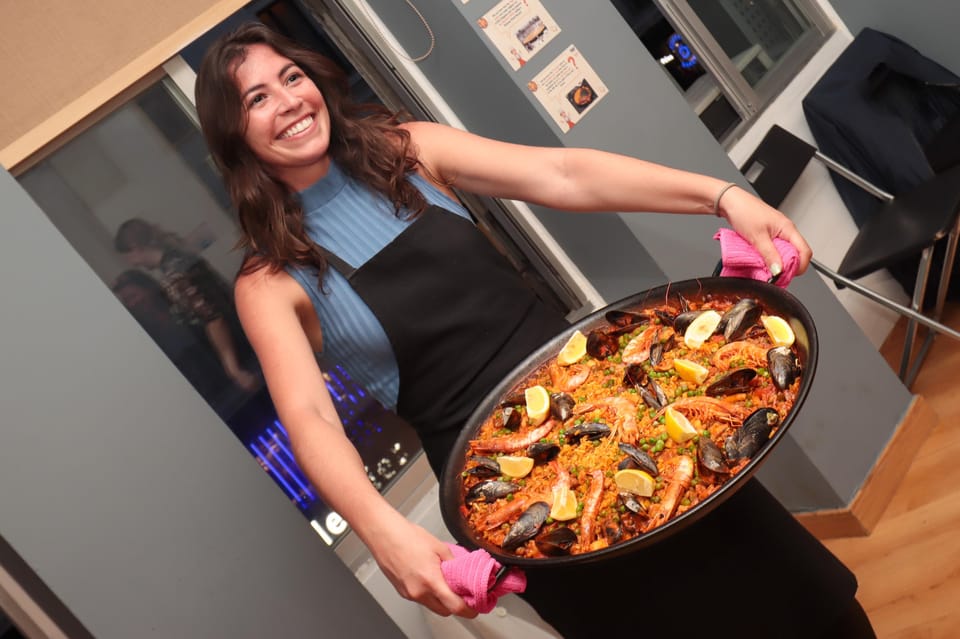
This is the kind of Madrid activity that starts smoothly. Your host waits outside the building right by the tattoo shop called Bon Vivant, on Calle de la Montera, 24. Once everyone gathers, you go together up to the cooking space.
That small detail matters more than it sounds. When a workshop has a clear meeting point and a coordinated group walk, you spend less time hunting around the city center and more time actually cooking.
I also like that the start feels organized but not uptight. The host is there in person, and the group moves together, which helps if you’re traveling alone or you don’t speak much Spanish.
You can also read our reviews of more city tours in Madrid



The 3-hour flow: sangria first, then paella step by step
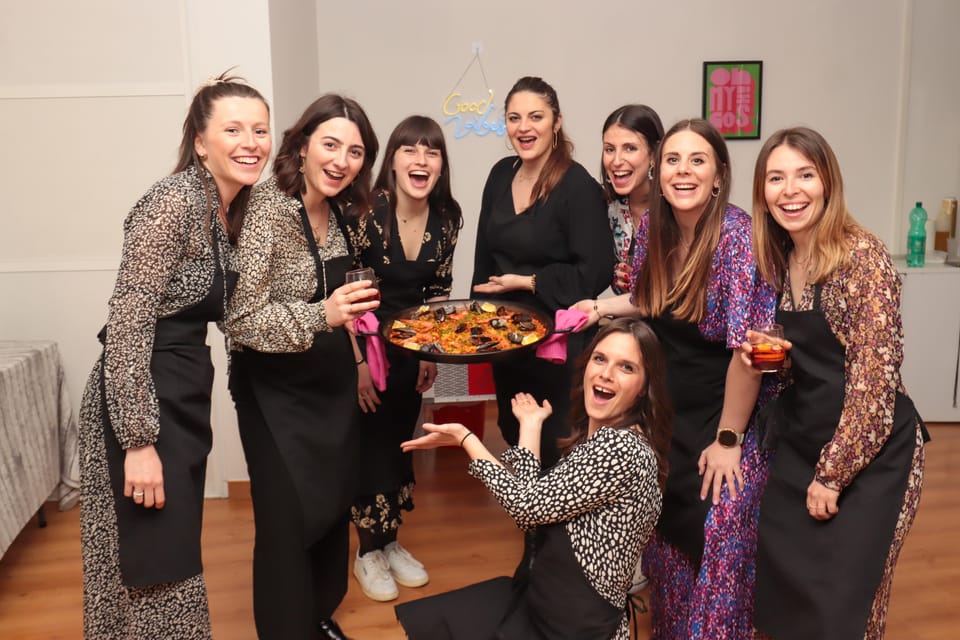
The rhythm is built around two signature Spanish classics: sangria and paella. First you focus on a sangria workshop, starting with mixing and learning what makes it taste balanced and refreshing. After that comes the paella lesson, where the chef walks you through ingredients and technique as you prepare the dish together.
The sangria part is meant to be approachable. You get the idea fast: the goal isn’t to make it overly fancy, it’s to create a drink with good balance. Then you carry that energy into the paella work, where you learn what goes into the dish and why.
Expect the pace to feel like a team effort. Jobs get divided so everyone participates, whether you’re chopping vegetables, handling ingredients, or stirring at the right stage. In many classes like this, one or two people end up doing everything; here, the setup is designed so the whole group gets involved.
Unlimited sangria mixing: the skill you’ll use again at home
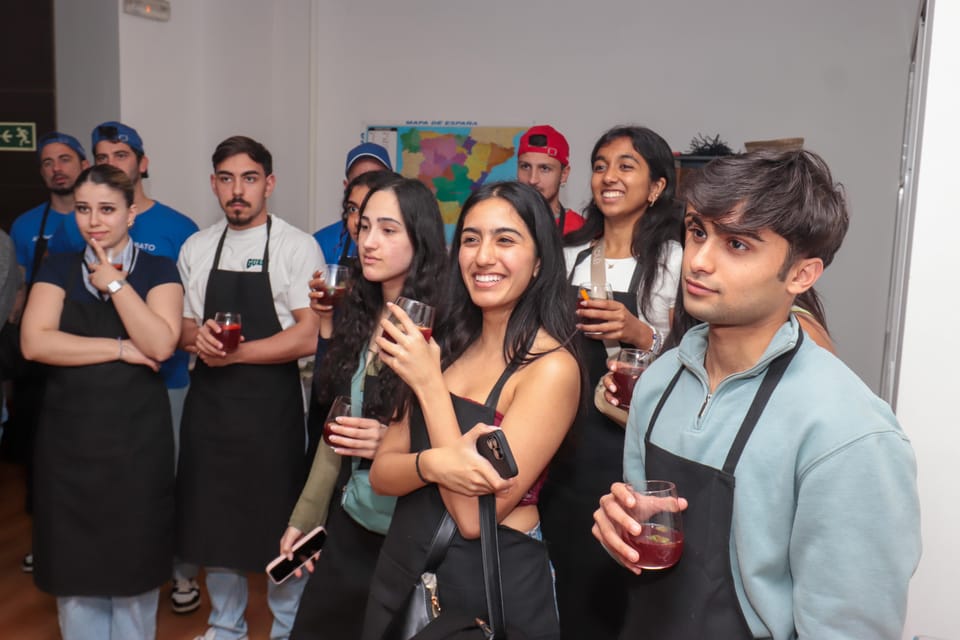
Sangria in Spain has a real “host skill” vibe. It’s not just about pouring wine and fruit. At this workshop, you start with the preparation process and learn how to get a drink that tastes refreshing, not heavy or one-note.
What I like is that the guide connects the drink to how you build flavor. You’re not left guessing. You learn how to get the mix right, then you get to keep sipping while you cook, which makes the whole experience feel festive.
You can also choose sangria or soft drinks, so it’s not automatically an alcohol-only event. That flexibility is important in Madrid, where not everyone wants the same pace during an evening out.
Practical takeaway for you: if you want to impress at home, focus on the balance your guide teaches during mixing. Even if your exact ingredients vary, the method and flavor logic are the part you can repeat.
The paella lesson that actually explains the ingredients
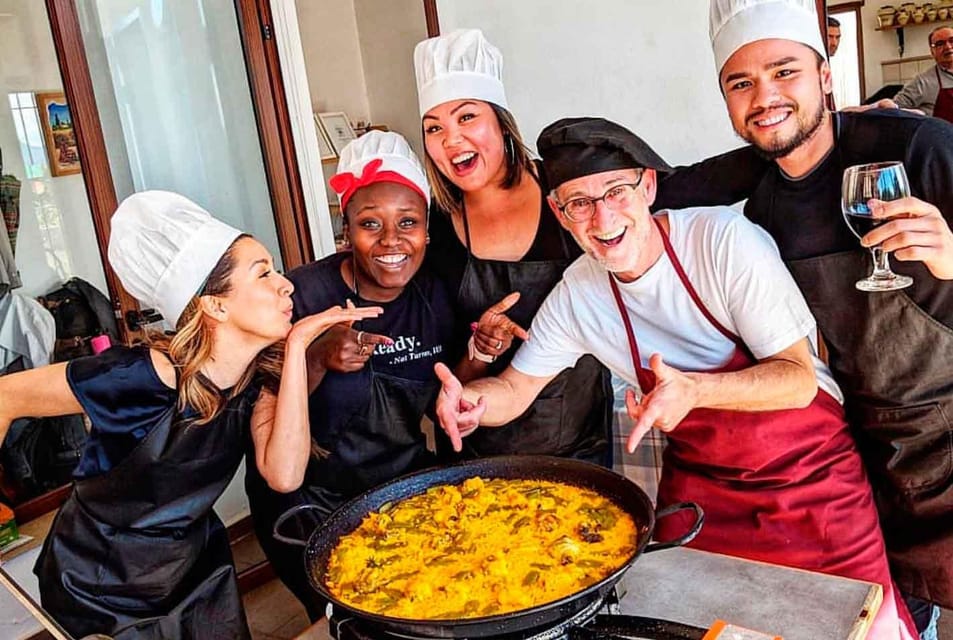
Paella can sound intimidating until someone breaks it down in plain language. This class introduces the basics: ingredient roles, how flavors build, and how you get the right final texture in a traditional paella pan.
You’ll hear the history of paella as part of the experience, but it’s tied to what you’re doing at the stove. That connection helps. When you know why the ingredients matter, the cooking feels like a craft instead of a recipe scavenger hunt.
What you should expect in your paella
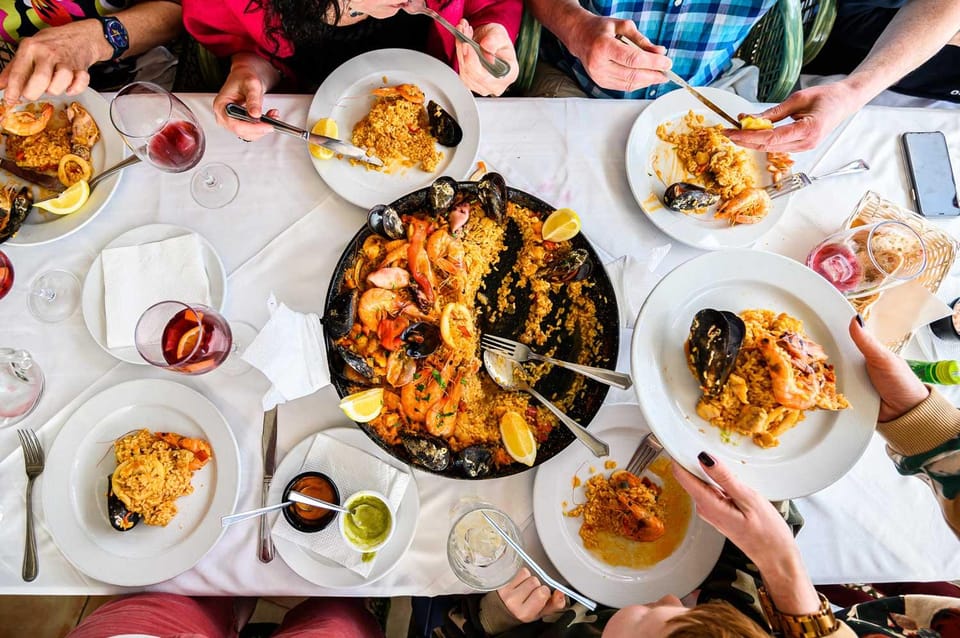
Your paella always includes chicken and seafood in the standard version. That’s the baseline the chef works from, and it’s why the tasting at the end tends to be so satisfying. It also means this is a great match if you want the classic version you’d recognize from Spain.
You can also read our reviews of more tours and experiences in Madrid


Vegetarian and allergy options
If you’re vegetarian or dealing with an allergy, you can get options. The key point for you: you need to send a message in advance so the team can prepare appropriately.
Practical advice: don’t wait until the day of the class to mention dietary needs. Since the workshop starts with ingredient prep and cooking flow, advance notice helps you get a paella that matches your needs rather than a last-minute workaround.
Sitting down to what you cooked (and why the shared meal matters)
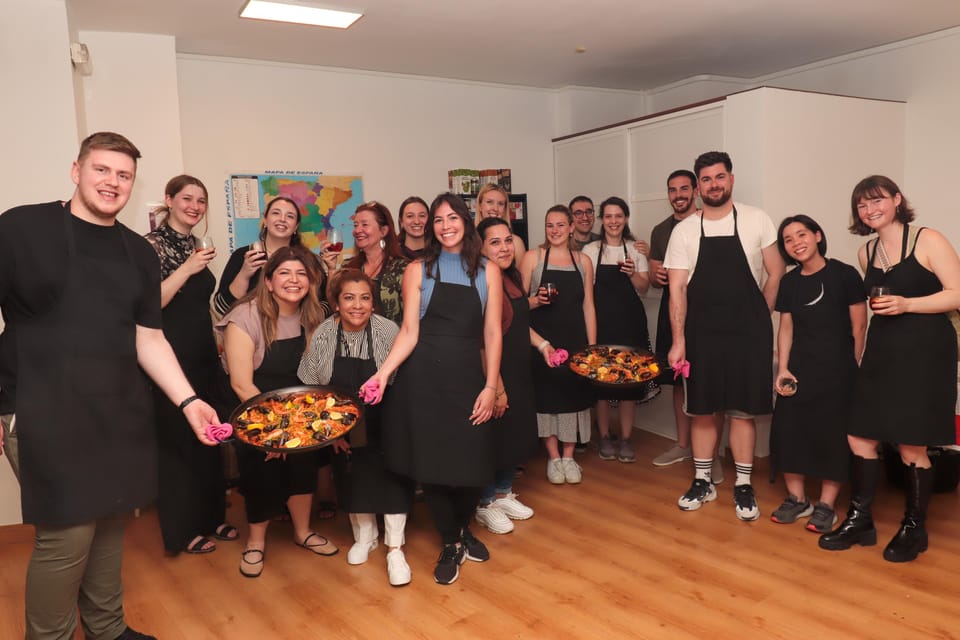
After the work, you eat together. This is the part where the workshop stops feeling like a “class” and becomes dinner.
I like meals like this because they force you into the relaxed social mode Madrid does well. You’ve been chopping and stirring in a group, learning small points from the chef, and suddenly you’re all eating the result at the same time. That shared moment is why people often describe the evening as fun as well as delicious.
And the food isn’t theoretical. You’re tasting the paella and sangria you prepared, which makes the learning stick. If something tastes off, you understand what it might be linked to from earlier steps.
Learn a real skill, not just a recipe card
The biggest value isn’t only that you eat well during the workshop. It’s that you leave with detailed recipes so you can recreate the dishes at home.
That “take-home” part matters because paella isn’t just ingredients—it’s technique and timing. A recipe helps, but the class is also teaching the structure behind it: how ingredients contribute to flavor, how the cooking process works in a traditional pan, and how to build a result that feels like paella rather than a random rice dish.
If you’ve ever tried to cook paella at home and ended up with something that tastes different than what you remember, this is exactly the kind of workshop you book to close the gap.
Who this workshop fits best in Madrid
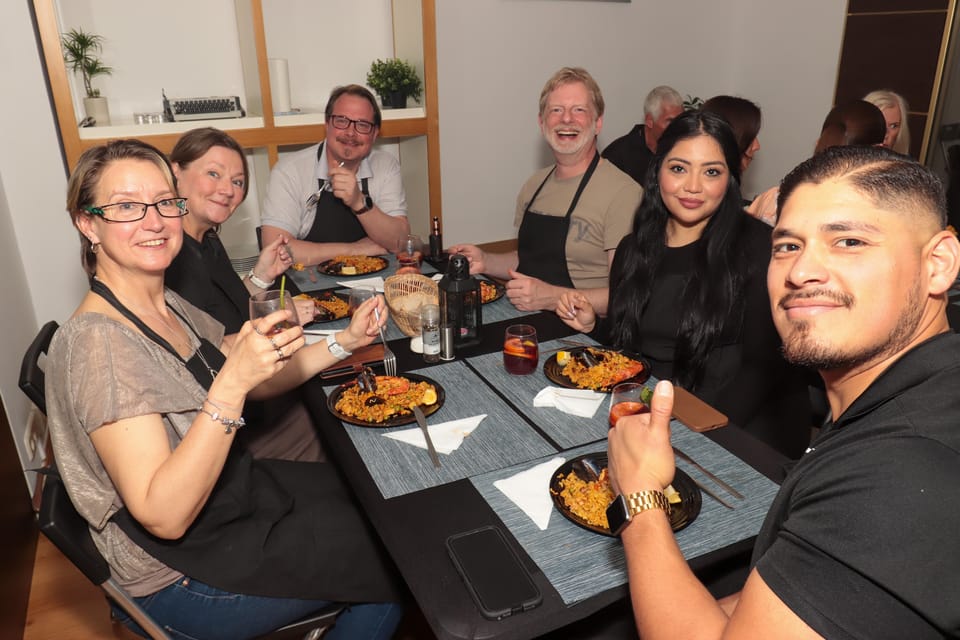
This is a strong choice if you want a central activity that doesn’t require experience. The class is designed so no previous cooking experience is needed. You’ll get step-by-step help, and hosts and chefs like Miguel, Iván, Javier, Guillermo, and Anabel are typically running the show with a mix of guidance and humor.
It’s also a good match for:
- Solo travelers who want a social evening without extra planning
- Couples looking for a fun “we did something together” dinner experience
- Families who want hands-on participation (some groups even include teens, and the class is structured to keep people involved)
- Food lovers who want authentic technique rather than just sampling
If you hate group activities or you want a quiet, sit-and-read kind of experience, this may feel a bit too interactive. But if you like making something with your hands, you’ll likely enjoy the energy.
Price and value: is $69 a fair deal for 3 hours?
$69 for a 3-hour workshop in central Madrid includes a lot more than you might expect. You’re paying for:
- An instructor and a chef guiding both sangria and paella
- All necessary materials and ingredients
- Lunch/dinner
- Sangria (or soft drinks)
- Recipes to take home
When you break it down, the biggest value is that you’re not just eating; you’re learning a skill, getting guided technique, and enjoying a meal you helped produce. That combination usually costs more when you do it as separate experiences in a city center: dinner plus a cooking class plus drinks would add up fast.
So for you, the question isn’t only cost. It’s whether you want to leave with a repeatable outcome. If yes, the price feels fair.
Should you book this paella and sangria workshop in Madrid?
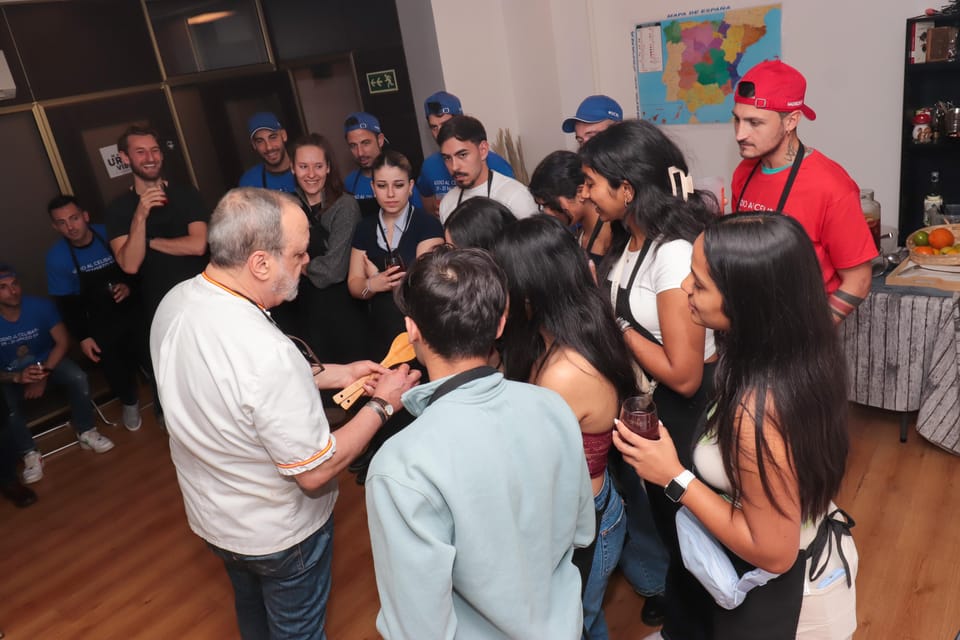
Book it if you want a social, hands-on evening that gives you a real cooking skill plus recipes to bring home. I’d especially recommend it if you’re curious about how paella ingredients work together and you want the classic chicken-and-seafood version, with vegetarian/allergy options available if you plan ahead.
Skip it (or at least think twice) if dietary restrictions are complicated and you didn’t send advance details. Also, if alcohol isn’t your thing, plan for soft drink options so you can still enjoy the mixing and cooking without changing your mood for the night.
If you’re spending limited time in Madrid and want one activity that hits food, technique, and atmosphere at the same time, this is the kind of class that tends to make the trip feel more personal.
FAQ
Is there a lot of cooking involved, or is it mostly watching?
It’s hands-on. You’ll participate in the preparation, including tasks like chopping and stirring, then you enjoy the paella and sangria you helped make together.
What’s included in the price?
The price includes an instructor, the paella workshop, the sangria workshop, all materials and ingredients, lunch/dinner, sangria or soft drinks, and recipes to take home.
How long is the workshop?
The workshop lasts 3 hours.
Do I need any prior cooking experience?
No. The class is designed for beginners, and you get step-by-step guidance.
Do you offer vegetarian or allergy options?
Vegetarian and allergy options are available, but you need to message in advance so the team can prepare.
Where do I meet the host?
Meet at Calle de la Montera, 24, outside the tattoo shop called Bon Vivant. The host waits in front of the building, right outside that shop, then you go together upstairs to the cooking space.