REVIEW · MADRID
Ribera and Rioja Wineries Private Tour from Madrid
Book on Viator →Operated by Amigo Tours Spain · Bookable on Viator
Fourteen hours, two wine regions, one smooth plan. This private Ribera del Duero and Rioja day is interesting because you don’t just drink. You learn the rules behind the wines, especially Denomination of Origin ideas, while visiting well-known cellar brands. I also like that it pairs vineyard/cellar walking with hands-on tasting, so the day stays practical. The second thing I like: you get tastings plus appetizers, which makes the experience feel like a real break, not a rushed sampling. One drawback to consider is that lunch isn’t included, so you’ll want to plan for food during the gaps.
You’ll start early with pickup from hotels in the city center, with the meeting point at Amigo Tours on C. de Julio Camba, Salamanca (28028 Madrid), and the tour begins at 8:00 am. The pacing is built around a full-day drive through wine country: first Ribera del Duero (the Burgos area), then over to La Rioja, finishing back at the meeting point. If you’re expecting a casual stroll with tons of free time, keep your expectations realistic—this is a structured wine day with guided stops.
In This Review
- Key points to know before you go
- A full-day Ribera del Duero + Rioja circuit from Madrid
- Price and logistics: what $1,176.12 per person buys you
- Stop 1 in Ribera del Duero: Burgos-area cellar time and a classic lesson
- Bodegas Portia: guided visit, D.O. explanations, and tasting with appetizers
- Rioja stop: 150+ years of winery identity and regional character
- Bodegas Marques de Caceres: vineyards, tastings, and a second big payoff
- The wine lesson behind the tastings: Denomination of Origin in plain terms
- Who this private tour fits best (and who might not)
- Practical tips for making the day smoother
- Should you book this Ribera and Rioja private tour?
- FAQ
- How long is the Ribera and Rioja Wineries Private Tour from Madrid?
- What time does the tour start?
- Where is the meeting point in Madrid?
- Do I get hotel pickup?
- Is this a private tour?
- Which wineries are visited and what tastings are included?
- Is lunch included?
- Are children allowed to participate in wine tastings?
- Is a baby car seat provided for young children?
- Is the tour ticket available on a mobile device?
- Is there free cancellation?
Key points to know before you go
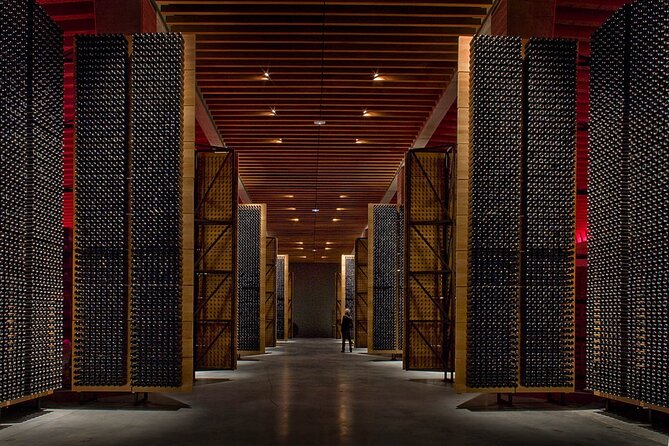
- Two D.O. wine regions in one day: Ribera del Duero first, then Rioja in La Rioja province
- Hands-on tastings at multiple wineries: including exclusive Ribera del Duero wine plus Rioja wines
- Appetizers are part of the tastings: so you’re not just drinking on an empty stomach
- Private guide and transport: helpful if you don’t have a car (or just don’t want the hassle)
- The tour teaches what D.O. means: Denomination of Origin concepts are explained in both regions
- Beginner-friendly pace: even if you’re not a big wine person, the explanations can make it click
A full-day Ribera del Duero + Rioja circuit from Madrid
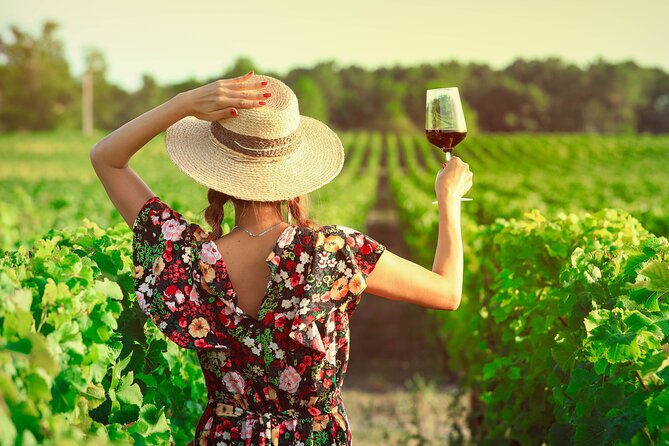
This is the kind of tour that makes Madrid feel less like an “only city” trip. You’re going from urban Spain into classic wine-country rhythms, with professional guidance keeping the day on track.
The schedule is long enough to feel like an all-day outing (about 14 hours), but it’s broken into clear chunks: guided winery time, then tasting time, then short breathing room. That matters, because winery visits can otherwise feel repetitive—stand in a cellar, hear the same spiel, taste a few sips. Here, the change of regions helps: Ribera del Duero has its own identity, and Rioja does too. The tour keeps comparing what makes each style recognizable.
If you like structure (but not rigidity), you’ll probably enjoy it. If you prefer slow travel and you hate being scheduled tightly, you may find the day feels busy. Still, the trade-off is convenience: transport is handled, entrance fees for key stops are included, and you’re not figuring out wineries, timing, and driving.
You can also read our reviews of more private tours in Madrid

Price and logistics: what $1,176.12 per person buys you
Let’s talk money plainly. This tour is priced at $1,176.12 per person, and that’s not small change. When tours cost this much, the real question is what you’re getting for the price—and how much of it saves you effort or risk.
Here, your money covers:
- Transportation and hotel pickup from city-center locations
- A professional private guide
- Entrance to multiple wineries (Ribera del Duero and Rioja stops are ticketed, with one stop listed as admission free)
- Wine tastings and appetizers during the cellar visits
The strongest value piece is the “no car needed” approach. One of the biggest pain points with wine tours from Madrid is logistics: getting out there, finding the right wineries, and keeping your timing aligned for tastings. This package removes that stress.
What’s not included is lunch. The good news: at one stop (Bodegas Portia), you get free time to eat and you can also try some wine during that moment. The not-so-good news: you still need to pay for your meal yourself. If you’re budget-conscious, plan to eat during the free time window rather than assuming lunch is magically handled.
Also note: this is private, meaning it’s only your group. That often justifies the higher price compared to big-group tours—especially if you’d otherwise need to hire transport and tickets separately.
Stop 1 in Ribera del Duero: Burgos-area cellar time and a classic lesson
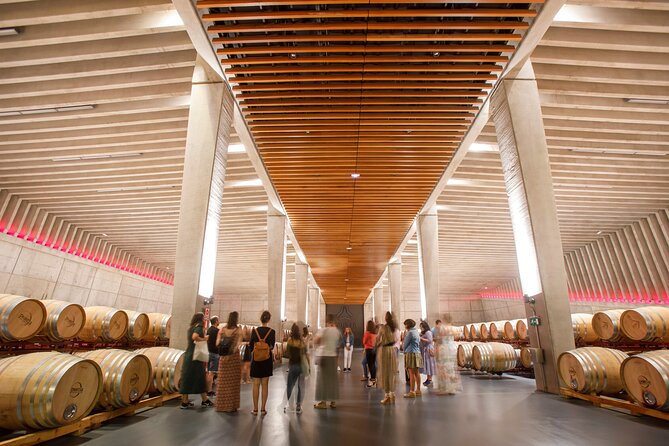
Your first wine chapter happens in Ribera del Duero, with travel to the Burgos area. This isn’t just a name drop. Ribera del Duero is one of Spain’s most recognizable wine regions, and starting here gives you an immediate sense of the local style.
At this first winery stop, you’re looking at a traditional cellar tied to certificate or origin. The visit includes about 2 hours on-site, with the admission ticket included. You’ll learn how grapes are grown and how winemaking works, plus a guided explanation of key concepts like Denomination of Origin wine.
Then comes one of the tour’s highlighted tasting moments: you’ll be able to try an exclusive Ribera del Duero wine, paired with appetizers. That appetizer pairing is more than a perk. It keeps the tasting comfortable for longer days and helps you stay focused rather than rushing through flavors to avoid feeling lightheaded.
Potential drawback? This is the first stop on an already long day. So if you’re extremely sensitive to alcohol or you don’t want to taste much early, you’ll have to pace yourself. The tour is designed around tasting as part of the flow, not optional add-ons.
Bodegas Portia: guided visit, D.O. explanations, and tasting with appetizers
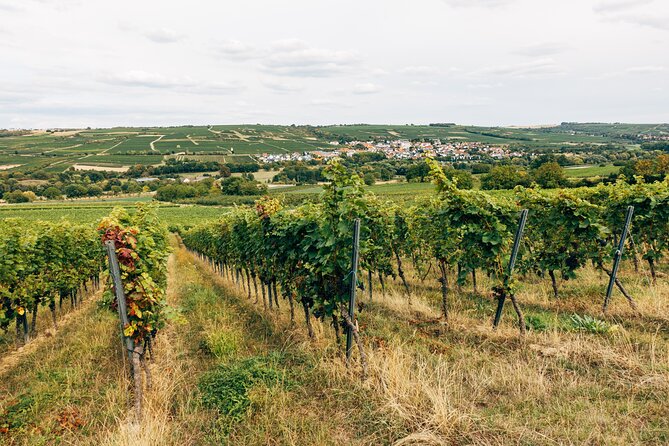
Next up is Bodegas Portia, where the vibe shifts into another well-known interpretation of Ribera del Duero. Expect a guided visit of about 1 hour, with entrance included.
This stop is a good place to understand how D.O. thinking affects real wine choices. The explanation focuses on the meaning of Denomination of Origin and why it matters to reputation and quality. That kind of framing can help you read a label later without feeling like wine terms are random trivia.
What you’ll do here is also very practical:
- You’ll enjoy a guided winery visit
- You’ll taste the winery’s renowned wine, with appetizers
- You’ll have free time to eat and try more wine
That free time is important. It turns the day from a strict tasting marathon into something closer to a meal-and-tour rhythm. If you’re coming from Madrid without a car, this kind of built-in buffer can make the whole day feel more livable.
One consideration: because this is the lunch window in spirit (even though lunch itself isn’t included), bring the mindset that you may need to pay for food on-site. If you’d rather avoid spending extra, consider eating light at home before you go and then budgeting for one meal during this break.
Rioja stop: 150+ years of winery identity and regional character
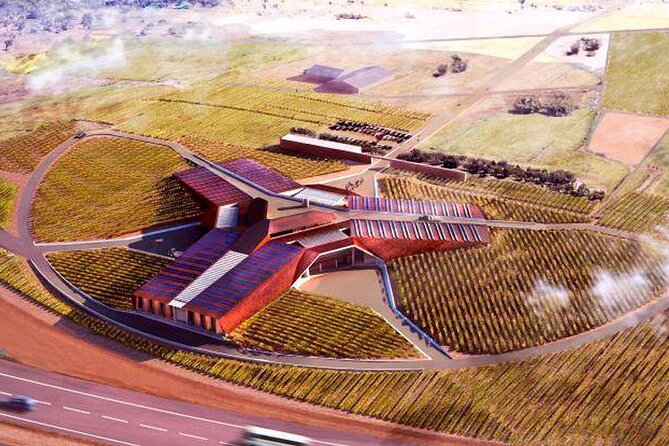
After Ribera del Duero, you’ll continue toward La Rioja, where the tour shifts from one D.O. personality to another. Here, you visit a winery with more than 150 years of history, and you’ll spend about 2 hours.
The key focus is how Rioja wine characteristics are selected and maintained. This matters because Rioja is often discussed as if it’s one thing. It’s not. Rioja’s identity is tied to tradition, region choices, and how the Denomination of Origin framework shapes expectations.
This stop lists admission as free, which is a nice cost-balancer within the overall price. It also signals that your money isn’t only going toward tastings; you’re getting access to heritage-level cellar time too.
What I like about this part of the day is that the region change is meaningful. If you only tasted wine in the glass without context, you might struggle to tell what’s different. But when you pair tastings with structured explanations, you start picking up patterns—style, approach, and why certain wines hold their reputation.
Possible drawback: because this part is heavily guided and historical, you might find it slightly less “hands-on” than the Ribera segments. If you hate waiting in rooms for speeches, you may need to stay engaged by asking your private guide to connect the history to the flavors you’re tasting later.


Bodegas Marques de Caceres: vineyards, tastings, and a second big payoff
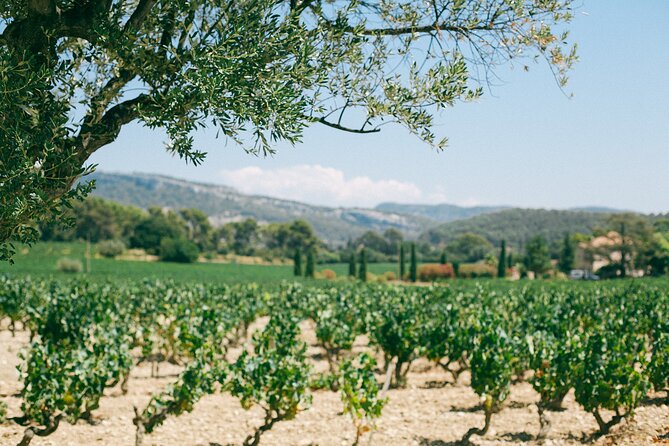
The final winery stop is Bodegas Marques de Caceres, again with a 2-hour visit. This is a strong closer because it combines facilities and vineyards, so you can connect what you learn to what you see.
Here, the tour includes the chance to taste new wines and enjoy appetizers. You’ll also spend time in the facilities and look at where the grapes grow, which helps you understand why Rioja ends up tasting the way it does in the glass.
If you’re thinking ahead to buy-a-bottle decisions later, this is the stop that often makes the most sense. You’ve already learned D.O. concepts and seen a Ribera workflow. So when Rioja wines come into the picture, you’re more likely to notice differences rather than getting overwhelmed by terms.
Also, the tour structure helps you finish without feeling like the day is over before you’ve gotten value. A second substantial tasting and food pairing at the end gives the experience weight, rather than ending with a token stop.
If you plan to keep drinking-friendly pace, remember that tastings add up. Hydrate during breaks, and pace your pours. You’ll enjoy it more when you’re still sharp for the drive back.
The wine lesson behind the tastings: Denomination of Origin in plain terms
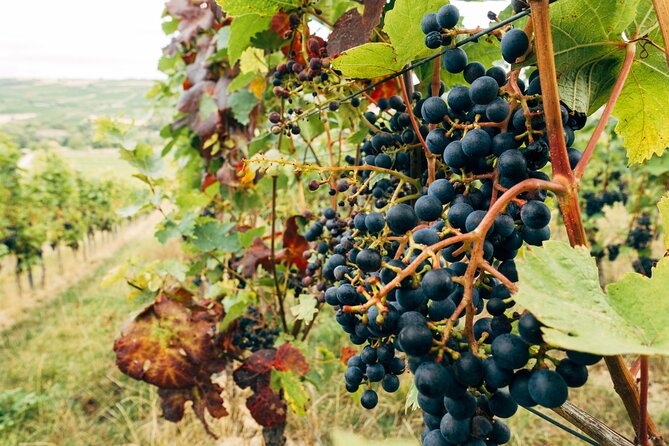
One thing this tour does well is explain the idea of Denomination of Origin without turning it into a lecture you can’t use. The tour brings D.O. into both regions you visit, so you see how the concept works across styles.
Here’s how that helps you as a visitor:
- You start to understand that D.O. isn’t just a fancy stamp. It connects to quality expectations and regional identity.
- You learn vocabulary in context, not in isolation.
- You taste with a framework. That makes flavors more readable and less random.
In a lot of wine experiences, you either get too much science or too little. This one aims for the middle: guided explanations plus tastings where you can connect what you hear to what you sip.
And your private guide helps most here. In a smaller group (just your party), you can ask questions instead of waiting for the whole group to catch up. If you’re the type who wonders why a wine tastes like it does, you’ll probably get better value from the guide’s explanations.
Who this private tour fits best (and who might not)
This is best for people who:
- Want Ribera del Duero and Rioja in one day from Madrid
- Appreciate guided explanations and not just free tasting
- Like the idea of tastings with appetizers so you can enjoy the day comfortably
- Don’t want to handle driving and winery logistics yourself
It can also work for wine-curious beginners. If you’re not a confident wine drinker, the structured tastings and D.O. explanations are exactly the kind of support that can turn wine from confusing to fun.
You might want to skip or reconsider if:
- You need a totally laid-back day with minimal scheduling
- You don’t want any alcohol tastings at all (the tour is built around tasting)
- You’re traveling with kids and need tastings to be kid-friendly (there are age rules)
Practical tips for making the day smoother
A few small choices can make this long wine day feel easier:
- Wear comfortable shoes. You’re in winery environments and you’ll likely walk some paths.
- Eat something before you start. The tour includes tastings with appetizers, but your stomach will feel better with a head start.
- Pace the tastings. You’ll have multiple tasting moments across the day.
- Plan for food during free time. Lunch isn’t included, and you’ll want to use the break to grab something to eat.
- Bring any needed child car seat if traveling with a young child. For children under 11, you must bring a baby car seat, and the company can’t provide one.
Should you book this Ribera and Rioja private tour?
I’d book it if you want a guided, high-value “wine education plus tastings” day without car logistics from Madrid. The combination of two iconic regions, private guidance, and multiple tastings with appetizers makes it feel like more than a simple sip-and-go tour.
I’d hesitate if you’re expecting lunch to be included, or if you dislike long days. Also, because tastings are central to the experience, it fits best when you’re genuinely curious about the wine culture and not just looking for a quick activity.
If you’re celebrating a birthday, planning a special couple day, or you want to do serious wine sightseeing without stress, this private Ribera and Rioja day is a strong pick.
FAQ
How long is the Ribera and Rioja Wineries Private Tour from Madrid?
It runs for about 14 hours (approx.).
What time does the tour start?
The start time is 8:00 am.
Where is the meeting point in Madrid?
The meeting point is Amigo Tours, C. de Julio Camba, Salamanca, 28028 Madrid, Spain.
Do I get hotel pickup?
Yes. Hotel pickup is offered from hotels in the city center, and transportation is included.
Is this a private tour?
Yes. It’s private, and only your group participates.
Which wineries are visited and what tastings are included?
You visit Ribera del Duero (a traditional winery with a Ribera del Duero tasting with appetizers), Bodegas Portia (guided visit with wine tasting and appetizers), a Rioja winery (about 2 hours, admission free), and Bodegas Marques de Caceres (facilities and vineyards, with wine tasting and appetizers).
Is lunch included?
No. Lunch is not included.
Are children allowed to participate in wine tastings?
Clients under 18 years old are not allowed to do the tasting on the wineries.
Is a baby car seat provided for young children?
No. Children under 11 must sit on a baby car seat, and Amigo Tours can’t provide it, so you must bring your own.
Is the tour ticket available on a mobile device?
Yes. The tour includes a mobile ticket.
Is there free cancellation?
Yes. You can cancel up to 24 hours in advance for a full refund.