REVIEW · MADRID
Ribera del Duero Wineries Guided Tour & Wine Tasting from Madrid
Book on Viator →Operated by Gourmet Madrid · Bookable on Viator
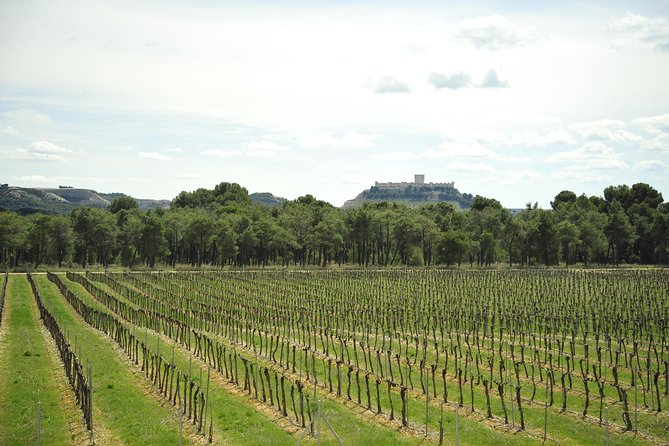
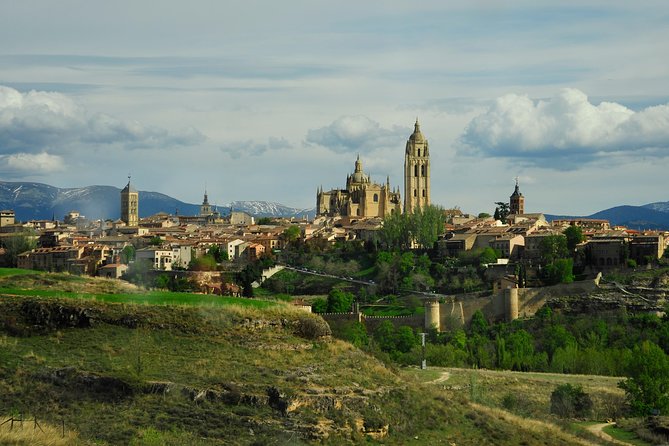
The wine payoff makes the long drive worth it. From Madrid, you’re guided into Spain’s Ribera del Duero country for Ribera del Duero tastings, winery architecture you can’t unsee, and a proper day of Tempranillo-focused learning.
I like that this is not a rushed hit-and-run. You get three winery visits with tasting time built in, plus snacks at each stop so the day stays fun (and not just tipsy). And I really like the variety: modern wineries sit beside old-school cellars, and the last stretch can include a medieval underground cellar you walk into like it’s a time machine.
One thing to plan for: this is a long day with early pressure. You need to be on time for the 9:15am Madrid pickup, and the underground parts run chilly, so bring warm layers even in good weather.
In This Review
- Key highlights worth your attention
- Getting from Madrid: the 9:15am start decides your day
- Ribera del Duero in plain terms: Tempranillo with a strong personality
- Stop-by-stop: what each part of the day actually feels like
- First big stretch: Ribera del Duero landscapes and wine culture time
- Aranda de Duero: the first winery tasting and the “grape to bottle” story
- Sotillo de la Ribera: modern winery architecture with a “surprise” factor
- Roa lunch break: real Castilian food, and your schedule stays yours
- Curiel de Duero: a medieval underground cellar experience
- Return to Madrid: the long ride back with full memories
- What you actually get for the money (and why it’s fair)
- Small-group reality: comfort, pace, and what to pack
- Who this tour suits best
- Should you book Ribera del Duero from Madrid?
- FAQ
- What time does the tour start, and where is the meeting point?
- How long is the Ribera del Duero winery tour?
- How many wineries do you visit, and do you get tastings?
- Is lunch included in the price?
- Are there age limits for this tour and wine tasting?
- What should I wear or bring for the cellar stops?
- What’s the maximum group size, and can the tour be canceled?
Key highlights worth your attention
- Three distinct wineries with tasting sessions at each one, not just a single stop
- Minimum of three wines tasted per winery, plus snacks to keep you comfortable
- Modern-meets-traditional contrasts, including architecture tied directly to vineyards
- Underground cellar history in the Curiel de Duero area, with long tunnel networks
- Small group feel (maximum 20 travelers), so questions stay easy to answer
Getting from Madrid: the 9:15am start decides your day
Your day kicks off in central Madrid at Plaza del Conde de Casal 6, at the front door of the cafetaría of hotel Claridge (right next to the main entrance). The closest metro stop is Conde de Casal (Line 6). The tour pickup is set for 9:15am, and they mean it: do not show up late.
I’m a fan of tours that actually keep time. Here’s the real-world trick you should use: plan to arrive 10–20 minutes longer than Maps says, then add a buffer for finding the exact pickup door. The tour note is clear that if you miss the departure, joining later at the first stop can cost you extra, and that cost is on you.
That first drive out of Madrid is also part of the experience. It takes about two hours to reach the wine region area, and you’ll spend that time heading into the “river of wine” landscape around the Duero.
Practical tip: the operator says they don’t recommend Uber for getting to the meeting point. A regular taxi is the safer bet when you’re trying to land exactly where the group starts.
You can also read our reviews of more food & drink experiences in Madrid


Ribera del Duero in plain terms: Tempranillo with a strong personality
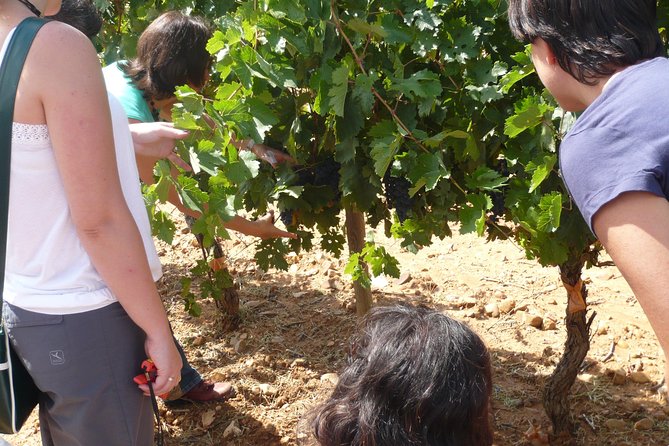
Ribera del Duero is famous for Tempranillo, Spain’s grape that can produce deep red wines with full body and lots of fruit. In this region, that grape comes with attitude: your guide explains how the land, weather, and production choices shape the final glass.
What I like about a guided wine day like this is that you don’t just get tastings. You get context you can use at home. When someone points out how vineyards handle extreme conditions, or how traditions and techniques overlap, your tastings stop being random and start being “I get why this tastes like this.”
Also, expect a mix of scenery and education. In the middle of the drive day, you’ll spend time in the Ribera area itself, then shift toward specific towns tied to the wineries and cellar visits.
Stop-by-stop: what each part of the day actually feels like
First big stretch: Ribera del Duero landscapes and wine culture time
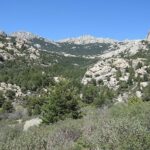
After you leave Madrid, you’re headed into the Duero countryside. This is the stretch where the tour goes from city to wine region mode. The schedule includes around two hours in the Ribera del Duero area with time that’s meant to connect the dots between:
- how vineyards grow under hard conditions
- how modern and older winemaking approaches work side by side
- how families turned this region into a globally known red wine center
This is also where the day starts to feel “worth it” if you’re the type who likes the setting. You’re not only thinking about the next pour; you’re looking at the place the wine is coming from.
Aranda de Duero: the first winery tasting and the “grape to bottle” story
You’ll then reach Aranda de Duero, and here the tour focuses on the first winery visit. The plan is a full visit built around winemaking in Ribera (the tour uses the idea that Ribera means river area), and a “from grape to bottle” explanation of Tempranillo.
This stop is designed to give you the baseline understanding. Even if you’re new to wine, you’ll hear how the process works and why this region’s Tempranillo shows up the way it does. And if you already know wine, this is where you can start noticing what changes between wineries later.
You’ll also taste aged wines for character like freshness and elegance—the kind of description that matters once you’re actually tasting, not just reading.
From real experiences shared by past guests, some departures have included well-regarded wineries that vary by day. For example, one tour group mentioned visiting a newer startup-style bodega and another day mentioned a large producer stop. The key constant is that you get a guided tasting with the region’s red wine focus.
You can also read our reviews of more guided tours in Madrid


Sotillo de la Ribera: modern winery architecture with a “surprise” factor
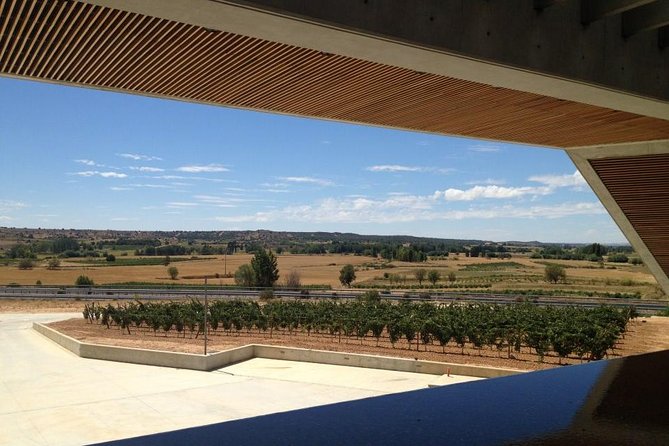
Next comes Sotillo de la Ribera and the second winery. This is where the tour leans into contrast. The winery you visit here is described as modern and harmonious with the environment, even described as open to the vineyards.
If you like architecture as part of travel, this stop can be unexpectedly satisfying. The guide’s framing here is that the winery’s design is not just pretty; it’s connected to how the space works and how the winemaking process sits beside the landscape.
This is also one of the stops that travelers tend to remember. In multiple accounts, the highlight wasn’t only the wine but the bodega setup and the feeling of being inside a place designed for the future while still honoring tradition.
As a bonus, the tastings here don’t feel like one bland routine. The tour explicitly aims to mix wineries so you get a broader view of what Ribera del Duero can produce, from traditional methods to limited-production styles.
Roa lunch break: real Castilian food, and your schedule stays yours
Then you get free time to have lunch in Roa. Lunch is not included in the tour price, and the tour does not force a specific menu. You’ll pick your own spot.
They give you a helpful budget guide:
- tapas around 12–15€
- a full 3-course meal around 30€
This pause is important. You’ve been tasting and walking through cellars and winery spaces; a no-pressure lunch makes the afternoon easier. Also, Roa is the kind of small wine town where you can usually find something that feels local rather than generic.
Curiel de Duero: a medieval underground cellar experience
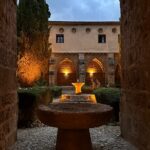
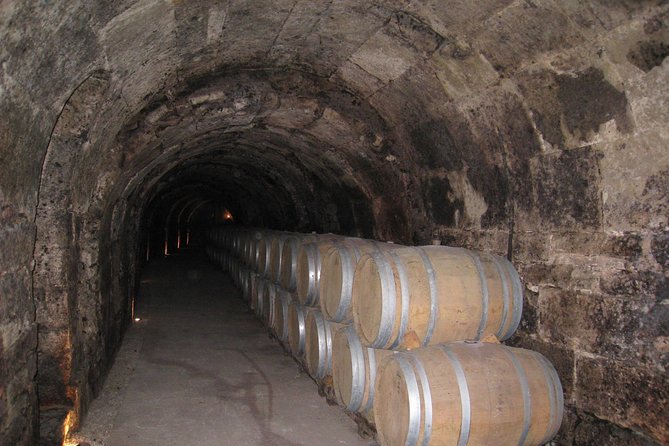
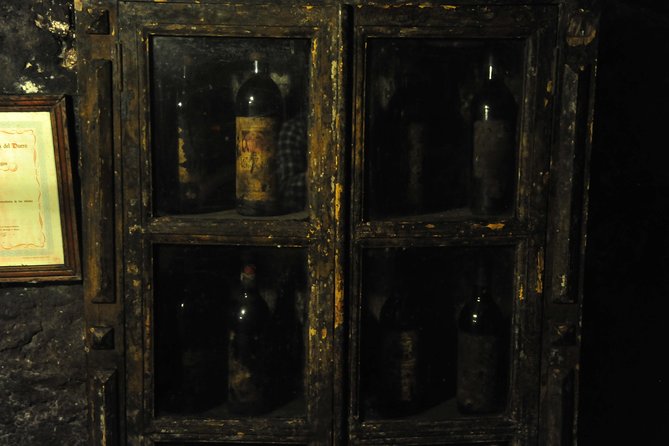
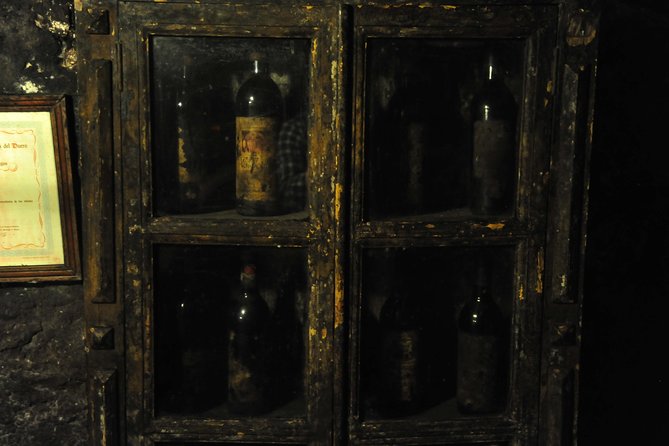
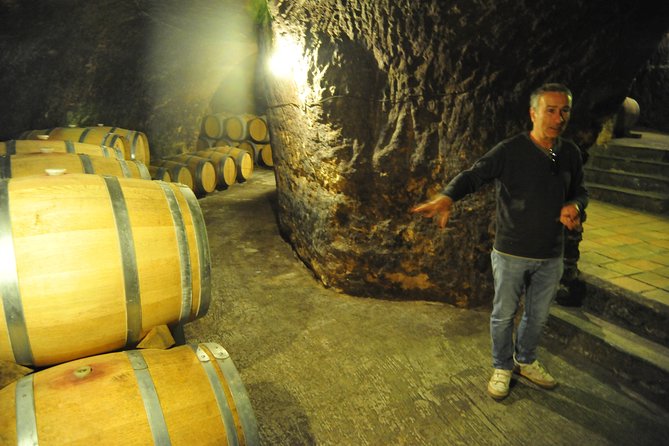
The third winery stop is in Curiel de Duero, and it can be the emotional peak of the day. You visit a medieval underground cellar with tunnel networks running long distances and excavated deeply into the subsoil.
The tour describes about 4 miles (around 6.5 km) of cellar networks and excavation roughly 40 feet deep. The point is preservation: these spaces were used for wines made since the Middle Ages.
And yes, it’s cold down there. The tour notes it clearly, and I’d take it seriously. If you run warm normally, bring a layer anyway because underground temperatures stay cool.
From past guest notes, people specifically loved moments like walking into older caves described as centuries old, and they remember the tunnel routes more than they expect. This stop also tends to feel more “physical” than many tastings: you’re not just sampling wine, you’re stepping into its storage history.
Return to Madrid: the long ride back with full memories
After the last winery, the tour shifts into the return drive. The plan is that arrival back in Madrid is around 8:00pm (20h), with total tour time typically 10–11 hours, depending on traffic.
The ride back is when you’ll feel the day. Your legs may be tired, your mind will be buzzing with grape and cellar facts, and you’ll probably taste the difference between the wines you liked most versus the ones you expected to like.
What you actually get for the money (and why it’s fair)
At $223.82 per person, it’s not a “cheap day trip.” But it isn’t just a wine label and a bus ride either.
Here’s the value logic that matters:
- You’re paying for roundtrip transportation on an air-conditioned van or coach.
- You get three winery visits with guided tours.
- You get wine tasting at each winery: the tasting is at least three wines per winery.
- The day includes snacks at wineries, so you’re not tasting on an empty stomach.
- You also have a local bilingual guide operating in English (and Spanish if needed).
When guides and winery staff are part of the experience, the cost can start to make sense fast. Many wine tastings that cost similar amounts often cover only one location. Here, the “per stop” value improves because you’re getting multiple settings and teaching moments in one long day.
And from the review pattern, what people consistently praise is the selection of different winery styles and the amount of attention from both the guide and winery hosts. Names that show up in feedback include Ismael, Muna, Antonio, Alfonso, Kos, Cos, and CoSmin, depending on the departure. The variation in names reflects the same idea: you’re meant to get expert handling throughout the day.
Small-group reality: comfort, pace, and what to pack
This tour has a maximum of 20 travelers. That number matters because it usually keeps the experience calmer than large tourist buses.
But don’t assume luxury comfort. One detailed account noted the van can feel a bit cramped even with limited seating. So I’d treat this as a “bring patience for a long day” tour, not a nap-and-arrive experience.
What to bring:
- Warm layer for underground cellars
- Comfortable shoes for walking through winery and cellar spaces
- A plan for lunch since lunch is on your own dime
- A little buffer for being on time at the Claridge pickup door
If you want to taste and learn without stress, these small decisions matter more than fancy gear.
Who this tour suits best
This is a strong pick if:
- you want a Tempranillo-focused introduction to Ribera del Duero
- you like comparing winery styles (modern architecture vs older cellars)
- you’d rather spend one organized long day than coordinate wineries yourself
It’s less ideal if:
- you hate long days and long drives
- you’re expecting a slow, leisurely pace with lots of free roaming time
- you’re sensitive to cold temperatures (the underground stops run chilly)
One hard limit: children under 12 cannot take part. Also, minimum age for tasting at the wineries is 18.
Should you book Ribera del Duero from Madrid?
I’d book it if you want a structured wine day that mixes multiple wineries, plenty of tastings, and real historical cellar immersion. For many people, the biggest win is that the day teaches you how and why Ribera del Duero tastes the way it does, not just what to order.
I’d think twice if your priority is spontaneity, short days, or minimal logistics. This is an all-day program with early timing and a packed route, so you need to show up ready and bring layers for the underground portion.
If that sounds like your kind of trip, this is a very solid way to see Ribera del Duero without turning your day into a DIY scheduling headache.
FAQ
What time does the tour start, and where is the meeting point?
The tour starts at 9:15am at Plaza del Conde de Casal 6, at the front door of the cafetaría of hotel Claridge. It ends back at the original meeting point in Madrid.
How long is the Ribera del Duero winery tour?
Expect about 10 to 11 hours total, depending on traffic in Madrid.
How many wineries do you visit, and do you get tastings?
You visit three wineries. Wine tasting is included, with a minimum of three wines tasted at each winery, and there are snacks provided so you are not tasting on an empty stomach.
Is lunch included in the price?
No. Lunch is free time at your own choice, typically in Roa. The tour provides budget guidance for tapas or a full three-course meal.
Are there age limits for this tour and wine tasting?
Children under 12 cannot take part in the tour. For wine tasting at the wineries, the minimum age is 18.
What should I wear or bring for the cellar stops?
It can be cold inside the cellars. Bring some warm clothes or layers for the underground parts.
What’s the maximum group size, and can the tour be canceled?
The tour has a maximum of 20 travelers. It also requires a minimum number of participants (minimum 4). If that minimum isn’t met, the tour can be canceled, with an alternative or a full refund offered.