REVIEW · MADRID
Spanish Civil War start of 2 World War, Guernica Franco
Book on Viator →Operated by Tours Madrid | TOURSTILLA · Bookable on Viator
Madrid shows its war wounds today. This walk threads the start of the Spanish Civil War and how it fed into the WWII-era nightmare, using central landmarks and on-the-spot explanations. I love the cause-and-effect framing, and I love how the stops feel personal, not like a textbook.
You also get real help to follow along: a mobile ticket plus maps, images, audio, and videos that keep the story from slipping away after the tour ends. Guides such as Victor and Maikel are known for being welcoming and for turning heavy material into something you can actually grasp.
The one possible drawback is that it stays mostly outside and skips site entries, so if you’re craving long museum time, this format may feel quick.
In This Review
- Key highlights to expect
- How This Madrid Walk Makes the Spanish Civil War Make Sense
- Plaza del Callao: Central Madrid Under Bombs
- Palacio del Senado: Two Divided Spains and the Spark of War
- Plaza de España: Franco, the Capital Under Siege, and Wartime Daily Life
- Templo de Debod: Who Paid, Propaganda, and a Civil War Memorial
- Paseo del Pintor Rosales: Picasso, Guernica, and Art Under Fire
- Cuartel General del Ejercito del Aire: Medicine, Music, and the War-to-Dictatorship Turn
- Arco de la Victoria: Should You Destroy or Preserve It?
- Price and Value: Why This Walk Feels Like a Bargain
- Who This Tour Is Best For (and Who Might Want a Different Plan)
- Should You Book This Spanish Civil War Walking Tour?
- FAQ
- How long is the tour?
- What does it cost?
- Is the tour offered in English?
- Do I need to buy entries for the stops?
- How big is the group?
- Is free cancellation available?
Key highlights to expect
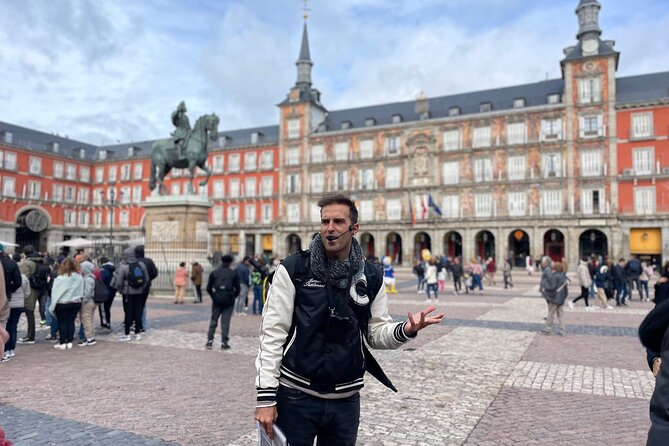
- A 2.5-hour, story-driven route through Madrid’s Civil War sites, with themed prompts at every stop
- Mobile ticket + take-home media pack (maps, images, audio, videos) to help the details land
- Outside viewing without paid entries so you spend your time learning, not ticket lines
- A wide lens on the conflict, from bombings and daily life to propaganda and the cost of war
- Art and ideas under pressure, including Picasso’s Guernica and how culture gets weaponized
- Ends near Metro Moncloa, easy to keep your day moving with dinner or more sightseeing
How This Madrid Walk Makes the Spanish Civil War Make Sense
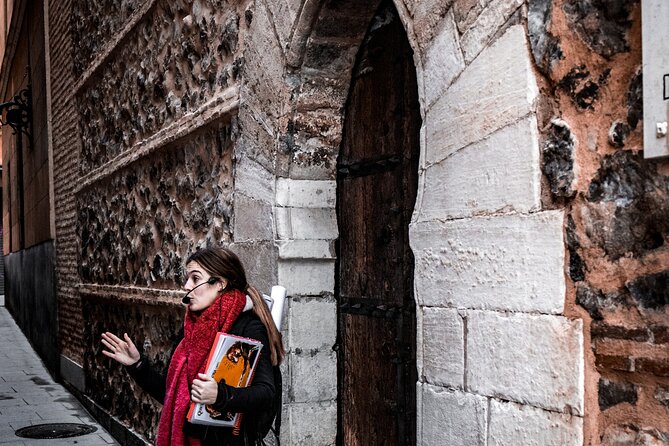
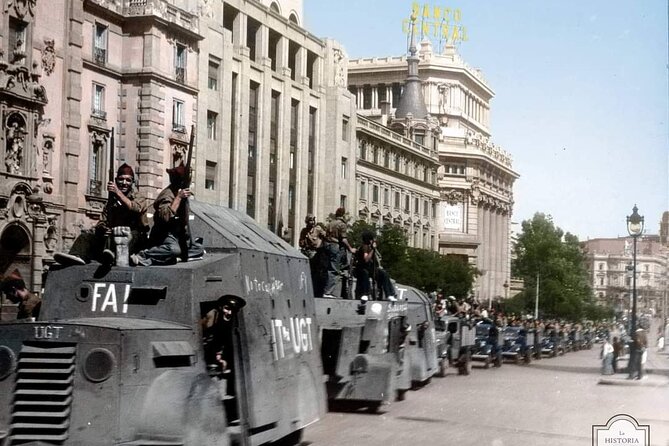
If the Spanish Civil War feels huge and complicated in your head, this tour does something smart: it ties big ideas to specific corners of Madrid. You’ll move through the city while the guide builds a clear thread, starting with the war’s beginnings and widening outward until you understand how the conflict fed into WWII and the later dictatorship.
Two things work especially well. First, the tour doesn’t just point at monuments—it keeps asking why those places matter, and what changed around them. Second, the materials you receive (maps, images, audio, videos) give you a backbone for remembering names and themes long after you leave the street.
A bonus for English speakers: it’s offered in English, and it’s designed for most visitors to follow. The group size is capped at 30, which generally keeps the pace human.
You can also read our reviews of more tours and experiences in Madrid.

Plaza del Callao: Central Madrid Under Bombs
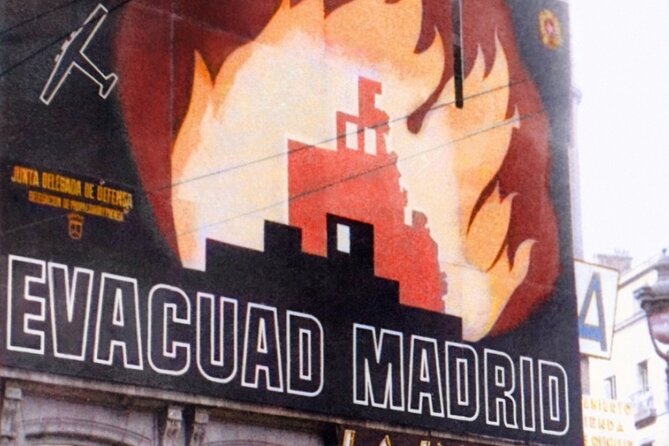
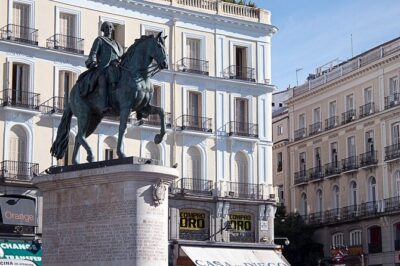
You start in central Madrid at Plaza del Callao, and the first lesson is uncomfortable in the right way: war isn’t only something that happens far away. The guide sets the scene around bombings in the city center and how the scars remain on buildings and in the way people talk about that period.
This stop also has a clever “daily life” angle. There’s a prompt tied to the idea of The Life of a Spaniard at War—the question of whether war becomes content, entertainment, or propaganda. It’s a reminder that conflict doesn’t pause ordinary life; it hijacks it.
One practical consideration: you’ll be moving through a busy urban area, so expect a bit of sidewalk weaving. Still, the payoff is strong—this is where the tour’s tone locks in, and from there the rest of the walk feels like a logical chain rather than disconnected history.
Palacio del Senado: Two Divided Spains and the Spark of War
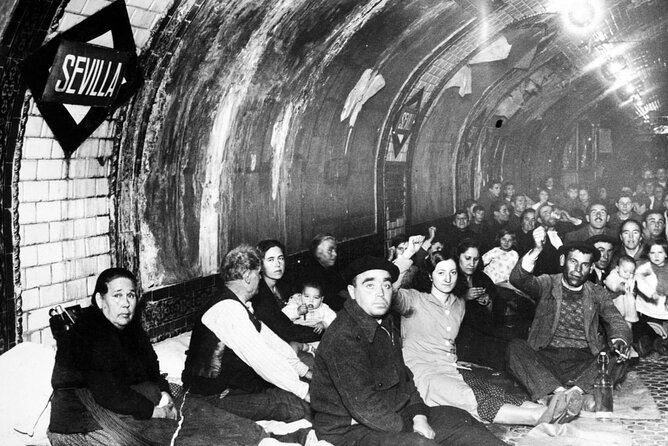
At the Palacio del Senado, the story shifts from the sound of explosions to the structure of power. This stop focuses on how the Spanish Civil War starts, framed around the idea of two divided Spains—different visions of what the country should be, and how politics can become irreconcilable.
The guide then stretches the timeline, linking Spain to the larger WWII arc. You’ll hear the conflict described as a kind of World War II test range, which helps you understand why this smaller-looking fight mattered beyond Spain’s borders.
What I like about this approach is that it prevents the tour from becoming “dates and flags only.” You end this section thinking about choices and momentum. The war didn’t fall from the sky—it grew out of a breakdown, and Madrid became one of the places where the fracture was visible.
Plaza de España: Franco, the Capital Under Siege, and Wartime Daily Life
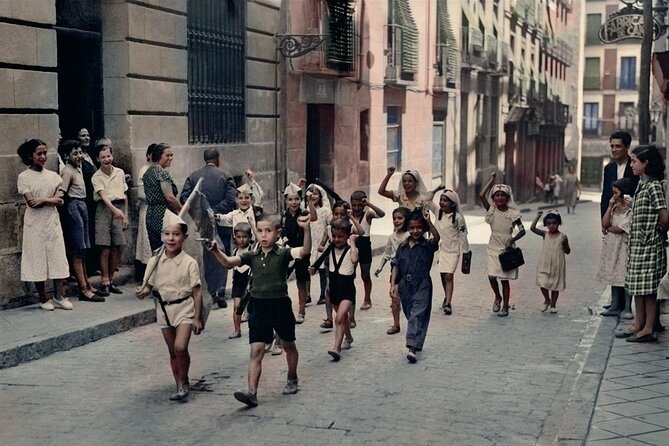
Plaza de España is where the walk really leans into Franco and the long fight for control. You’ll connect Francisco Franco to the defense of the capital and the idea of 900 days of siege, which turns the war from a quick headline into something that drags through everyday life.
The guide also brings in “Madrid under pumps,” a phrase that points you toward the practical pressure of siege conditions—how resources and routines get strained. It’s not just strategy; it’s people adapting, rationing, improvising, and living with uncertainty.
Wartime sayings and language show up here too. That may sound small, but it’s actually a useful way to learn: when you pick up the kind of phrases people used, you learn how minds processed fear, hardship, and propaganda.
This stop can be emotionally heavy, but it’s also where the tour feels most grounded. You’re not just learning what happened—you’re seeing how it affected the rhythm of a city.
Templo de Debod: Who Paid, Propaganda, and a Civil War Memorial
At Templo de Debod, the story turns from combat tactics to the economics and messaging behind the conflict. The themes here are strikingly direct: Who paid for the war? and Propaganda, framed as a war of ideas.
You’ll also look at the Temple of Debod and the sculpture dedicated to the Fallen of the Civil War. This is one of those moments where the guide slows the pace a little so the place can do some of the work. Memorials are never just about the past; they’re also about what a society chooses to remember (and how).
If you’re the kind of traveler who likes learning how politics travels through culture, this stop hits. Money, propaganda, and commemoration all connect—how people fund war, how they justify it, and how they later memorialize the cost.


Paseo del Pintor Rosales: Picasso, Guernica, and Art Under Fire
This part of the walk is for anyone who wonders what war does to creativity and public perception. The guide points you toward Picasso’s Guernica and the bombing of civilians—specifically how civilian suffering becomes a visual language and a political weapon.
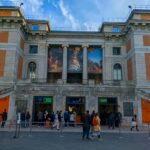
You’ll also get the idea of the Prado Museum through the lens of art under pressure. Even without going inside on this route, you’re learning how institutions and art can become targets, symbols, or survival tools during wartime.
One of the most interesting additions here is the theme of a breather: Christmas in Tregua. You’ll hear how there was a brief moment that interrupted the constant logic of conflict—an idea that helps you remember people still tried to be human, even while violence carried on.
This stop is usually a favorite because it connects the Civil War to global art history. Guernica isn’t just a famous painting; in this tour’s framing, it’s part of how the world understood the meaning of bombing.
Cuartel General del Ejercito del Aire: Medicine, Music, and the War-to-Dictatorship Turn
As you reach the Cuartel General del Ejército del Aire, the tour shifts again—this time toward what war does to bodies, minds, and the future. The guide uses themes like music and a phrase about they won’t happen, and it ties those ideas back into the larger mood of fear and manipulation.
Then comes one of the tour’s standout factual angles: the first remote blood transfusion and what that means for life in the middle of death. Even if you’ve heard bits of war medicine before, the way this is placed in the story helps you see it as more than a medical footnote. It’s human effort trying to outsmart brutality with science.
Finally, you’ll connect the end of the war with the start of WWII and the later dictatorship. That’s a big claim in plain terms, and the guide’s job here is to make it feel logical rather than dramatic—why one conflict bleeding into the next matters.
Arco de la Victoria: Should You Destroy or Preserve It?
The walk closes with the Victory Arch, the Arco de la Victoria, and it doesn’t treat monuments like they’re neutral. The guide prompts the idea of destroy or preserve it, then pushes you into reflections of wars—what physical structures mean after a society has moved on.
This is a good ending because it asks what you, as a visitor, do with memory. You can’t unsee the argument in a monument’s shape and placement. And you also can’t escape the fact that war leaves behind architecture, slogans, and symbols that outlast the people who built them.
If you want the tour to stick, this is where it does. You leave with a question you can use later when you see other contested history sites—not just in Madrid, but anywhere.
Price and Value: Why This Walk Feels Like a Bargain
At $3.62 per group (up to 15), this tour is priced in a way that’s hard to ignore. Even if you’re not splitting costs with a crowd, the value is in what’s included: a local guide plus exclusive material like maps, images, audio, and videos, and a link to personalized recommendations for what to do in Madrid.
You’re also not paying for entries to the stops. That matters because it keeps the experience focused on learning and viewing—so your 2 hours 30 minutes isn’t eaten by ticket logistics.
One small reality check: the experience is scheduled for about 2 hours 30 minutes, and it covers a lot of thematic ground. If you want slow, in-depth time at museums, you’ll still enjoy it, but plan to pair it with one or two separate museum stops afterward.
Also note that it tends to be booked about 16 days in advance on average. If you’re traveling in a busy season, booking early saves stress.
Who This Tour Is Best For (and Who Might Want a Different Plan)
This is a strong fit if you want to understand the Spanish Civil War in a way that connects streets, politics, propaganda, and art. You’ll especially enjoy it if you like learning through specific places rather than spending a day in one museum hall.
You’ll also like the emotional care built into the route—stories of civilians, memorials, and the human cost. The guide approach is praised for being friendly and for making the material feel real, not academic.
Where it might not be your match: if you want a mostly museum-based day with inside viewing and long stops, this walk is designed to be efficient and outside-focused. Also, because the topics involve bombing and dictatorship, it’s not a “light history stroll.”
Should You Book This Spanish Civil War Walking Tour?
I’d book it if your goal is clarity. This walk connects the Spanish Civil War’s beginning to the wider WWII-era consequences, using Madrid’s landmarks as anchors. The combination of guided storytelling plus downloadable-style materials (maps, images, audio, videos) makes it easier to remember the themes like Guernica, Franco, propaganda, siege life, and contested memory.
Skip it only if you’re specifically looking for lots of paid museum entry time or you want a softer, less intense tour theme. For most history-minded travelers, though, this is a very cost-effective way to turn Madrid into a living classroom.
FAQ
How long is the tour?
It runs for approximately 2 hours 30 minutes.
What does it cost?
The price is $3.62 per group (up to 15).
Is the tour offered in English?
Yes, it’s offered in English. You also get a mobile ticket.
Do I need to buy entries for the stops?
No. Entries to the sites are not included because they are not necessary for the tour.
How big is the group?
The tour has a maximum of 30 travelers.
Is free cancellation available?
Yes. You can cancel up to 24 hours in advance for a full refund.