REVIEW · MADRID
From Madrid: Private Tour to Toledo and Cuenca
Book on GetYourGuide →Operated by Amigo Tours Spain · Bookable on GetYourGuide
Two medieval cities, one smooth day. I like how this private tour lands you in Cuenca’s Hanging Houses and then shifts to Toledo’s old-street layers with a bilingual guide and real breathing room. It’s the kind of day that helps you see more than you could comfortably piece together on your own.
I also love the structure: guided time in both towns, then free time to wander, snack, and take photos at your pace. The photo moment over the San Martín Bridge area and the quick stop at Mirador del Valle are easy wins for people who care about getting great angles without hunting for them.
One possible drawback: the schedule is tight—about three hours in each city. And the Toledo portion is a walking route that focuses on key sights, but it doesn’t include the Alcázar or the cathedral interior, so plan ahead if those are must-dos for you.
In This Review
- Quick hits before you go
- A Private 11-Hour Loop: What You Really Get From Madrid
- Cuenca First: Hanging Houses and a Guided Walk That Sets the Stage
- Trabuco Street to the Parador: Reading Cuenca’s Layers Like a Pro
- Spending Your Free Hour in Cuenca Without Losing the Magic
- Toledo on Foot: Plaza de Zocodover to San Martín Bridge
- Toledo’s Three Cultures: What You’ll Actually See on This Route
- Mirador del Valle: The Quick Panorama That Makes the Day Click
- Price and Logistics: Is $1,851 Per Person Worth It?
- Comfort and Pace: The Stuff That Matters on a Long Day
- Who This Tour Fits Best (And Who Should Skip It)
- Should You Book This Toledo and Cuenca Day Trip?
- FAQ
- How long is the tour from Madrid?
- Is this a private tour?
- Which cities are included?
- How much time do you spend in each city?
- What languages are the guides?
- Do I have to pay for monument entrances?
- Is lunch included?
- Do you include pickup from my hotel?
- Does the tour include the Alcázar and the cathedral interior in Toledo?
- Is the tour suitable for people with mobility impairments?
Quick hits before you go
- Hanging Houses of Cuenca: the famous stone homes built over the gorge are built for photos and quick awe.
- First Gothic cathedral in Castile: you’ll learn why Cuenca’s cathedral style matters in Spanish architectural history.
- Trabuco Street and old power centers: the route in Cuenca connects Arab-era influence, castle remains, and later styles.
- Toledo’s three-culture story on foot: your walk connects Muslims, Jews, and Christians through real places in the city.
- San Martín Bridge photo time: you’ll get a targeted moment to frame the bridge and river curve.
- Mirador del Valle panorama: a short stop that helps you remember the city’s shape after you walk it.
A Private 11-Hour Loop: What You Really Get From Madrid
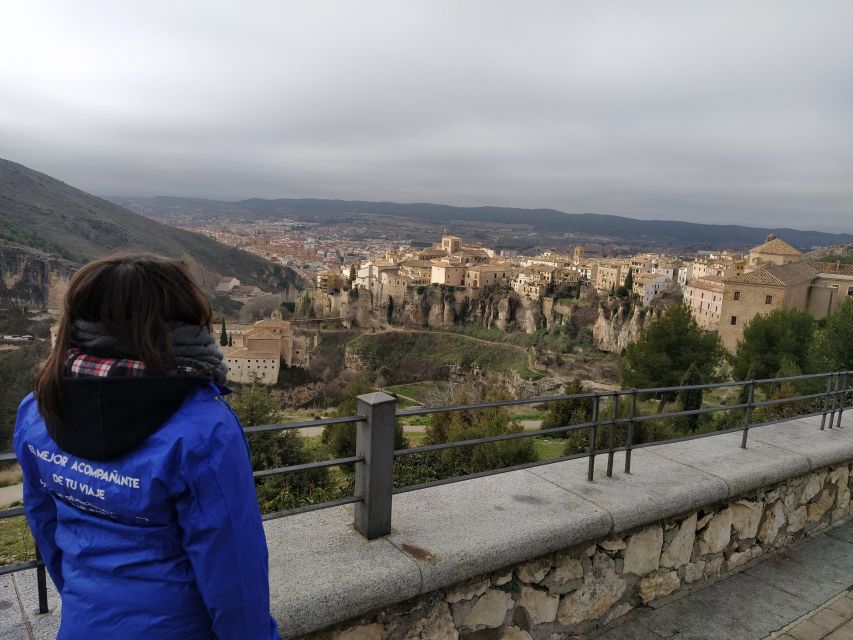
This is a full-day day trip built around two medieval cities that are close enough to fit in one schedule, but different enough to feel like you changed countries. You’ll leave Madrid early, ride in an air-conditioned vehicle, and have a guided plan that reduces the guesswork.
The big value here is time discipline. You won’t just “be in” Cuenca and Toledo—you’ll get guided context early, then free time to enjoy the views without stopping every two minutes to figure out what you’re looking at. If you like history but also hate spending half your day waiting for tickets, this format helps.
Also, it’s a private setup with hotel pickup within the city center (when your address is eligible). If you’re staying outside the pickup area, you’ll need to meet at Julio Camba Street. That door-to-door convenience can be worth a lot on a long day.
You can also read our reviews of more private tours in Madrid



Cuenca First: Hanging Houses and a Guided Walk That Sets the Stage
Cuenca is the kind of town that rewards good pacing. The tour starts with Cuenca while you’re still fresh, and you’ll get about one guided hour in the historic center. This is the part that pays off later, because you’ll understand the “why” behind what you see.
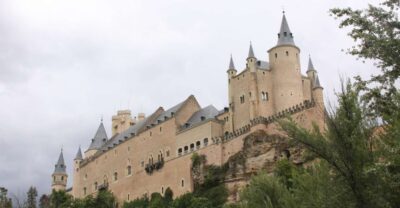
During the guided walk, you’ll spot the castle built during the era of Arab domination, walk through Trabuco Street, and learn how Cuenca’s religious architecture evolved into the neo-Gothic look. The standout in the guide’s explanation is the cathedral built in the Gothic style and described as the first Gothic cathedral built in Castile. That’s not trivia—it changes how you read the skyline when you look up.
Then comes the payoff: after the guided part, you get about one hour of free time. This is when you’ll take in the Hanging Houses—those famous buildings that appear to cling to the gorge. The key here is that you can slow down. You’ll have just enough time to find viewpoints, take photos, and enjoy the atmosphere without the guide rushing you along.
Practical note: Cuenca has slopes and uneven old-street footing. You’ll want comfortable shoes, because you’re going to walk more than you expect for an “easy” day trip.
Trabuco Street to the Parador: Reading Cuenca’s Layers Like a Pro
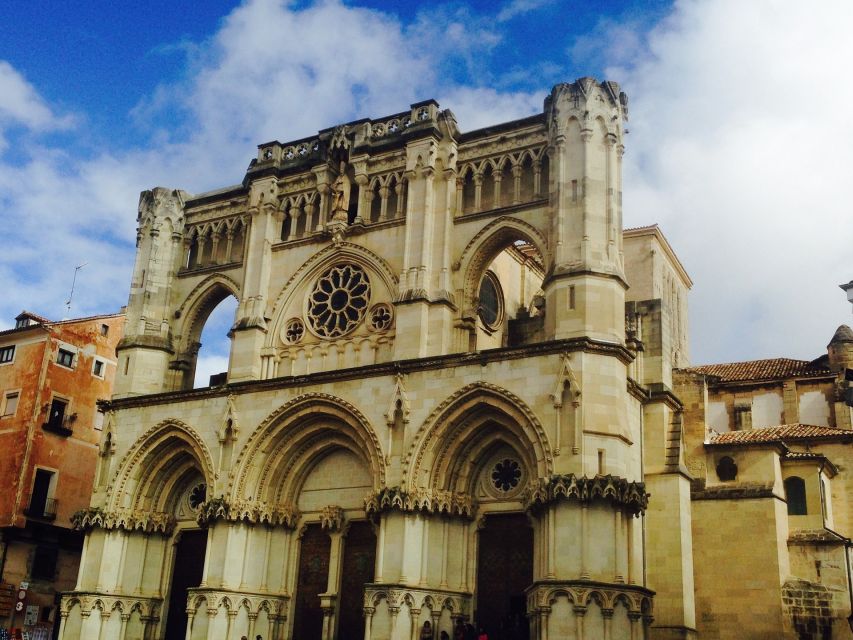
What I like about the Cuenca section is that it’s not just a checklist of landmarks. The walk connects power, religion, and geography. The castle story ties into Cuenca’s strategic importance, and Trabuco Street gives you the compact, medieval feel of how people actually moved through the city.
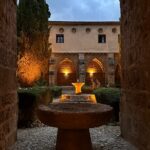
Then the tour nudges you toward a big visual anchor: the Parador de Cuenca, described here as a 16th-century monastery. Even if you don’t go inside (entrance fees aren’t included), knowing what the building used to be helps you understand why it looks the way it does and why it stands out in the city’s visual rhythm.
Cuenca’s charm is partly theatrical. The gorge and the way buildings hover give you a built-in “stage.” But the guided hour makes sure you don’t just see it—you get the story behind it, so it feels earned instead of accidental.
Spending Your Free Hour in Cuenca Without Losing the Magic
Your free time in Cuenca is around one hour, so the goal isn’t to do everything. It’s to do the right things calmly. Here’s how I’d spend it if you want the best return on effort.
First, make sure you get close enough for a good view of the Hanging Houses. Then, take a lap back toward the historic center. You can usually tell what’s worth stopping for when you compare what your guide pointed out with what you now see with your own eyes.
Second, pause for your own pacing. You don’t have to stick to a plan that was designed by someone else. In a day trip like this, that one hour can feel either perfect or too short. With this schedule, it’s best if you treat it like a slow photo walk plus one or two stops you care about.
If you love architecture, keep an eye out for how the cathedral and surrounding streets frame each other from different angles. Cuenca rewards that kind of “walk, look up, re-aim your camera” strategy.
Toledo on Foot: Plaza de Zocodover to San Martín Bridge
Toledo changes the mood. Where Cuenca feels dramatic and steep, Toledo feels like a city of corridors—streets that channel you through layers of time. You’ll start with about one hour of free time for food and wandering, then you’ll meet your guide for a walking tour of about 75 minutes.
You begin in Plaza de Zocodover, which makes sense: it’s the kind of central square where you can orient quickly. From there, your guide’s route passes major sights such as Calle Comercio, the Cathedral, and notable neighborhoods tied to the city’s multicultural past.
Then you finish with a photo-focused stop at San Martín Bridge, followed by a quick panoramic break at Mirador del Valle. That order works well. Walking comes first, so you understand what you’ve been looking at. The bridge photo comes after, when you’re ready to frame the scene.
If your legs are tired, that’s where the schedule is kind: you’re not left wandering for long stretches at the end. You get your best view moments and then you’re ready for the ride back to Madrid.





Toledo’s Three Cultures: What You’ll Actually See on This Route
Toledo’s big selling point here isn’t just that it has a layered past—it’s that your walking route is designed to help you see the traces. The tour description emphasizes a period when Muslims, Jews, and Christians lived in harmony, and the guide connects that theme to specific places.
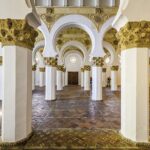
Along the walk, you’ll pass key stops linked to different communities, including San Tomé and Santa María la Blanca. You’ll also see the Cathedral area, plus Calle Comercio, a useful corridor for understanding how the city functions as a historic shopping and passage route.
What’s valuable is the way the guide uses those stops to create meaning. A building alone can feel like a photo stop. But a route that points out what each place represents gives you a mental map you can carry home.
One consideration: this itinerary doesn’t include everything. A review included with the provided info notes that Alcázar and the cathedral interior aren’t part of the Toledo tour. So if you consider either of those non-negotiable, you’ll want a separate plan or extra time in Toledo beyond this day trip.
Mirador del Valle: The Quick Panorama That Makes the Day Click
Near the end, you’ll get a short stop at Mirador del Valle. It’s only about five minutes, but it’s the kind of “quick reframe” moment that helps you stop thinking in street-level details and start seeing the city as a whole.
I like these micro-pauses on long tours because they prevent a common problem: people rush through a city, then realize later they never truly understood how it sits in the valley. This is a small fix. Even if you only take one solid photo, you’ll remember the city’s shape.
Also, the river curve and the steep setting are easier to appreciate after you’ve walked the streets. That makes the panorama less “random” and more like a final chapter.
Price and Logistics: Is $1,851 Per Person Worth It?
At $1,851 per person, this is not a casual budget day trip. The value proposition is what you’re buying: a private guided experience, hotel pickup, and an air-conditioned vehicle doing the driving so you can focus on the cities themselves.
That said, cost is personal. If you’re traveling as a pair or small group and you want one guide, one plan, and no navigation stress, the price can start to feel more reasonable—because your time and effort are doing less work. If you’re solo and price sensitivity is high, you might feel like you’re paying a premium for convenience you could partially replicate.
The other practical part: entrance fees and food aren’t included. That means your total spending will depend on what you choose to enter. The tour does give you time for lunch, but it’s still your lunch to manage. I’d build a small budget for at least a meal and any monument tickets you decide are worth it.
Also, because it’s a private group with a guide, you should assume the schedule is tighter than a freeform day. If you like unstructured wandering for hours, this might feel a bit “guided” at key moments.
Comfort and Pace: The Stuff That Matters on a Long Day
This tour runs about 11 hours, with roughly three hours in each city. That’s the balance: enough time to see the important stuff with context, not enough time to go deep into every building you might want to enter.
Expect stops along the way that help you reset. One of the provided reviews specifically praised that breaks for bathrooms were sufficient and lunch time felt long enough to eat comfortably. That matters more than people think. On an 11-hour route, small practical breaks make or break your energy.
You’ll also have free time in both Cuenca and Toledo—so you’re not trapped in a group line the entire day. In theory, you can use that time for photos, snacks, shopping for small souvenirs, or just a quiet walk.
One drawback to plan for: it’s not suitable for people with mobility impairments. With cobblestones, steps, and uneven streets in both cities, it’s a realism issue, not a “maybe it’ll be fine” issue.
Who This Tour Fits Best (And Who Should Skip It)
This experience fits best if you:
- Want guided context for two major medieval cities without doing the research yourself.
- Like photography but don’t want to spend hours figuring out where the best viewpoints are.
- Prefer one coordinated day over splitting into two separate trips.
It may be less ideal if you:
- Care most about interior visits, like the cathedral interior or Alcázar in Toledo, since this itinerary doesn’t include them.
- Need mobility-friendly routes.
- Want lots of free time with no schedule at all. You’ll have free time, but it’s timed.
If you’re the type who loves reading the story behind architecture—Arab-era influence, gothic evolution, and Toledo’s multi-community legacy—you’ll get more out of the guided pieces than you would with a simple shuttle.
Should You Book This Toledo and Cuenca Day Trip?
If you’re craving a “big medieval day” from Madrid and you want a guide to translate the streets into meaning, I’d say this is a strong choice. The Cuenca Hanging Houses moment plus Toledo’s Plaza de Zocodover to San Martín Bridge walk gives you two iconic looks in one go, with free time to enjoy them properly.
Just be honest with yourself about priorities. If Alcázar or the cathedral interior are top on your list, this route won’t scratch that itch. And if you’re on a tight budget, the price will likely feel steep unless you’re dividing it with a travel partner and valuing the private-door convenience.
If those caveats don’t bother you, book it. It’s the kind of day trip that feels designed for people who want history, good photos, and minimal stress.
FAQ
How long is the tour from Madrid?
The tour lasts about 11 hours.
Is this a private tour?
Yes, it’s a private group experience with a live guide.
Which cities are included?
You’ll visit Cuenca and Toledo.
How much time do you spend in each city?
It’s approximately 3 hours in each city.
What languages are the guides?
The live guide speaks Spanish and English.
Do I have to pay for monument entrances?
No. Monument entrance fees are not included.
Is lunch included?
Food and drink are not included, but you’ll have time to buy and enjoy your own lunch.
Do you include pickup from my hotel?
Pickup is included if your hotel is inside Madrid’s city center. If not, you’ll meet at Julio Camba Street.
Does the tour include the Alcázar and the cathedral interior in Toledo?
The Toledo walking tour focuses on major sights and doesn’t include the Alcázar or the cathedral interior.
Is the tour suitable for people with mobility impairments?
No, it’s not suitable for mobility impairments.