REVIEW · MADRID
Madrid: Guided Tour of Reina Sofía Museum with Entry Ticket
Book on GetYourGuide →Operated by The Guides You Need, S. L · Bookable on GetYourGuide
Guernica lands differently with a guide. This skip-the-line experience brings you into Madrid’s Reina Sofía faster, then keeps things focused with a small group (up to 6) and about ninety minutes of art-and-history storytelling.
I like that the guides don’t just point at famous works. They explain the why behind the art, including how Spanish culture and politics shaped what you see. One practical watch-out: since the tour is short, you’ll still need time to explore the rest of the museum on your own afterward.
A big reason this tour feels worth it is the way the guide builds a clear thread. Guides like Alex, Stefania, Stefania, and Stephi have a knack for turning modern art into a timeline you can actually follow, often tying the story toward the Spanish Civil War and Picasso’s Guernica.
That means you’re not walking through a museum of big names and hoping it clicks. You get help making sense of style changes, social events, and how artists respond to real world pressure.
In This Review
- What You’ll Love About a Reina Sofía Guided Tour (and Why It Matters)
- Skip-the-Line Comfort: Small Group Size and the Real Time Budget
- Meeting at the Main Gate: Start Smooth, Not Stressed
- Inside Reina Sofía: What the Tour Focuses On
- The “Narrative Thread” Method: How Guides Make Modern Art Click
- A Typical Walk Through: How 90 Minutes Plays Out
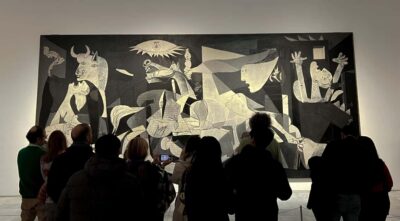
- Guernica and the Spanish Civil War Context: Why This Tour Emphasizes It
- After the Tour: Using Your Time Back in the Galleries
- Museum Rules That Affect Your Visit (Plan Around Them)
- Wheelchair Accessible, English or Spanish
- Price and Value: Why $59 Can Feel Fair
- Who This Tour Is Best For
- Should You Book This Reina Sofía Guided Tour?
- FAQ
- How long is the guided Reina Sofía tour?
- What’s included in the ticket price?
- Do I need hotel pickup?
- Where do I meet the guide?
- What languages are the tours offered in?
- How many people are in the group?
- Is the experience wheelchair accessible?
- Are there any rules inside the museum?
What You’ll Love About a Reina Sofía Guided Tour (and Why It Matters)
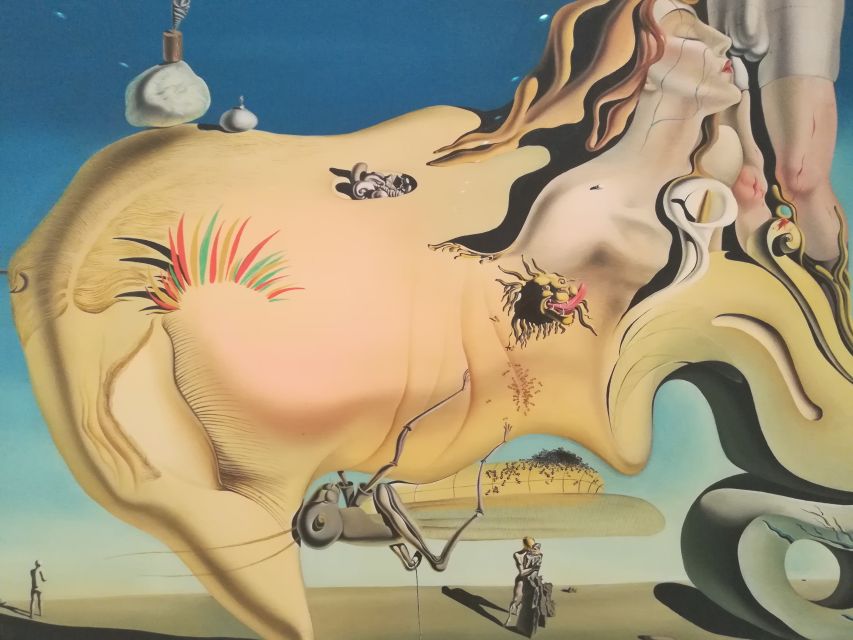
Reina Sofía is not “just paintings on walls.” It’s the national museum of 20th-century art, so the works often react to upheaval: war, ideology, new technology, shifting identities, and changing ideas about what art should do. If you’re excited by that kind of context, a guide turns the museum from scattered highlights into something coherent.
I also like the practical feel of this format. The tour is small group, so you can ask questions and hear the guide clearly. And because it includes your entry ticket and skips the tickets line, you lose less time to Madrid queues and more time looking at art.
Skip-the-Line Comfort: Small Group Size and the Real Time Budget
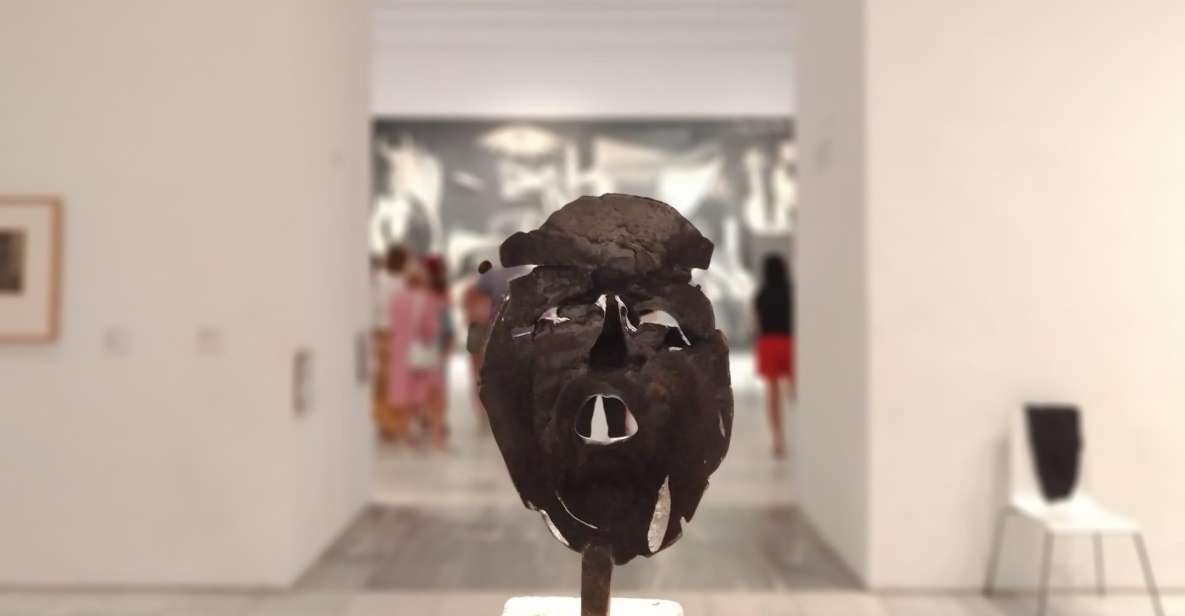
This tour is listed as about 1.5 hours, which is the sweet spot for people who want real interpretation without losing the whole day in galleries. Your schedule will feel tight only if you plan to do everything else right after—so I’d build in a buffer for museum wandering and restroom breaks (because you’ll want them).
The group cap at 6 participants is important. In a big group, you often spend your time trying to keep up. Here, the guide can slow down when someone asks something, and you’re more likely to hear the story behind each room.
At $59 per person, the value comes from two things you’d otherwise have to solve separately: you get the entry ticket and you get a professional guide. If you were going to buy tickets anyway, the guide component is what you’re paying for—and the reviews are consistent that the explanation is the point.
You can also read our reviews of more tours and experiences in Madrid


Meeting at the Main Gate: Start Smooth, Not Stressed
You meet at the main gate of the Reina Sofía Museum. That’s helpful because the museum can feel like a maze once you’re inside, and starting at a known point keeps your arrival calm.
A practical tip: arrive a little early. Even with skip-the-line access, you’ll want a minute to confirm you’ve found the group and settled before entering. Once you’re inside, the guide typically sets the tone fast—so you’ll know what to watch for instead of staring at labels like they’re a puzzle you didn’t agree to solve.
Inside Reina Sofía: What the Tour Focuses On
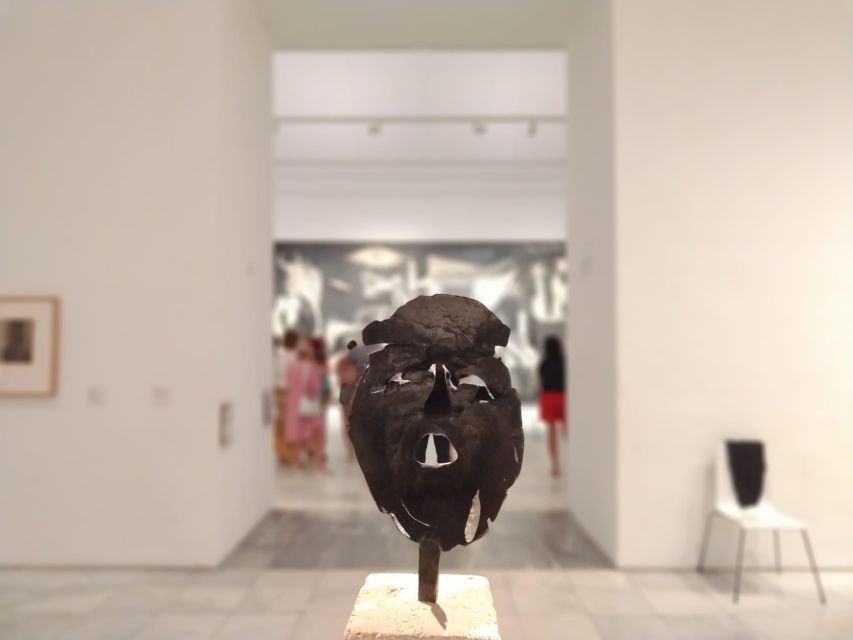
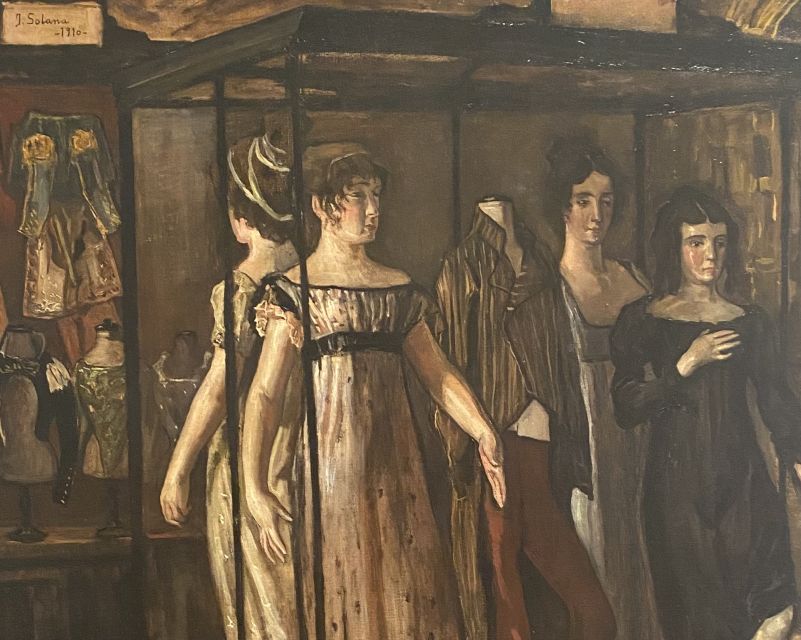
Reina Sofía is known for major artists—Picasso is the headline name, and the museum’s collection also includes work by artists such as Solana. But the smart part of this guided experience is that it doesn’t treat the museum like a greatest-hits album.
The guide approach is story-based. In one consistent pattern, the tour connects changes in painting to political and cultural events, pushing toward the era of the Spanish Civil War and culminating in the impact of Guernica. That doesn’t mean the tour only talks about Guernica. Guides often point out how other artists, styles, and techniques set up why Guernica hits the way it does.
The “Narrative Thread” Method: How Guides Make Modern Art Click
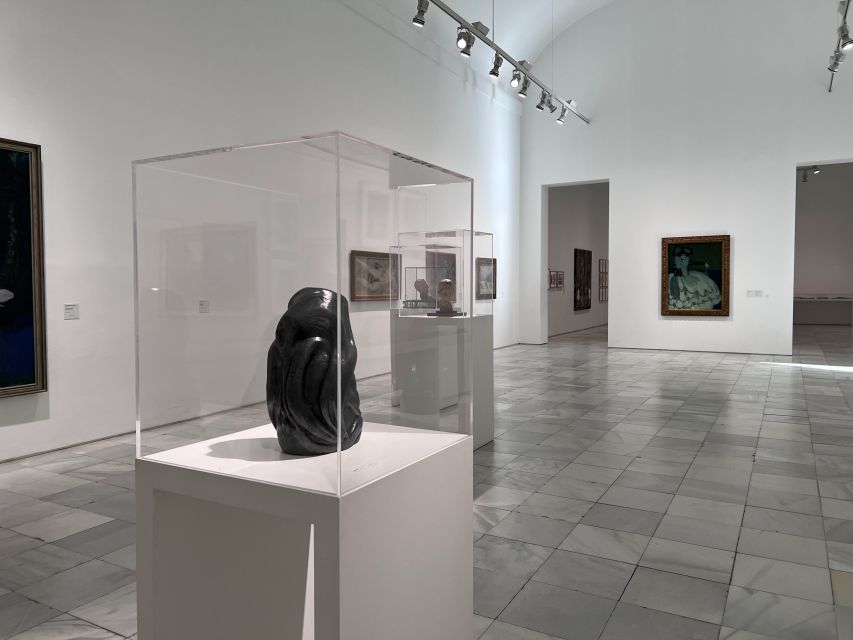
If modern art feels confusing, it’s usually because you’re missing the “why now?” part. This tour’s strongest element is how guides explain complicated topics in a way that feels comfortable and understandable.
You can see this in the way different guides have led tours. Alex has a clear ability to shape a coherent narrative that leads you to Guernica with context, not just admiration. Stefania and Stephi’s tours are repeatedly described as a condensed lesson in painting history across major decades, including the political, social, economic, and cultural background that shaped what artists were trying to do. Belen and Natalia are also praised for clear storytelling and for choosing meaningful artworks rather than listing names.
For you, the practical payoff is simple: you leave with mental handles. You’ll be able to look at a work and ask better questions, like:
- What is this responding to?
- How does the style match the moment?
- Why would an artist choose this technique?
A Typical Walk Through: How 90 Minutes Plays Out
The itinerary is straightforward: you enter, tour the museum, and focus on the most important works and themes. What makes it feel special is the route style—your guide moves you through rooms in a way that helps you understand art progression rather than just collecting impressions.
Here’s what that usually looks like in your ninety minutes:
1) Orientation and context: The guide sets up the “rules” of the story—how 20th-century art in Spain is tied to culture and politics.
2) Key works with close reading: Famous pieces get attention, including Picasso’s Guernica, but you’ll usually get more than one angle on it.
3) Less-famous works that explain the big ones: This is where the tour avoids the “only the headline poster” problem. You’re often shown how other artists and styles lead up to what you’re seeing.
4) Wrap-up that helps you continue: Even if you stop listening, you’ll know where to look next on your own.
Because you’re in a small group, the guide can adjust the pacing. If you’re the type who wants questions answered right away, this format is built for that.
You can also read our reviews of more guided tours in Madrid



Guernica and the Spanish Civil War Context: Why This Tour Emphasizes It
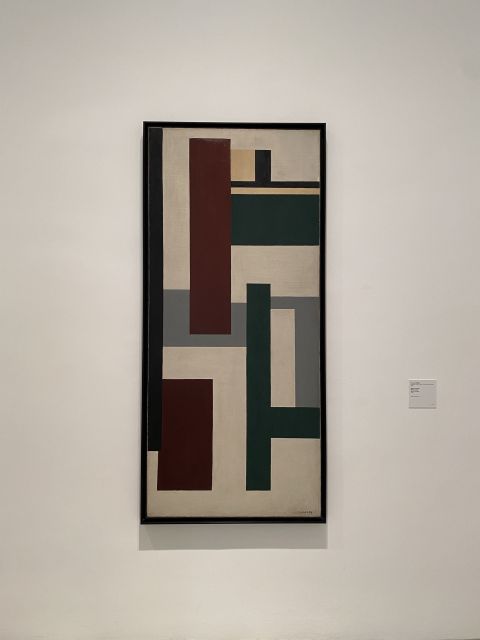
Picasso’s Guernica is the big magnet, and it’s hard not to fall in love with it instantly. But without context, it can still feel like a powerful image you don’t fully “read.”
This tour’s emphasis on the Spanish Civil War context helps. When the guide explains how art evolved in response to political and social events, Guernica stops being an isolated masterpiece and starts becoming a consequence of its time. That shift changes how you look—your attention moves from what you see to what it’s doing.
After the Tour: Using Your Time Back in the Galleries
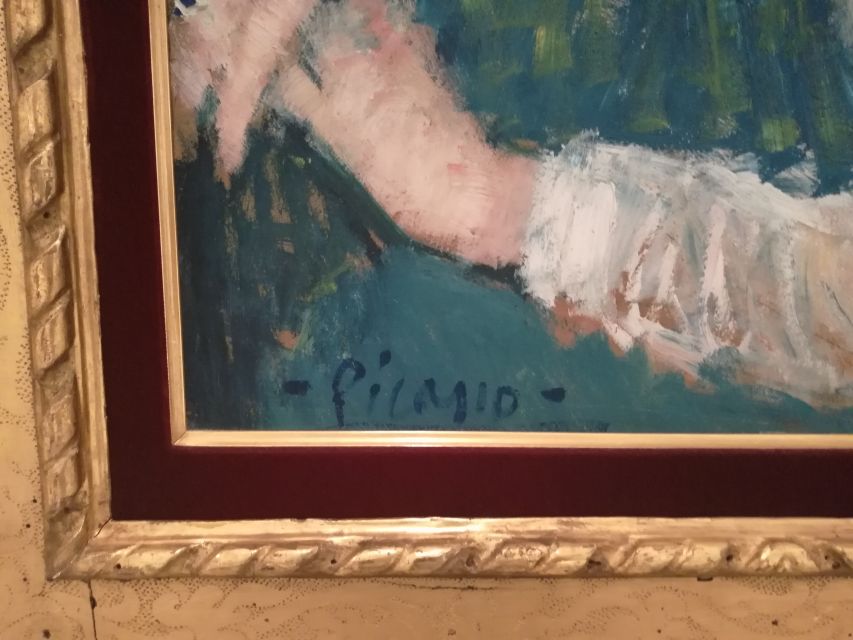
One underrated benefit of a guided tour like this is what it does to your self-guided time afterward. Once you’ve had the narrative thread, you can roam with purpose instead of drifting.
You’ll likely want to go back to certain rooms you passed through while listening. If your guide spent more time on the lead-up themes, you’ll have the context needed to appreciate adjacent works. If your guide focused more tightly on specific artists or techniques, you’ll still have a map in your head—even if Reina Sofía feels like a maze on foot.
A practical approach: after the guided portion ends, give yourself another chunk of time to explore quietly. This isn’t about seeing every painting. It’s about returning to what sparked questions during the tour.
Museum Rules That Affect Your Visit (Plan Around Them)
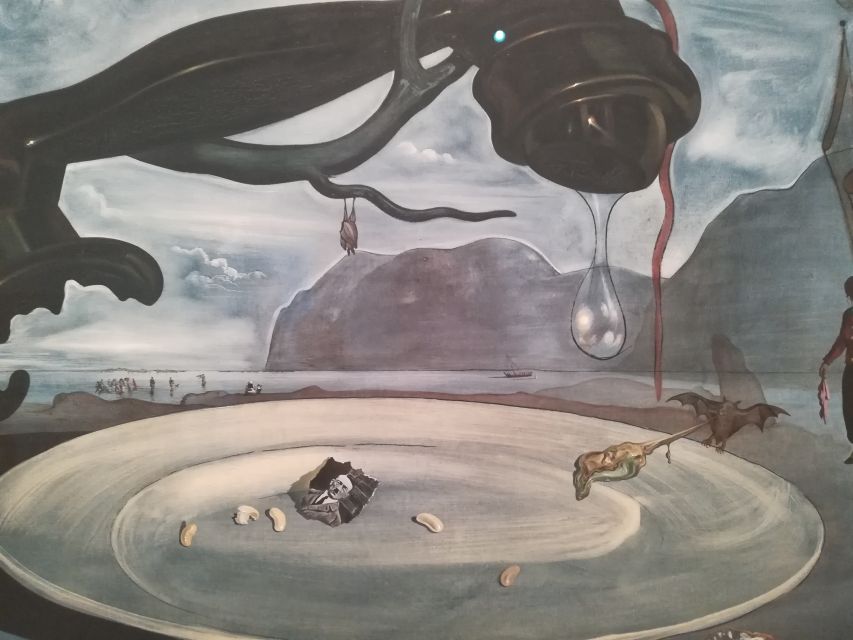
Reina Sofía’s in-museum rules are clear, and they shape your experience. You can’t bring or use food and drinks, you can’t use flash photography, you can’t bring plastic bottles, and you’re not allowed to touch exhibits.
This matters for comfort and flow. If you like to snack while you browse, you’ll need to adjust—either eat before you go in or plan a break outside. If you shoot lots of photos, remember that flash restrictions mean you’ll rely on available light and your camera’s normal settings.
Wheelchair Accessible, English or Spanish
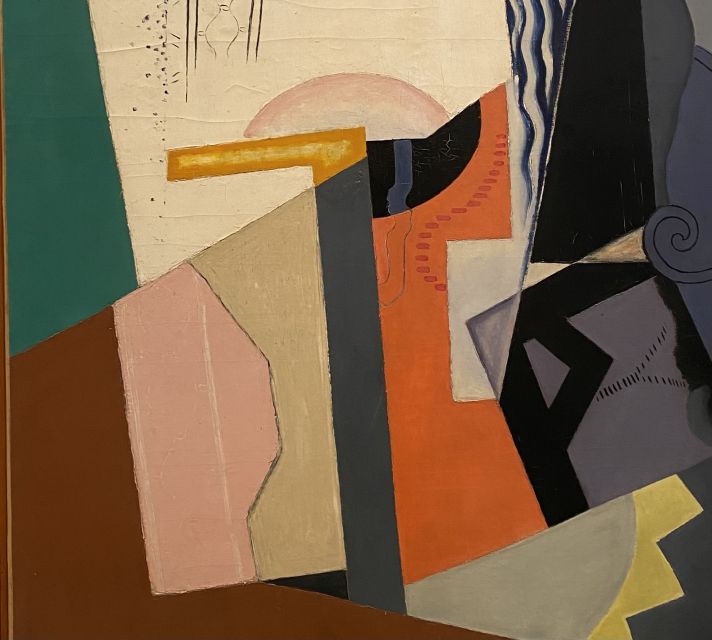
This tour is wheelchair accessible, which is a big plus for mobility planning in a large museum. Language options are English and Spanish, and the guide team is trained to explain complex ideas in a way that keeps the room comfortable.
If you’re traveling with mixed-language needs, this is also a friendly setup. You won’t have to translate everything from labels on your own.
Price and Value: Why $59 Can Feel Fair
Let’s talk money in a real way. At $59 per person, you’re paying for three concrete items: skip-the-ticket-line access, your entry ticket, and a professional guide for about 1.5 hours.
If you try to do it alone, you pay the ticket anyway, and you end up spending time doing interpretive work yourself—reading labels, comparing context, and guessing how the museum wants you to connect themes. The guide saves you that mental overhead. And because the group is small, you’re not stuck in a lecture you can’t hear.
Where value can drop is in your personal preference. If you already know the history deeply and you simply want to wander freely with minimal structure, you might not feel the guide is necessary. But if you want to understand why the art looks the way it does—especially around major landmarks like Guernica—this price looks more reasonable.
Who This Tour Is Best For
This guided Reina Sofía experience fits best if:
- you’re interested in Spanish art history and want more than a quick highlight run
- you like museums when they explain the “why,” not just the “who”
- you want a clear path through a museum that can otherwise feel overwhelming
- you’re short on time and want the most useful art context in about ninety minutes
It’s also a good choice if you enjoy strong guide personalities and storytelling. Guides such as Alex, Stefania, Stephi, Belen, and Natalia show up in the tour experiences with a clear pattern: they teach by building a timeline and connecting artworks to real events.
Should You Book This Reina Sofía Guided Tour?
My take: this is an easy yes if you want help making modern art feel understandable and meaningful. The skip-the-line, small group format, and the guide-led narrative (especially around Guernica and Spanish Civil War context) are exactly the combination that turns a museum visit into a learning experience you’ll remember.
I’d hesitate only if your main goal is total freedom to wander at your own pace with no interpretation. In that case, self-guided museum time could suit you better. But if you want your first (or most important) Reina Sofía visit to land with context, this is a strong bet.
If you can, book with flexibility. The option for free cancellation up to 24 hours in advance and reserve now, pay later makes it easier to line up with the rest of your Madrid plans.
FAQ
How long is the guided Reina Sofía tour?
The tour lasts about 1.5 hours.
What’s included in the ticket price?
Your price includes the entry ticket to the museum and a professional live guide.
Do I need hotel pickup?
No. Hotel pickup and drop-off are not included.
Where do I meet the guide?
You meet at the main gate of the Reina Sofía Museum.
What languages are the tours offered in?
The live tour guide is available in English and Spanish.
How many people are in the group?
The tour is a small group limited to 6 participants.
Is the experience wheelchair accessible?
Yes, the tour is wheelchair accessible.
Are there any rules inside the museum?
Yes. Food and drinks are not allowed, flash photography is not allowed, plastic bottles are not allowed, and you can’t touch the exhibits.