REVIEW · MADRID
Madrid: Historical Center 2.5-Hour Guided Walking Tour
Book on GetYourGuide →Operated by Babylon Tours Madrid · Bookable on GetYourGuide
Madrid’s streets pack centuries into a short walk. This 2 to 2.5-hour guided route moves fast in the best way, layering medieval streets with Habsburg and Bourbon power while you get close to major sights like Plaza Mayor and Almudena Cathedral. I love how the guide connects buildings to real characters, so you’re not just looking at stone—you’re learning why Madrid grew where it did. I also like the mix of monuments and everyday life, with a stop at San Miguel Market where locals do normal, daily things right in the middle of the tourist zone. One thing to keep in mind: it’s a moderate walking route, and some sites can’t be entered from the inside due to security measures.
If you want context without a full day of museum time, this tour hits the sweet spot. You’ll cover big royal-story moments like Royal Palace area views and the gardens near Plaza de Oriente, plus a few quirky highlights such as the Casa de la Panadería and the site tied to the world’s oldest restaurant. The drawback for some people is practical: no large bags or luggage are allowed, and the route isn’t recommended for wheelchair users (though wheelchair-friendly tours are available on request).
2.5 hours is enough to feel grounded in Madrid’s old center, not just impressed. It’s also designed for small groups (up to 10), which helps the guide keep the pace clear and questions on-topic. Still, you’ll want comfortable shoes and some basic weather prep, since the walking is steady and the route may shift during national celebrations.
In This Review
- Key Points You’ll Care About
- A 2.5-Hour Loop That Explains Why Madrid Looks Like Madrid
- Plaza Mayor: Madrid’s Grand Public Square Moment
- Santa Cruz Palace and the Baroque Face of Power
- Almudena Cathedral: Up Close and Not Just From the Farther View
- Casa de la Panadería: The Bakery House With a Tour-Office Twist
- San Miguel Market: Fresh Produce and Everyday Madrid
- Habsburg Madrid and the Site Linked to the World’s Oldest Restaurant
- Bourbon Royal Power: Royal Palace Views and Plaza de Oriente Gardens
- Napoleon’s Brother’s Gardens: The Detail Stop That Makes the City Feel Lived-In
- How Long You’ll Walk, What to Bring, and What to Expect on the Ground
- Price and Value: Is $50 Worth It for Madrid’s Historic Center?
- Who This Tour Fits Best (and Who Might Want Another Option)
- Should You Book This Guided Walk?
- FAQ
- How long is the Madrid Historical Center guided walking tour?
- Where does the tour start and end?
- Is the tour private or a small group?
- Is food included in the price?
- What languages are available for the live guide?
- What should I bring with me?
- Can I bring luggage or large bags?
- Is this tour wheelchair accessible?
Key Points You’ll Care About
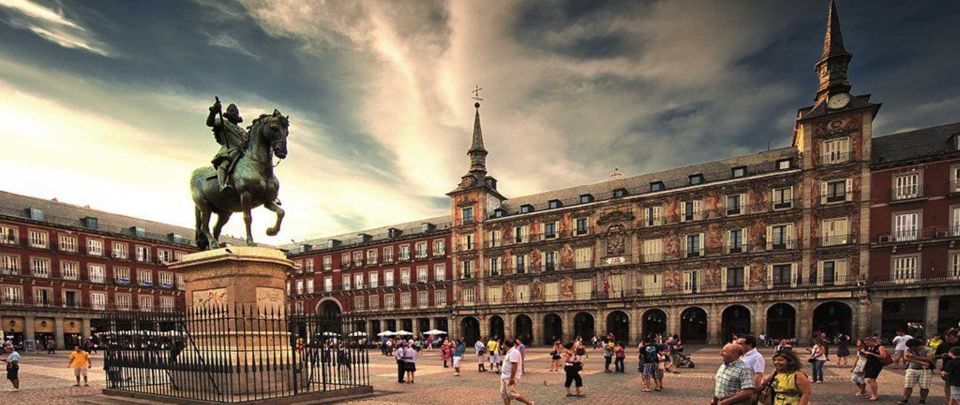
- Plaza Mayor + Almudena Cathedral up close: you’ll see the city’s public-square drama and its grand Baroque-style presence without rushing.
- San Miguel Market is part history, part real life: fresh produce and everyday shopping make the tour feel less staged.
- Royal Palace area views and Plaza de Oriente gardens: you get the Bourbon era flavor and the palace-adjacent garden mood in one loop.
- Small-group size (max 10): more personal guiding, less “herding cats” energy.
- Quirky stops like Casa de la Panadería: the story behind the building keeps the tour lively and memorable.
A 2.5-Hour Loop That Explains Why Madrid Looks Like Madrid
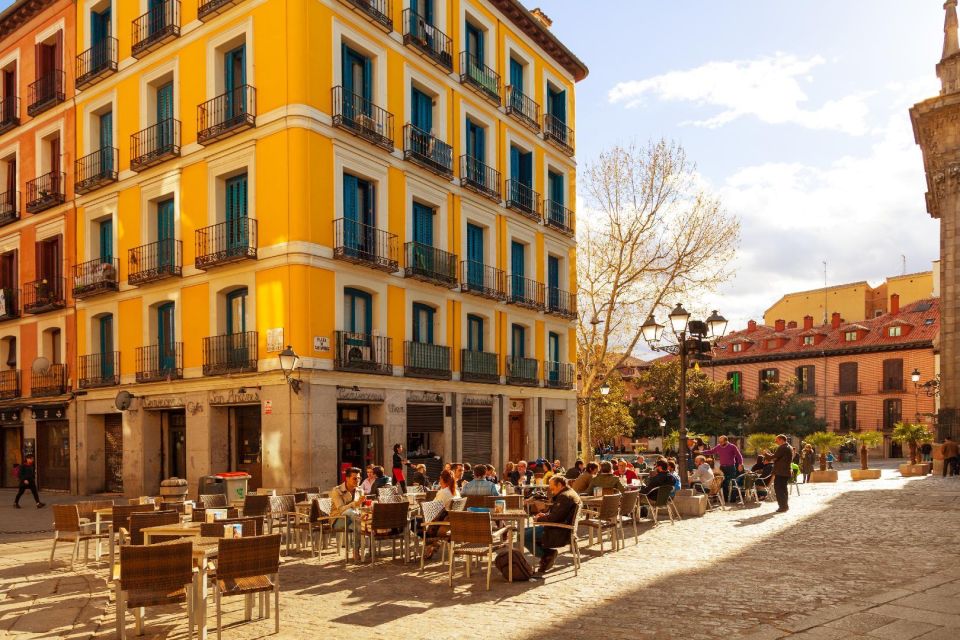
This is a guided walking tour that’s built for orientation. In about two and a half hours, you move through the historic center in a way that explains how Madrid became a seat of power—and how daily life kept happening alongside royal politics.
I like that it doesn’t treat Madrid as one giant museum. Yes, you’ll see the big-name sights, but you’ll also slow down for smaller curiosities, like the Casa de la Panadería (the bakery house where the tourist office is located) and a stop at San Miguel Market where you can watch locals shopping. That balance matters because Madrid can feel overwhelming if you only chase landmarks. This route gives you a storyline you can reuse later when you’re on your own.
Just note the reality of touring: some attractions can’t be visited from the inside due to increased security measures. That doesn’t kill the value, but it does mean your best experience comes from what you see up close and the explanations you hear along the way.
You can also read our reviews of more walking tours in Madrid



Plaza Mayor: Madrid’s Grand Public Square Moment
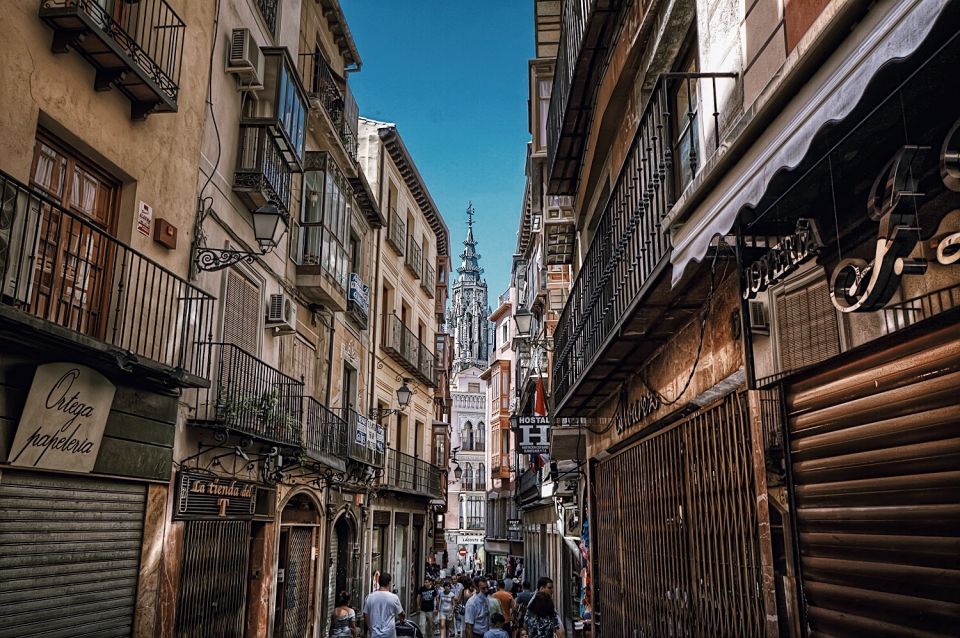
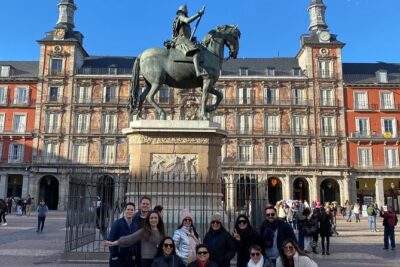
Your walk typically starts by stepping into the center of Madrid’s old public life at Plaza Mayor. This is one of those places where you immediately get the sense that power and people shared the same space. It’s not just pretty architecture—you can feel how a city used a major square for gatherings, proclamations, and everyday crowd life.
On a guided route like this, Plaza Mayor works as a foundation stop. It’s early enough that you’ll still be fresh, and it gives you a reference point for everything else that follows. When you later hear about Habsburg rulers or Bourbon changes, you’ll be able to picture the political and cultural weight behind the city’s shape.
If you’re the type who likes to understand “why this place exists,” you’ll appreciate that the guide doesn’t treat Plaza Mayor as a postcard. Instead, you’ll learn how Madrid’s eras of rule influenced the city’s public spaces.
Santa Cruz Palace and the Baroque Face of Power
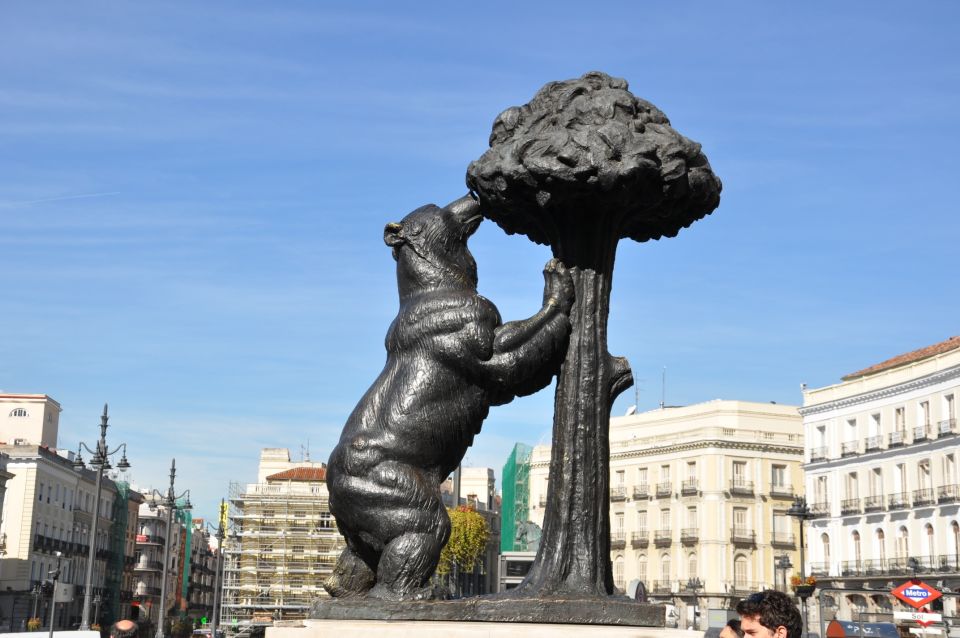
From Plaza Mayor, the tour turns toward palace-related streets and the kind of architecture that signals prestige. You’ll see the Baroque façade of Santa Cruz Palace, and this is one of those moments where the guide’s explanations help you read the building.
Baroque design can look like decoration until someone tells you what it was doing. Here, it’s tied to Madrid’s history and its ruling class. You’ll get the sense of how Madrid presented itself—formal, dramatic, and meant to impress visitors and residents alike.
This stop also helps with pacing. It gives you a “looking + learning” moment without requiring an indoor visit. That’s useful if you’re traveling with limited time or you’d rather spend your energy walking the outside streets, soaking in details, and letting the guide do the heavy lifting.
Almudena Cathedral: Up Close and Not Just From the Farther View
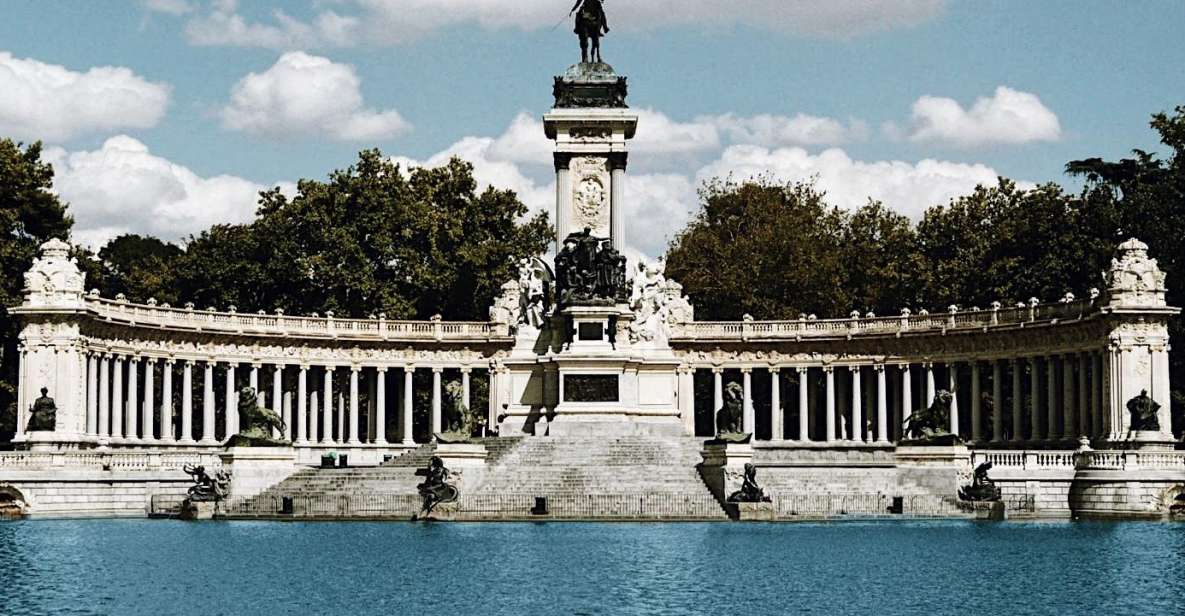
Next comes Almudena Cathedral. The tour is designed so you can admire it up close rather than seeing it only from a distance. That matters, because cathedrals look different when you’re near them—the scale, the façade, and how it sits in the street context all come into focus.
This is also where the story layer becomes more satisfying. The guide’s talk helps you connect the cathedral to the city’s changing identity over time. Madrid isn’t just one era; it’s a stack of them. Almudena is part of that stack.
Practical note: since some sights can’t be entered, your goal here should be observation. Bring your “slow down and look” mindset. This is one of those stops where a good guide changes your experience from “I saw it” to “I understand why it’s there.”
Casa de la Panadería: The Bakery House With a Tour-Office Twist
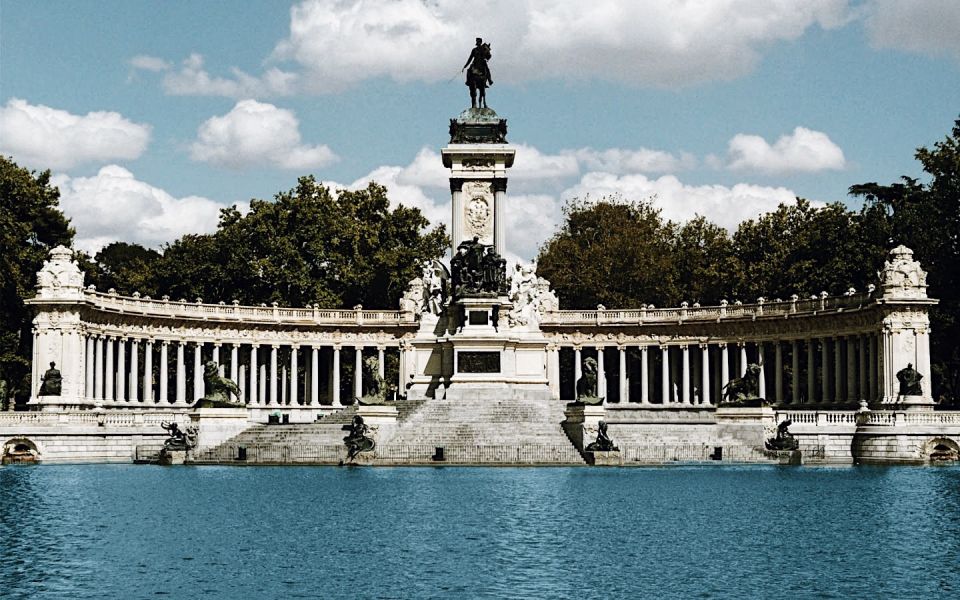
One of the more memorable and unusual highlights is the story around Casa de la Panadería. You’ll learn the curious background of the bakery house where the city’s tourist office is located.
This kind of stop is a gift. It breaks the pattern of royal buildings and major churches and adds something human: a place tied to daily needs and local life, later repurposed in a way that still serves visitors.
I like that it gives you a reminder that history isn’t only about kings and palaces. It’s also about how cities use space over time—how one building function can change while the structure remains familiar.
If you enjoy quirky facts you can repeat later (the kind that makes dinner conversation better), this stop is worth the price of admission by itself.
You can also read our reviews of more guided tours in Madrid


San Miguel Market: Fresh Produce and Everyday Madrid
Then you hit San Miguel Market, and this is where the tour shifts gears in a smart way. The market stop is designed to show you what daily life looks like in the historic center, not just what famous travelers might have seen long ago.
You’ll watch locals going about everyday routines, and you’ll notice the emphasis on fresh produce. It’s a lively setting, but it doesn’t require you to turn it into a full food mission—remember, food and drinks are not included, so you control what you buy.
What I like about including a market in a history-focused walk is that it refreshes your brain. After royal stories and big architecture, this is sensory and immediate. The guide also helps you place the market area in the city’s modern rhythm, which makes Madrid feel real instead of frozen in time.
One caution: bring your money for what you choose to snack on. If you were expecting the tour price to cover tastings, it won’t.
Habsburg Madrid and the Site Linked to the World’s Oldest Restaurant
The guide then moves into the Habsburg rulers of the 16th and 17th centuries—an era that shaped how Madrid functioned as a center of European influence. You’ll get your bearings on how those rulers affected the city’s identity, including why certain power structures and cultural norms took hold.
One standout story connected to this portion is the site tied to the world’s oldest restaurant. Even without stepping inside, learning the context turns the location into more than trivia. It’s the kind of detail that makes you look at the street and think, People have been eating and socializing here for a long time.
This stop also works well for pacing because it’s story-heavy. You’ll likely walk a bit, pause, and listen, then walk again. It’s not a “stand in one spot for 45 minutes” situation.
If you want a tour that explains how Madrid’s eras shaped its habits—not just its buildings—this is one of the strongest segments.
Bourbon Royal Power: Royal Palace Views and Plaza de Oriente Gardens
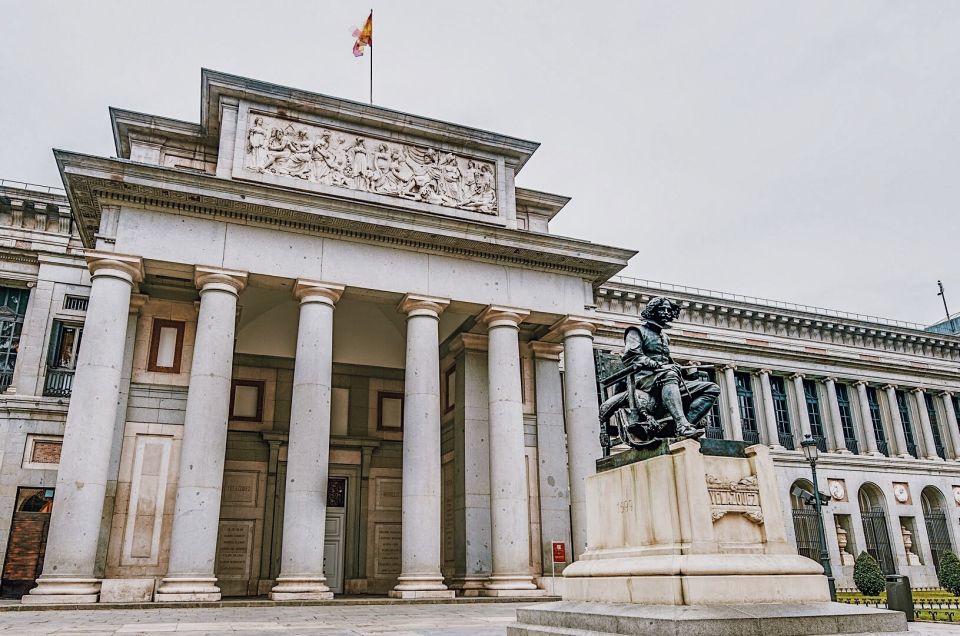
As you shift toward the Bourbon era, the tour brings you to the impressive Royal Palace of Madrid area and the gardens of Plaza de Oriente. This is the grand, royal-finishing section of the walk.
The “largest working royal palace in Europe” angle matters because it changes how you see the place. You’re not just looking at a historical set piece; you’re looking at a palace that’s tied to ongoing state symbolism.
The gardens stop is also important. You’ll admire gardens designed by Napoleon’s brother, which adds an unexpected thread. It’s a reminder that Madrid’s royal look wasn’t shaped only by Spanish rulers; Europe’s big political ripples left marks here too.
Keep your expectations realistic about access: the tour notes that some attractions can’t be visited from the inside due to security measures. So treat this area as a “see and understand” section, where the guide helps you read the layout and the story behind it.
Napoleon’s Brother’s Gardens: The Detail Stop That Makes the City Feel Lived-In
This is a small area, but it’s the kind of stop that upgrades your whole day. Gardens are easy to skip if you’re focused on the next monument. But the fact that these are tied to Napoleon’s brother gives you a fresh historical lens.
When you look at the space with that context, it’s no longer “nice landscaping.” It becomes part of a political and cultural moment. It’s also a good place to pause, catch your breath, and reset your attention before the walk wraps up.
If you like tours that include at least one surprise or unconventional historical thread, you’ll probably remember this stop for longer than the big-name photo ops.
How Long You’ll Walk, What to Bring, and What to Expect on the Ground
This is a moderate walking tour. You’re on your feet for roughly 2 to 2.5 hours, and it’s not ideal if you have walking disabilities or need a wheelchair-focused route (wheelchair-friendly tours are available on request only). Most people should be fine with comfortable shoes, but this isn’t a sit-and-stare lesson.
Bring:
- A passport or ID card
- Comfortable shoes
- A bottle of water
- An umbrella if rain is in the forecast
- A hat in summer
Also plan around the luggage rule: no large bags or suitcases are permitted. Pack light or you may feel stuck later.
Group size is capped at 10 people per tour, which helps keep things conversational and manageable. The small group option won’t run without a minimum of 3 participants, but private tours aren’t subject to that minimum.
Price and Value: Is $50 Worth It for Madrid’s Historic Center?
At $50 per person for a 2 to 2.5-hour guided walk, you’re paying for a local guide plus structured timing across multiple major stops. That’s good value if you’d otherwise spend time figuring out routes, wasting daylight, or missing the connective tissue between sights.
This tour earns its price by doing three practical things:
- It covers big highlights (Plaza Mayor, Almudena Cathedral, the Royal Palace area) in a time-efficient route.
- It includes story stops like Casa de la Panadería and the Habsburg/Bourbon context that makes the scenery “stick.”
- It adds everyday Madrid via San Miguel Market, which makes the day feel balanced.
Could you do it on your own? Sure. But without guidance, you’ll likely spend energy Googling and piecing history together. With a guide, the history arrives while you’re actually standing in the right place.
One note: since some places can’t be entered from the inside, your money buys the walk and the explanations more than “access.” For many people, that’s exactly what they want.
Who This Tour Fits Best (and Who Might Want Another Option)
I think this tour is perfect if you want:
- A short, high-impact orientation to Madrid’s historic center
- Major monuments plus a real-life market stop
- A guide who connects rulers and buildings to the street you’re walking
It’s also a solid choice for first-timers who want confidence fast. If you’re already comfortable with Madrid and want something deeper and longer, you might pair this with a museum or a longer neighborhood walk afterward.
If you’re traveling as a small group and want a more flexible experience, private options are available. Small group tours are limited to a maximum of 10 people, which helps keep it personal.
If mobility is a concern, this route isn’t recommended for wheelchair users, though wheelchair-friendly tours are available on request.
Should You Book This Guided Walk?
Yes—if your goal is to get your bearings and understand Madrid in a compact, practical way. I’d book it when you want a guide to translate the city’s big power moments into something you can actually remember while you’re walking.
Skip or reconsider if:
- You need a fully wheelchair-friendly route (this one isn’t recommended for wheelchair users).
- You’re carrying large luggage and can’t manage without it.
- You prefer long indoor visits over outdoor observation and street-level storytelling.
For most people—especially first-timers and anyone who likes history with real-world context—this is the kind of tour that makes later wandering feel smarter.
FAQ
How long is the Madrid Historical Center guided walking tour?
It runs about 2 to 2.5 hours. Starting times depend on availability.
Where does the tour start and end?
The meeting point may vary depending on the option you book, and the tour ends back at the meeting point.
Is the tour private or a small group?
You can choose a private tour or a small group tour. Small group tours have a maximum of 10 people.
Is food included in the price?
No. Food and drinks are not included, though you will visit San Miguel Market.
What languages are available for the live guide?
The guide is offered in Italian, French, English, and Spanish.
What should I bring with me?
Bring a passport or ID card. You should also wear comfortable shoes and bring water, plus an umbrella in case of rain and a hat in summer.
Can I bring luggage or large bags?
No. Luggage or large bags are not allowed.
Is this tour wheelchair accessible?
This tour is not recommended for wheelchair users. Wheelchair-friendly tours are available upon request only.