REVIEW · MADRID
Lavapiés: The most multicultural neighbourhood of Madrid, Private Walking Tour
Book on Viator →Operated by Ventana a la Cultura · Bookable on Viator
Lavapiés makes you look twice at Madrid. This private walking tour turns a few compact blocks into a map of migrations, work, and reinvention, from old quarters tied to Jewish and Moorish life to today’s mix of galleries, bars, and international food. I especially like the full attention of a private guide and the hotel pickup that smooths out your day. The one catch: it’s mostly outdoor walking on older streets, so you’ll want comfy shoes and a pace that works for tight sidewalks and corners.
You’ll also get the kind of historical context that helps the neighborhood click. One moment you’re at places tied to industrial Madrid; the next, you’re outside major landmarks like Reina Sofía’s area—without it turning into a museum checklist.
If you’re hoping for lots of indoor stops or long museum time, temper expectations. This is built around short, meaningful stops—most with admission free—and the “wow” comes from seeing how the architecture and community spaces evolved.
In This Review
- Key things to know before you go
- Why Lavapiés is Madrid’s most multicultural neighborhood
- Private guide and pickup: the value move
- Getting oriented fast: where the tour starts and ends
- Stop-by-stop: what you’ll see and why it matters
- Lavapiés streets and the neighborhood’s worker-and-immigrant past
- Reina Sofía area, seen from the outside for a smart contrast
- San Lorenzo church: history that still drives community life
- Plaza de Lavapiés and the culture-redevelopment wave
- Ronda de Valencia: old industrial facades meet newer Madrid
- La Tabacalera de Lavapiés: women workers, neighbor-run spaces, and mixed-use reality
- Escuelas Pías de San Fernando: ruins to a library
- House of Sombrerete and corralas: housing that was tiny and harsh
- Pacing, timing, and what to do before and after
- Who this tour is best for
- Should you book this Lavapiés private walking tour?
- FAQ
- How long is the Lavapiés private walking tour?
- How much does the tour cost per person?
- Is pickup from my hotel included?
- Where does the tour start and where does it end?
- Is this a private tour?
- What kinds of tickets are included?
- Is private transportation included?
- Is it close to public transportation?
- Are service animals allowed?
- What’s the cancellation policy?
Key things to know before you go
- Hotel pickup + official private guide: fewer logistics headaches, more time listening.
- Lavapiés in 1h40–2h: fast, focused overview without rushing between far-apart sights.
- Old factories still shape the neighborhood: see how work and housing history show up in today’s streets.
- La Tabacalera de Lavapiés and its mixed use: social center, art space, and areas left abandoned.
- Corralas housing still matters: you’ll learn why places like the House of Sombrerete feel so stark—and why some are still used.
Why Lavapiés is Madrid’s most multicultural neighborhood
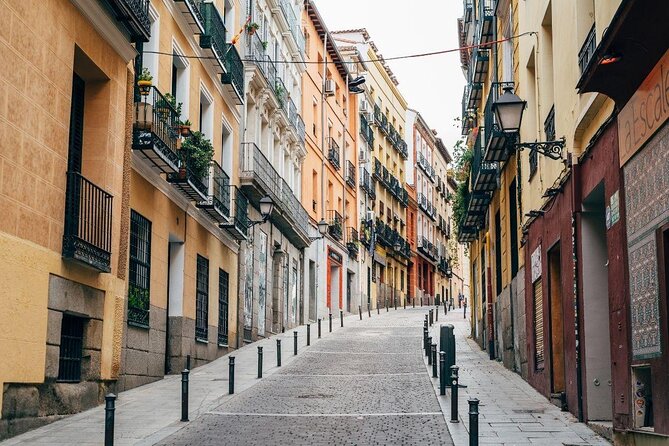
Lavapiés sits in central Madrid, but it doesn’t feel like the postcard version of the city. It carries the marks of older eras—especially the XVIII-century industrial area where royal factories appeared—and it also absorbed waves of people over time. That layering shows up in everyday street life: small apartments that once served workers, newer arrivals starting around the 1980s, and today’s mix of cultures you can spot in storefronts, music spilling out of bars, and restaurant signs from everywhere.
The tour makes this make sense with clear connections. You don’t just hear that the neighborhood is multicultural—you hear how it got that way. That’s the difference between a surface stroll and a walk that teaches you how a place developed.
And yes, the route is compact. You’re not commuting across town; you’re tracing the neighborhood’s identity with the kind of stops that help you build a mental map fast.
You can also read our reviews of more walking tours in Madrid



Private guide and pickup: the value move
At $121.78 per person, you’re paying for a private experience, not a crowd. What makes it feel like good value is what’s included: an official private guide, pickup from your Madrid hotel, and local taxes. No private transportation is part of the package, but the tour is designed so the walking itself does the work.
Hotel pickup matters more than you might think. Lavapiés can be full of side streets and one-way systems, and having someone meet you and get you started saves time and stress. If you’re already tired after travel, the convenience is real.
Another practical plus: this is a private tour/activity, meaning only your group participates. That tends to make it easier to ask follow-up questions as you go, especially on a topic like neighborhood history where you may want to zoom in on one family story, one period of work, or one building’s purpose.
Getting oriented fast: where the tour starts and ends
Even with hotel pickup available, it helps to know the geography. The meeting point is C. de Sta. Isabel, 52 in Centro, right in the heart of Lavapiés near bars, restaurants, and the metro. The walk finishes at Plaza de Agustín Lara.
That end point is useful. You’re still in central Madrid after the tour, with plenty of options for an easy dinner or a quick metro hop. It’s the kind of route that doesn’t trap you in a “tour bubble.”
Stop-by-stop: what you’ll see and why it matters
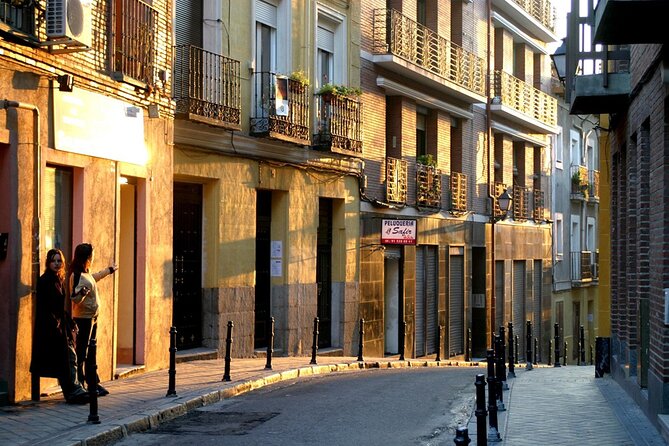
Lavapiés streets and the neighborhood’s worker-and-immigrant past
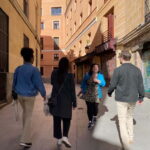
The tour begins right where the identity is strongest. You’ll hear that Lavapiés grew as an industrial area since the XVIII century, when royal factories were created. This matters because it explains the mix of spaces you’ll later see: work buildings, older apartments for workers, and the community infrastructure that formed around them.
The guide also connects the neighborhood’s traditional inhabitants—bullfighters, caleseros (carriage drivers), and Manolos (associated with Jewish descendants)—with how housing worked for lower-class workers. Then the story jumps to the later wave of immigration in the 1980s, which helped shape today’s cultural mix.
What I like about this start is that it sets expectations for everything after. Once you understand the “industrial + crowded housing + immigration” foundation, the rest of the stops stop feeling random.
Practical note: the first stretch is where you’ll get your bearings fast. Wear shoes that handle uneven pavement.
You can also read our reviews of more private tours in Madrid






Reina Sofía area, seen from the outside for a smart contrast
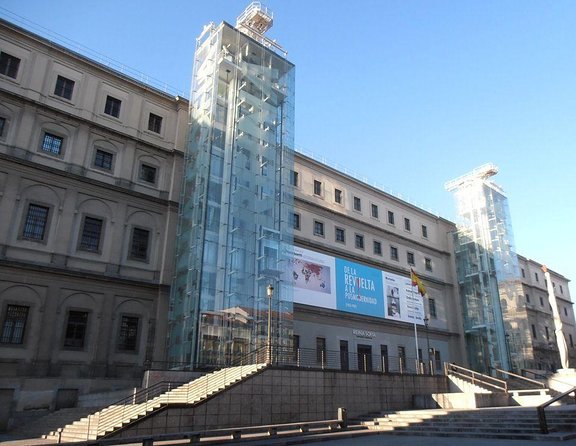
Next comes a quick contrast with the more formal Madrid built around royal and aristocratic power. You’ll appreciate the shift near the Museo Nacional Centro de Arte Reina Sofía—not by entering, but by looking at the big landmark presence next door to the working-class story you’ve been hearing.
The Reina Sofía building itself has an origin story that ties back to public health and older institutions: it was built as the General Hospital. Even without going inside, it helps you understand how Madrid reused and repurposed major structures over time.
If you’re the type who gets cranky when a landmark doesn’t come with an indoor ticket, this part might feel like a tease. But it’s also a smart pacing choice for a neighborhood walk focused on street-level history.
San Lorenzo church: history that still drives community life
Then you’ll head to San Lorenzo, a church that the tour frames as the social-life heart of Lavapiés traditions. It’s also known for a mistaken identity you’ll likely hear about during the stop: it’s often wrongly referred to as the old synagogue.
That correction matters. It’s a good example of how neighborhoods carry stories, and how those stories get repeated—even when they’re off by a bit. With the guide’s explanation, you don’t just see a church façade; you learn how local tradition can reshape the way people tell the past.
This is also a shorter stop, so you’ll get what you need without dragging the walk out.
Plaza de Lavapiés and the culture-redevelopment wave
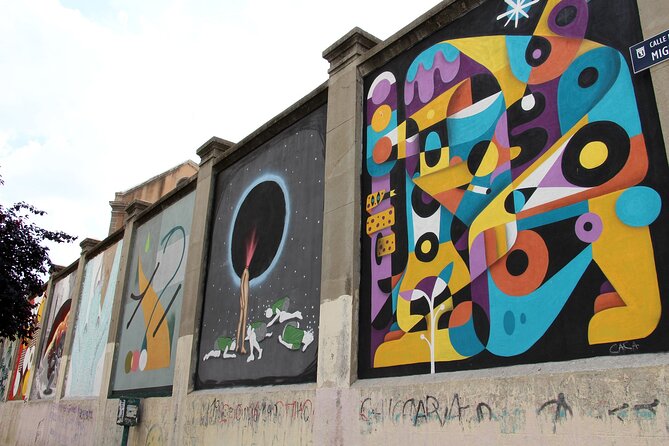
At Plaza de Lavapiés, the tour shifts into a modern chapter: how people have rehabilitated older buildings and used culture to help the neighborhood’s economy. You’ll hear about theaters, exhibition centers, cultural foundations, and even a circus connected with those projects.
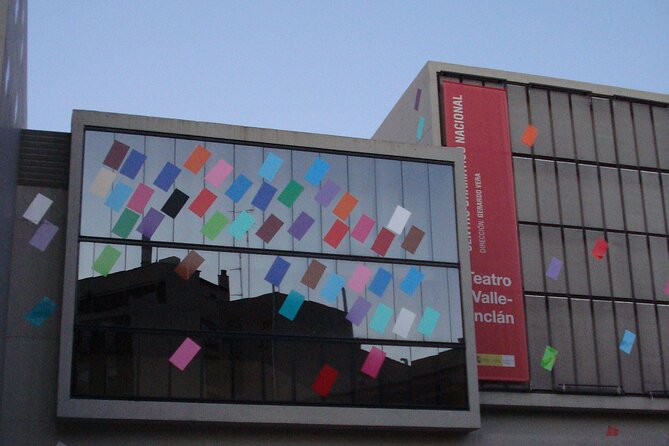
And of course, the plaza area is where you’ll feel the everyday multicultural side in a practical way. Bars, cafés, and restaurants from many countries create that constant, lived-in feeling. The stop also includes the Valle-Inclán Theater along the route, which helps you see culture not as an abstract idea, but as physical buildings with history.
If you’re interested in how neighborhoods evolve without being erased, this part is worth paying attention to.
Ronda de Valencia: old industrial facades meet newer Madrid
Ronda de Valencia adds industrial detail back into the picture. During the industrial revolution, many factories were built here, and the tour points out remnants—facades of older industrial architecture—mixed with newer buildings.
You’ll also hear about the role of working-class movements in shaping Lavapiés identity. That’s the kind of context that can feel “academic” in a classroom. Here it lands better because you’re looking at the buildings those movements formed around.
This section is a nice reminder: Madrid’s change isn’t only new construction. It’s also layers left standing.
La Tabacalera de Lavapiés: women workers, neighbor-run spaces, and mixed-use reality
One of the most memorable stops is La Tabacalera de Lavapiés. The tour frames it as the oldest preserved factory building tied to the neighborhood’s long factory tradition, dating to around 1780.
This stop doesn’t just talk about bricks. It highlights the people who worked there—up to 6,000 women—and the idea of fighter spirit associated with their work. That personal angle helps you connect the industrial story to human energy, not just architecture.
Today, the building functions in multiple ways: part of it works as a social center administrated by neighbors with non-profit aims, part serves as a contemporary art exhibition center, and some of the huge complex remains abandoned. That mix is exactly what makes the stop feel real. It’s not a restored “only pretty parts” version of history. It’s history with current life layered over it.
If you want one “anchor” stop that explains what makes Lavapiés feel different, this is it.
Escuelas Pías de San Fernando: ruins to a library
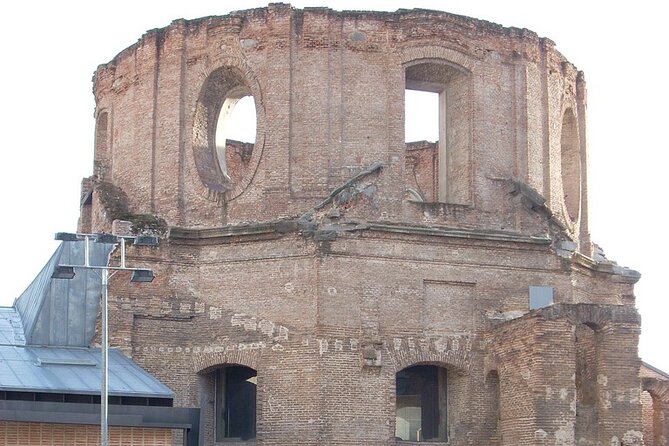
At Escuelas Pías de San Fernando, you’ll hear about an old school and church where orphans in Lavapiés were educated. The site was destroyed during the civil war and kept in ruins for decades.
What’s striking is the outcome: it has become what the tour describes as one of the most beautiful libraries of Madrid—turning damaged space into learning space. It’s a hopeful story, but also a clear reminder that the neighborhood’s past is still physically present.
This stop is short, but the transformation angle sticks.
House of Sombrerete and corralas: housing that was tiny and harsh
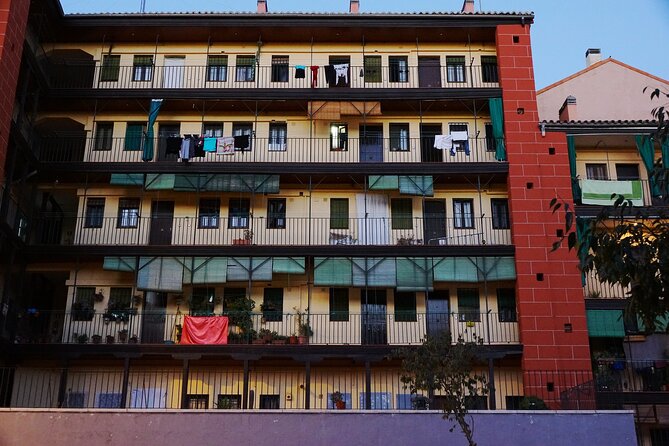
The last stop goes to the House of Sombrerete, an example of popular worker housing from the industrial period called corralas. The idea is simple and brutal: small rooms—around 10 m²—for entire families, often with no light or water.
The guide also notes that some corralas are still in use today, often housing immigrants with limited resources. That detail prevents the stop from becoming a purely historical exhibit. It explains why some architecture still carries the neighborhood’s pressures into the present.
Be ready for this to feel sobering. It’s one of the tour moments that can make you slow down and look longer.
Pacing, timing, and what to do before and after
The whole walk runs about 1 hour 40 minutes to 2 hours. That’s a sweet spot for a private neighborhood overview: long enough for context, short enough that you still have energy afterward.
Here’s how I’d plan the day:
- Go in with a plan for dinner or a drink afterward, because the tour ends in a lively central spot.
- Bring water if it’s warm. The stops are mostly outside.
- Take breaks only if you need them. The route uses quick, meaningful segments for a reason.
Also, since the tour includes a mobile ticket, make sure your phone battery is decent.
Who this tour is best for
I’d steer you toward this private Lavapiés walk if you like neighborhoods with living history—places where industrial buildings, community projects, and immigrant communities all share the same blocks.
It’s also a good fit if:
- you want a curated overview without committing to multiple museums
- you like architectural and social history more than famous-monument photo stops
- you prefer a conversation with an official guide rather than a scripted group tour
In the reviews, the guide is praised for being friendly, patient, and strongly informed—especially for explaining redevelopment and keeping the story easy to follow. That kind of guiding style matters a lot in a neighborhood where there’s a lot to look at.
Should you book this Lavapiés private walking tour?
Yes, if you want a practical, guided introduction to Lavapiés that goes beyond food and nightlife into the forces that shaped the area: industry, worker housing, community-run spaces, and the ongoing mix of cultures.
It’s not the best choice if you’re chasing big-ticket museum entry or hours of indoor sightseeing. The tour is short, walk-focused, and designed around seeing what’s outside—like La Tabacalera, San Lorenzo, and corralas—so you get a clean understanding of how the neighborhood works.
If you book, choose a time when you’re not rushing. This is the kind of neighborhood walk where the details land when you’re not sprinting to your next plan.
FAQ
How long is the Lavapiés private walking tour?
It runs about 1 hour 40 minutes to 2 hours.
How much does the tour cost per person?
The price is listed at $121.78 per person.
Is pickup from my hotel included?
Yes. Pickup from your Madrid hotel is offered.
Where does the tour start and where does it end?
The start point is C. de Sta. Isabel, 52, Centro, 28012 Madrid, Spain. The tour ends at Plaza de Agustín Lara, Centro, 28012 Madrid, Spain.
Is this a private tour?
Yes. It’s a private tour/activity, so only your group will participate.
What kinds of tickets are included?
You’ll use a mobile ticket. Admission tickets for the listed stops are marked as free, and the Reina Sofía museum is not entered.
Is private transportation included?
No. Private transportation is not included.
Is it close to public transportation?
Yes, it’s near public transportation.
Are service animals allowed?
Yes, service animals are allowed.
What’s the cancellation policy?
Free cancellation is available. You can cancel up to 24 hours in advance for a full refund.