REVIEW · MADRID
Madrid: Prado Museum Guided Tour with Entry Ticket
Book on GetYourGuide →Operated by Segway Madrid Guided Tours · Bookable on GetYourGuide
Two hours can change how you see Madrid. This small-group Prado Museum tour turns one giant building of art into a clear, walkable storyline, with skip-the-line entry so you spend less time waiting and more time looking.
I love the way the guide organizes the visit: Renaissance leads into Baroque, then you hit the psychological punch of Goya, and it ends with the Hall of the Muses. I also like the practical setup—headphones and a walking format—so you can keep your eyes on paintings instead of hunting for where the group moved next.
One thing to plan for: you can’t bring luggage or large bags, and security can still slow things down at the museum gates even with a skip-the-line ticket. If you travel light, this feels smooth. If you’re dragging a big backpack, expect trouble.
In This Review
- Key takeaways before you go
- The Prado is huge, so the right guide saves your brain
- Monument to Goya: where you start and what to expect outside
- A quick pacing reality check
- Entering the Prado: Renaissance works that set the rules of looking
- Why this matters for first-timers
- Bosch and the surprises: turning myth and scenes into stories
- Expect the tour to switch gears often
- Women painters and the Delft-to-eclectic connection you might miss alone
- Baroque drama: Caravaggio, El Greco, and Velázquez
- A tip for your eyes
- Goya: the route turns from spectacle to psychology
- Sorolla’s sunny color palette: relief before you finish
- The Hall of the Muses: your last room should make sense of it all
- Price and value: what $42 buys you in the real world
- Who this tour is best for (and who might want solo time)
- Practical details that affect your comfort
- What you’ll learn, not just what you’ll see
- Guides and group size: what “small” can feel like
- Should you book this Prado Museum guided tour?
- FAQ
- How long is the Prado Museum guided tour?
- Where do I meet the guide?
- Does the tour include admission tickets?
- What’s included besides the entry ticket?
- Is the tour wheelchair accessible?
- Are large bags or suitcases allowed?
Key takeaways before you go

- Small-group format with headphones keeps the pace human and the explanations clear
- A focused 2-hour route covers major artists without turning it into homework
- Highlights range from Dürer and Fra Angelico to Caravaggio, Velázquez, and Goya
- Bosch’s works (including Garden of Earthly Delights and The Hay Wagon) bring surprises fast
- The Hall of the Muses gives you a memorable way to connect themes across centuries
- Meet-up is simple: Monument to Goya, and the tour ends back there
The Prado is huge, so the right guide saves your brain

The Prado Museum is one of those places where you can easily get lost. Even if you love art, the scale can make you skim. This tour is designed for the opposite problem: it gives you a route that keeps your attention on the most meaningful works.
The biggest value is that you’re not just walking from room to room. You’re being guided through a timeline of styles and emotions—Renaissance structure, Baroque drama, and then Goya’s darker edge—so your eyes learn what to look for. The headphones help a lot here, because you can stay oriented while moving.
You can also read our reviews of more tours and experiences in Madrid



Monument to Goya: where you start and what to expect outside
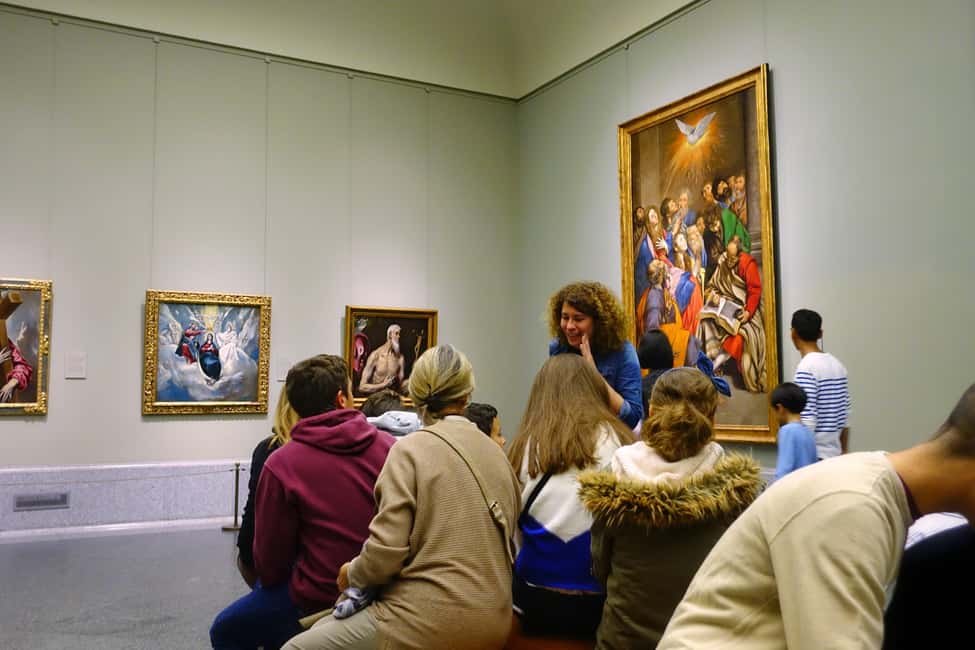
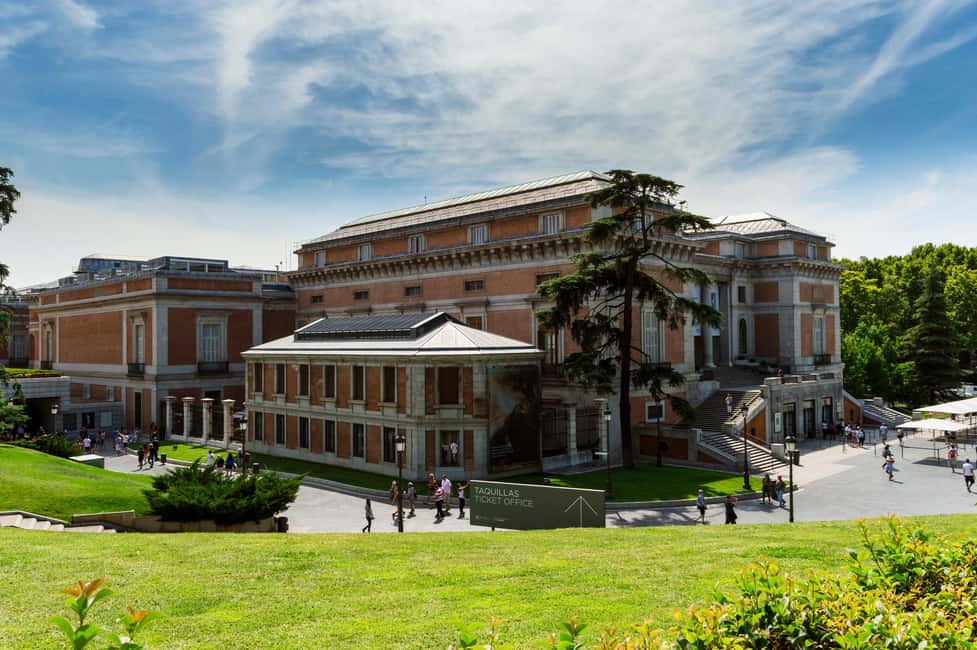
You meet your guide at the Monument to Goya. It’s a straightforward start point, and it matters because it reduces that pre-museum stress of finding where to line up.
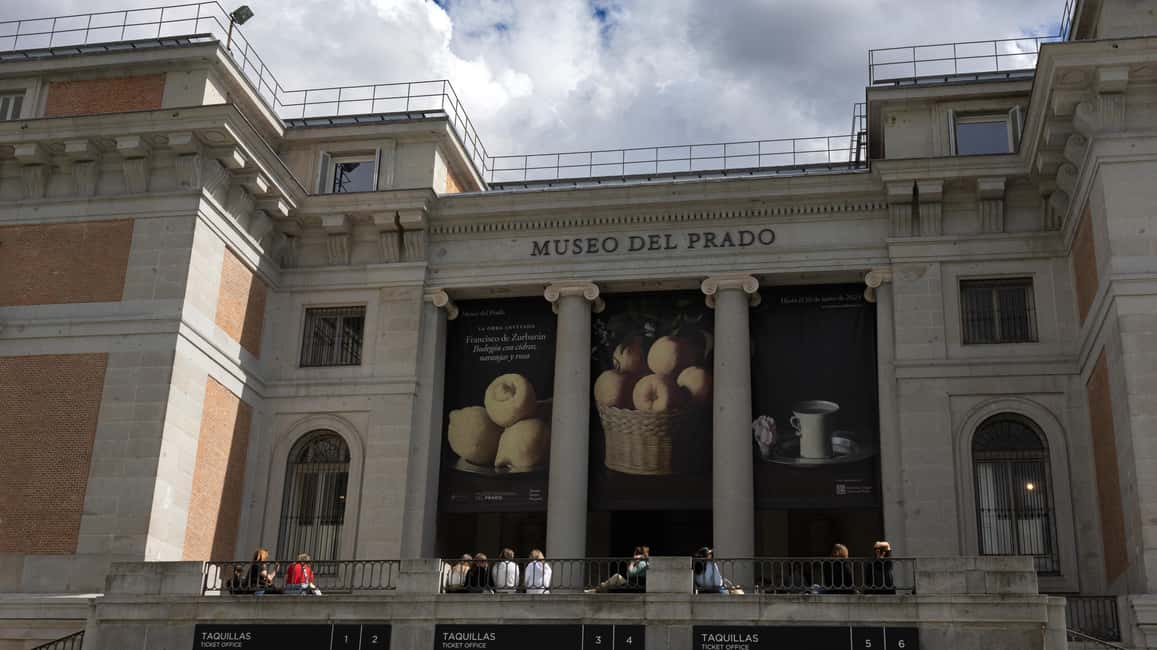
From there, you’ll head to the Prado through the emblematic Puerta de los Jerónimos. That entrance sets the tone: you’re stepping into a landmark that feels part of Madrid’s cultural center, not just another museum stop on a list.
A quick pacing reality check
This is a 2-hour walking tour. That’s long enough to see real highlights, but it’s not a full museum marathon. You’ll move steadily, and you’ll be close enough to hear your guide without constantly stopping for every detail.
Entering the Prado: Renaissance works that set the rules of looking

Once you’re inside, the tour steers you toward the Renaissance masterpieces, including works by Dürer and Fra Angelico. This early section is useful because it teaches you how to read the logic of Renaissance art—balance, form, and the sense that every element has a job.
You’ll also hit pieces that shift your expectations quickly. The tour description mentions Strobel and Tintoretto in the early flow, which signals that you won’t stay stuck only on the “big famous” names. Instead, you get a broader feel for what European painting looked like when it was trying to be both impressive and precise.
Why this matters for first-timers
If you come to the Prado cold, you may not know what questions to ask. With a guide, you start learning those questions on the spot—how composition guides your eye, how symbolism shows up, and how an artist’s approach changes even when subjects look similar.
You can also read our reviews of more guided tours in Madrid





Bosch and the surprises: turning myth and scenes into stories

One of the most fun parts of the route is where it gets strange and imaginative. You’ll see Bosch’s works, including Garden of Earthly Delights and The Hay Wagon. These aren’t paintings you can fully process in a quick glance, but this tour gives you just enough structure to enjoy them without feeling overwhelmed.
The point isn’t to “solve” Bosch. It’s to learn how to look: notice repeated details, track how the scene builds, and pay attention to what feels off. Even if you only catch part of the story, you’ll leave with a stronger sense of why Bosch is memorable.
Expect the tour to switch gears often
The Prado collection is wide. This tour keeps that in mind by moving you through different kinds of artworks and different moods. That rhythm is a big reason a 2-hour visit can still feel satisfying instead of rushed.
Women painters and the Delft-to-eclectic connection you might miss alone
The tour includes attention to the collection of celebrated women painters. It specifically calls out Artemis and Clara Peeters, which is a big deal if you usually come to museums and only focus on the most famous male names.
This section helps you notice something practical: the Prado isn’t just a “greatest hits” museum for one slice of art history. It’s a collection where you can see variety in artists, subjects, and approaches—if someone points you toward it.
You’ll also be introduced to the Dolphin Collection. The name alone makes you curious, and that curiosity is the point. A good guide doesn’t just recite facts; they steer your attention toward details you might not think to seek.
Baroque drama: Caravaggio, El Greco, and Velázquez
Then the tour moves into Baroque splendor, with Caravaggio, El Greco, and Velázquez in the mix. This section is where the museum starts feeling more intense, more human, and less “textbook.”
Caravaggio’s presence matters because of how his style leans into strong contrasts and emotional focus. El Greco adds a different kind of intensity—more angular, more expressive. And Velázquez acts like a bridge between drama and observation, which is why he’s essential at the Prado.
A tip for your eyes
When Baroque art hits, look at faces and hands first. The tour’s logic pushes you in that direction, and it makes sense. In Baroque painting, the emotional content is often communicated through physical expression and lighting choices.
Goya: the route turns from spectacle to psychology

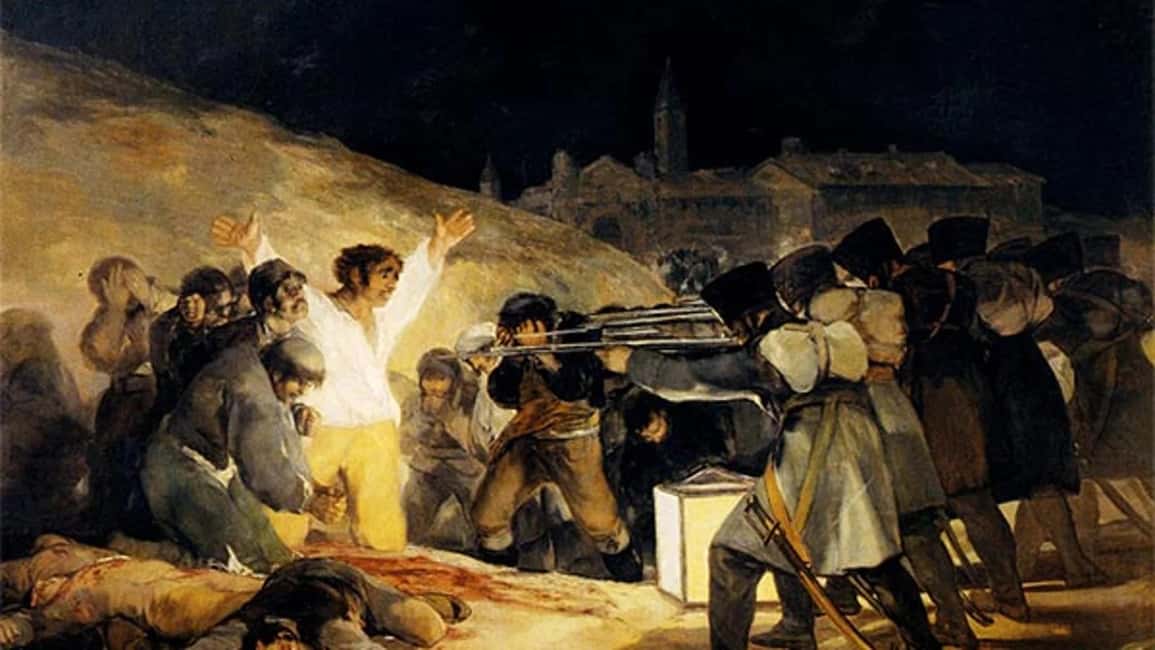
After Baroque energy, the tour shifts into Goya. The description frames it as exploring the darkness of the human mind, which is a pretty accurate way to prepare yourself.
Goya doesn’t show up here like a quick stop. He’s used as a turning point, so you feel the difference between earlier centuries’ style and his sharper, more unsettling way of seeing people.
This is one of the reasons the guided format is worth it. You’re not just looking at a list of paintings. You’re feeling how the collection changes what art can do—moving from crafted grandeur toward something more raw.
Sorolla’s sunny color palette: relief before you finish
After all that intensity, the tour brings in Sorolla and sunny beach energy. The description points to his bright color palette, and that contrast helps the visit land well.
This section is a good reminder that the Prado isn’t only about heavy themes. The collection includes works that feel more like an atmosphere than a lecture, and that variety keeps you from hitting art fatigue too early.
The Hall of the Muses: your last room should make sense of it all
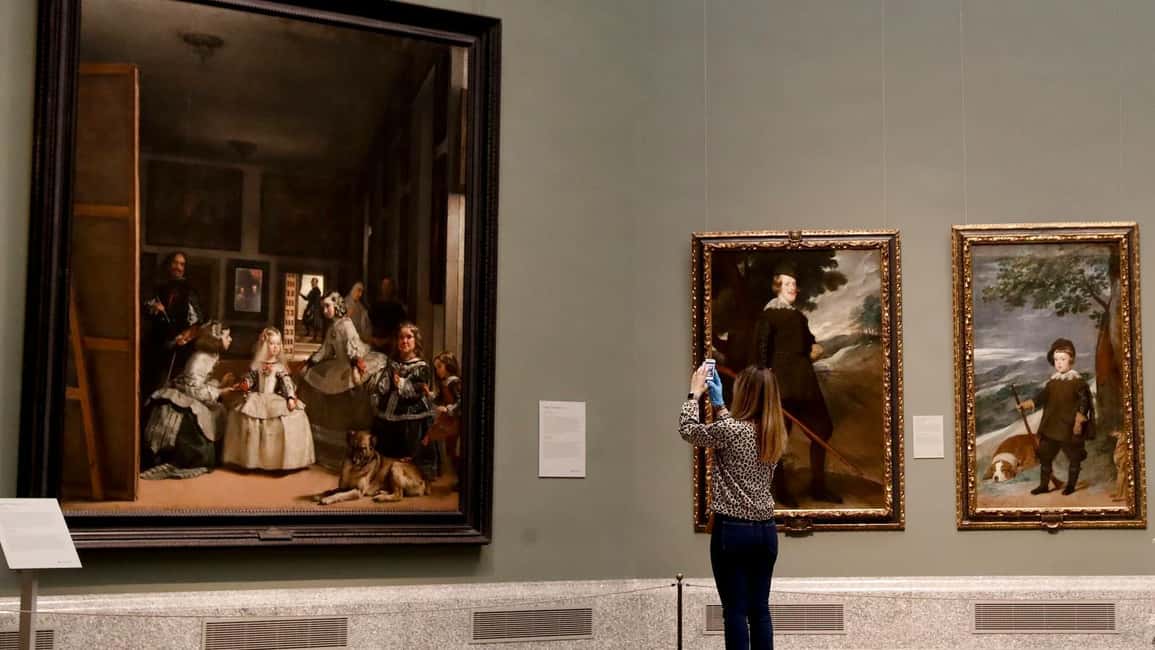
The tour ends at the Hall of the Muses. This is a strong finish because it connects the experience back to theme and emotion. The Prado can feel like a giant maze if you visit alone, but ending with the Muses Room gives you something to hold onto.
You’re not leaving with only “I saw this painting.” You’re leaving with a sense of how art communicates across time. That last room is where your brain starts stitching together the route you just walked.
Price and value: what $42 buys you in the real world
At $42 per person for a 2-hour guided walking tour, the price only makes sense if you’re getting something beyond a ticket. Here, you are.
You get:
- Skip-the-line entry to the Prado
- A live guide
- Walking tour format
- Headphones
That combo is the value. The Prado can swallow time. If you enter during peak hours and spend even part of your “museum time” waiting, the ticket price starts feeling less fair. The skip-the-line element helps protect your schedule.
You’re also paying for translation of complexity. With a guide, you get context for Dürer, Fra Angelico, Bosch, Caravaggio, Velázquez, El Greco, Goya, and Sorolla in a way that’s faster than reading on your own while trying to keep track of where you are. For many people, that’s the difference between a forgettable visit and one you remember.
Who this tour is best for (and who might want solo time)
This is a great fit if you:
- Want top Prado highlights in a limited time
- Prefer guidance to avoid getting lost in rooms
- Like hearing explanations while you look
- Travel with Spanish or English support needs (the tour runs in both)
It’s also a good choice if you’re the type who gets overwhelmed by huge museums. A route helps you prioritize without feeling like you missed everything.
If you’re the type who loves reading labels for hours or you want to wander freely at your own speed, you might find a guided route too structured. This tour is built for clarity, not long unplanned detours.
Practical details that affect your comfort
This is a walking tour, and the museum environment includes crowds and security checks. The good news is the plan includes skip-the-line entry and headphones, so your focus stays on art.
Still, come prepared. The rules say luggage or large bags aren’t allowed, and the Prado may prohibit entry if you show up with suitcases or backpacks that are too big. Traveling light is the easiest way to avoid a start-of-tour headache.
Also remember: food and drinks aren’t included. So if you’re doing other Madrid stops the same day, plan your meals around the tour so you’re not hungry and tired when you need to concentrate.
What you’ll learn, not just what you’ll see
If you want the most practical takeaway from this kind of Prado tour, it’s learning how to “frame” what you’re looking at.
By walking through Renaissance works by Dürer and Fra Angelico, then jumping to Bosch’s surreal scenes like Garden of Earthly Delights and The Hay Wagon, you start to see how artists built stories differently. When the route lands on women painters such as Clara Peeters and Artemis, it expands what you assume the museum is about.
Then Baroque energy with Caravaggio, El Greco, and Velázquez shows you style and mood shift across rooms. Finally, Goya changes the emotional temperature and Sorolla cools it down with bright beach light. The Hall of the Muses is where that change becomes a memory you can explain.
Guides and group size: what “small” can feel like
The tour offers private or small groups. That matters because Prado crowds can make museum visits feel impersonal, and it also matters for hearing the guide. Headphones help, but proximity still makes a difference.
In one reported experience, the guide Jesús led a group that felt like it was just for the visitors—clear explanations, strong pace, and plenty of learning through questions. You shouldn’t assume that exact setup will happen every time, but the format supports it.
Also, the tour is bilingual (Spanish and English), which is useful if your group has mixed language comfort. Your guide can keep the tour coherent without slowing everything down.
Should you book this Prado Museum guided tour?
I’d book it if you want a smart, time-efficient Prado experience. This tour does what it promises: it gives you skip-the-line entry, a guided route, headphones, and a concentrated hit list that covers multiple eras and moods without turning your day into a museum sprint.
I wouldn’t book it if you want total freedom to roam for hours or if you’re traveling with bulky luggage. The bag rules are real, and a 2-hour plan leaves little room for delays caused by security issues.
If you’re visiting the Prado for the first time and you’d like your visit to make sense, this is one of the most practical ways to do it.
FAQ
How long is the Prado Museum guided tour?
The tour lasts 2 hours.
Where do I meet the guide?
You meet your guide at the Monument to Goya.
Does the tour include admission tickets?
Yes. Your ticket is included with skip-the-line entry to the Prado Museum.
What’s included besides the entry ticket?
The tour includes a live guide, the walking tour experience, and headphones.
Is the tour wheelchair accessible?
Yes, the tour is wheelchair accessible.
Are large bags or suitcases allowed?
No. Luggage or large bags aren’t allowed, and the Prado Museum may prohibit entry.