REVIEW · MADRID
Madrid Reina Sofia Museum & Picasso’s Guernica Private Tour
Book on GetYourGuide →Operated by Madrid Museum Tours · Bookable on GetYourGuide
A giant canvas can change how you see an era. In this private Reina Sofía Museum tour, you get a tight 2-hour path through Spain’s 20th-century art, with Picasso’s Guernica as the center of gravity and real context behind it.
I really like that the guide doesn’t just point at famous works. You’ll get clear, structured explanations of artists like Joan Miró, Juan Gris, Salvador Dalí, and the political weight behind the museum’s signature pieces.
One consideration: if you prefer a relaxed, meandering museum day, this tour’s focus and information load may feel a bit strict in tone and pace.
Key highlights worth your time
- Picasso’s Guernica explained through biography, political context, iconography, and interpretations
- A guided route through major names like Miró, Juan Gris, and Salvador Dalí (plus others in Spain’s modern art scene)
- Museum “how it works” background, including the building’s hospital origins and later architectural changes
- Meaning behind monumental works beyond Picasso, including context around Richard Serra’s Guernica Bengasi
- An easy-to-hear experience thanks to a included audio system
- Private format for up to 7 people, so you can keep questions and pace under control
In This Review
- Reina Sofía in 2 hours: what a private guide really buys you
- Picasso’s Guernica: how the guide turns one painting into a whole world
- The Reina Sofía building itself: hospital roots and architectural drama
- Miró to Dalí: Spain’s modern art explained through names you can remember
- Richard Serra and the meaning behind another Guernica-related work
- Timing, tickets, and the small planning details that affect your day
- Who should book this private Reina Sofía tour
- Should you book it
- FAQ
- How long is the Reina Sofia Museum & Picasso’s Guernica private tour?
- What does the tour cost?
- Are Reina Sofía museum tickets included?
- What languages is the live guide available in?
- Is there an audio system during the tour?
- Can I take photos with flash?
- Are there discounted or free ticket options for the Reina Sofía?
- What should I bring?
Reina Sofía in 2 hours: what a private guide really buys you
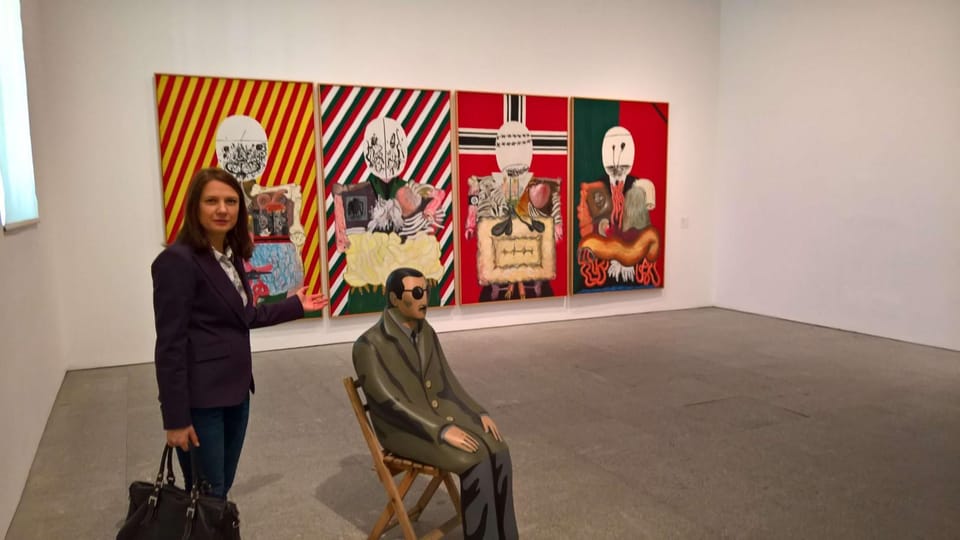
The Reina Sofía moves fast, even when you’re trying to slow down. It’s big, it’s popular, and it can be easy to leave with only the headline impressions—Picasso here, a famous sculpture there, and lots of unanswered questions.
That’s why I like this format: you trade wandering time for guided direction. In a short 2-hour window, you’re steered toward the works that matter most to Spain’s modern story, and you’re given a way to connect them. The guide’s job isn’t just narration. It’s making relationships click—between personal style, artistic technique, and the social and political pressure that shaped what these artists made.
You’ll also benefit from the small but practical touches. You get a licensed guide with an audio system, which matters in museums where galleries can be crowded and sound can bounce around. It’s easier to follow the thread when you don’t have to constantly lean in or ask someone else to repeat.
Best fit? You’ll enjoy this most if you like art with context. You don’t need to be an expert. But you do want meaning explained in plain language, and you want someone to help you see patterns instead of collecting disconnected facts.
Picasso’s Guernica: how the guide turns one painting into a whole world
Picasso’s Guernica is the kind of artwork that people treat like a monument. It’s also the kind that rewards attention. Here, that’s exactly what you’re set up to do.
The tour makes Guernica the centerpiece, and the guide builds the story in layers:
- Picasso’s biography, so you understand how his thinking evolved
- Social and political context, so the painting doesn’t float in isolation
- Iconography, meaning what the figures and symbols are doing visually
- The circumstances around the work, so you grasp why it arrived when it did
- Multiple interpretations, so you learn why smart people don’t read it the same way
This approach is valuable because Guernica is not just “an image of tragedy.” It’s a visual argument. You can stand in front of it and feel overwhelmed, but the guide gives your mind handles: how Picasso’s choices push emotion, how the composition communicates breakdown and fear, and how the artwork functions as a message rather than decoration.
If you tend to get nervous in museums—when you worry you’ll miss something—this tour helps. You get a structure to follow in your head while you’re standing there. That’s the difference between a quick photo stop and really seeing.
One caution, though: because Guernica is discussed in a deep, interpretive way, the tour is information-heavy. If you like lots of quiet looking without analysis, you might find the pacing too guided. But if you want the “why” behind what you’re seeing, this is the right balance.
You can also read our reviews of more private tours in Madrid


The Reina Sofía building itself: hospital roots and architectural drama
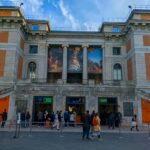
Even before you reach the major galleries, this museum has a strong personality. It used to be a hospital, founded in 1788 by King Carlos III. That matters because it’s not a generic “white box” museum experience. You’re moving through a place with older bones.
In 1990, the museum transformed with the addition of three steel elevators in glass towers. The design is credited to Ian Ritchie and Ove Arup. It’s the kind of structural detail that’s easy to overlook if you’re only chasing artwork highlights—but a good guide points out the building choices that shape how you move and how the museum feels.
Then in 2005, a new wing arrived with an architectural statement by Jean Nouvel. In the courtyard, you’ll find Roy Lichtenstein’s Brushstroke sculpture, an eye-catching piece that visually interrupts the space in a fun, pop-art way. It gives your day a rhythm change: not only Spanish modernism and war-era artwork, but also a modern counterpoint that reminds you this museum isn’t frozen in one style.
Why I think this matters for you: the architecture helps you understand the experience as a whole. The Reina Sofía is meant to feel like you’re in a working, evolving cultural machine. When you know a bit of the background, you can appreciate how the museum’s layout supports viewing—especially when you’re spending a short amount of time and want your focus to stay sharp.
Miró to Dalí: Spain’s modern art explained through names you can remember
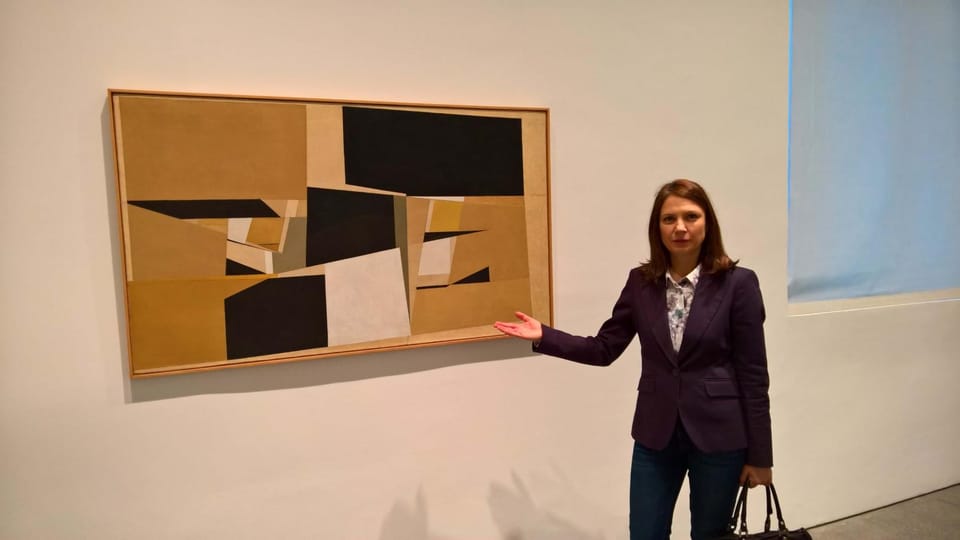
Reina Sofía often gets described as Spain’s answer to MoMA, and this tour leans into that idea by guiding you through major 20th-century figures. You’ll see works by Joan Miró, Juan Gris, Salvador Dalí, and more—plus artists like Ángeles Santos, Isidro Nonell, and José Gutiérrez Solana.
What I like here is the way the guide connects personalities and artistic evolution. You’re not only told what each artist is famous for. You’re guided through how their style developed and how their choices fit into the larger picture of Spain’s 20th-century art scene.
That matters because these artists don’t exist as isolated geniuses. Their careers unfold alongside political upheaval, social shifts, and changing artistic ideas. A guide who explains that context helps you stop treating each painting like a separate trivia question.
You also get technique and compositional thinking explained. That’s what makes the tour feel useful rather than like a list of titles. You learn what to notice while you’re looking, such as how composition directs attention, how visual structure can hold emotional meaning, and how different artists use style to respond to the world around them.
And because the group is private, your pace can adjust. If something clicks—like a technique pattern across artists—you can spend a moment longer without derailing the whole day.
Richard Serra and the meaning behind another Guernica-related work
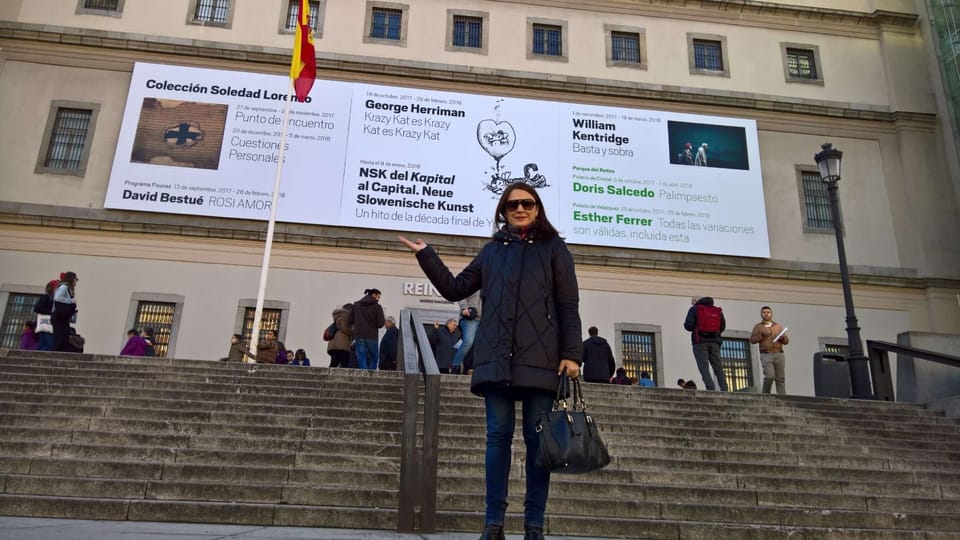
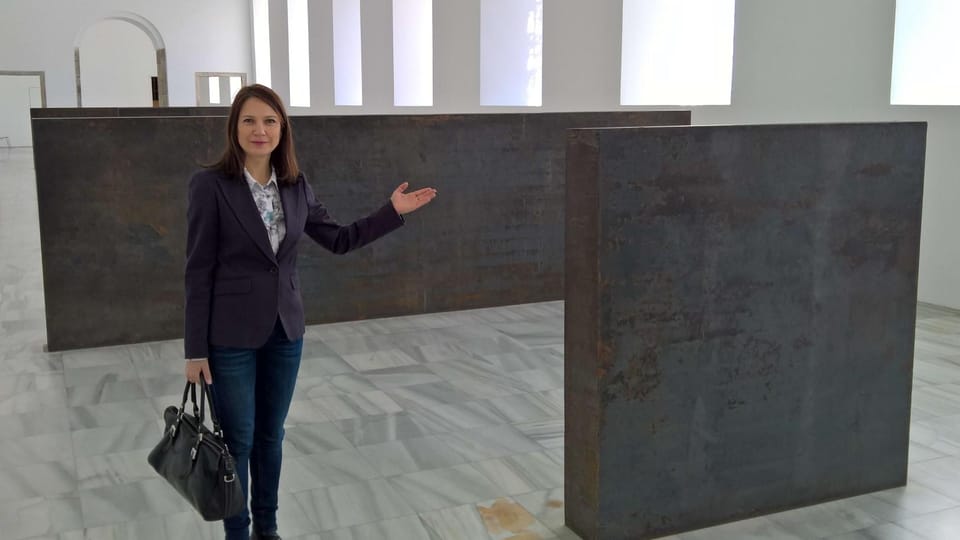
One of the more thoughtful elements of this tour is that it doesn’t treat Picasso as the only gravity well. The guide also offers analysis of the artistic and social context surrounding Richard Serra’s Guernica Bengasi.
Even if Serra isn’t the first name you’d associate with Spanish modern art, the context helps you see why the connection matters. It reinforces a key point: Picasso’s influence doesn’t stop at one painting. Later artists can echo the emotional and political force of the Guernica idea, even when the style shifts.
This kind of pairing is practical for you. If you only focus on Picasso, the museum day can feel one-note. When you understand how other artists respond to similar themes, you get a richer sense of how modern art works like a conversation across decades.
It also prepares you for the Guernica experience itself. If you’re already trained to think about art as social commentary, you’re more likely to interpret what you see rather than only react.
Timing, tickets, and the small planning details that affect your day
This is a 2-hour private guided tour for a group of up to 7 people, priced at $318 per group. That price can feel high if you’re thinking per-person, but it’s actually a value move if you’re traveling with a small group. Split it among several people and you’re paying for a licensed guide and a hearing-friendly audio setup focused on your time.
Important note: Reina Sofía Museum tickets are not included. You’ll need to buy them online in advance through the museum’s official website. This isn’t a minor detail. If you show up without tickets, your tour time can suffer, and the whole point of a short, focused plan is to keep your day efficient.
There are discounts you should check before you purchase:
- Seniors (over 65) may be eligible for 50% off
- Children up to 18 can be free
- Students aged 18 to 25 can also be free
All discounted and free admissions require validation at the museum ticket office on arrival, so you’ll want identification or accreditation.
If you’re planning around timing, wear comfortable shoes. The tour is short, but museum walking adds up quickly. Bring water too. It sounds basic, but it keeps you from getting drained before Guernica, which is the part you’ll want to be fully present for.
One more practical heads-up: the provided info says wheelchair accessible, but it also lists not suitable for wheelchair users. I’d confirm directly with the provider before booking if mobility is a factor for you. That’s the safest way to avoid surprises.
As for photography: flash photography is not allowed, so plan your phone settings accordingly.
You can also read our reviews of more museum experiences in Madrid
Who should book this private Reina Sofía tour
You should book this tour if you want:
- A guided path through major Spanish modern art names like Miró, Juan Gris, and Dalí
- Deep explanation for Picasso’s Guernica, including context and interpretations
- A structured, information-focused museum visit that makes you notice more while you stand in front of the art
- The convenience of audio support and a private group format
You might hesitate if:
- You prefer a slow, quiet museum drift with little interpretation
- You dislike structured tours where the pacing stays tight
- You need guaranteed wheelchair compatibility and can’t confirm with the operator (given the accessibility notes conflict)
Should you book it
For most people who are serious about understanding what they’re seeing, I think this is a strong buy. The price works best when shared within a group, and the 2-hour time limit pushes the guide to focus on the works that truly anchor Spain’s 20th-century story—especially Guernica.
If your goal is to leave Reina Sofía with answers, not just photos, this tour is built for that. If you want to roam and read walls at your own pace, you may find it too structured. But if you’re okay with a guided pace, you’ll likely feel like the museum finally made sense.
FAQ
How long is the Reina Sofia Museum & Picasso’s Guernica private tour?
It lasts 2 hours.
What does the tour cost?
It costs $318 per group for up to 7 people.
Are Reina Sofía museum tickets included?
No. You need to purchase tickets separately online in advance from the official Reina Sofía Museum website.
What languages is the live guide available in?
The tour guide is available in English, Spanish, German, and Russian.
Is there an audio system during the tour?
Yes. The tour includes an audio system for optimal listening.
Can I take photos with flash?
No, flash photography is not allowed.
Are there discounted or free ticket options for the Reina Sofía?
Yes. Seniors over 65 may get 50% off, children up to 18 can be free, and students aged 18 to 25 can be free. Discounts and free admission require validation at the museum ticket office with the right identification or accreditation.
What should I bring?
Bring comfortable shoes and water.