REVIEW · MADRID
Private guided tour Royal Palace & Royal Collections Gallery
Book on GetYourGuide →Operated by DE PASEO · Bookable on GetYourGuide
Madrid’s royal spaces feel like a living history lesson. This private tour connects Royal Palace rooms with the new Royal Collections Gallery, so you can see how Spanish power, art, and ceremony fit together. I like that the guide doesn’t treat it like random rooms and paintings; the story is built room by room.
Two things I’d prioritize here: the chance to see standout works like Juan de Flandes’s Polyptych of Isabel la Católica, and the way the palace interiors explain how monarchy has functioned through time. I also love that you end with the gallery’s big selection of master names, so the art doesn’t stop at the palace doors. The main drawback to keep in mind is simple: 4 hours is tight, so you’ll want good comfort footwear because you’ll be walking through multiple major highlights.
In This Review
- Key things I’d watch for before you go
- Royal Palace and Royal Collections: a story you can walk through
- Meeting at Ópera Square: start point and expectations
- Entering the Royal Palace: from the staircase to the King’s apartments
- Felipe VI meeting spaces: watching ceremony shape the room
- The King-and-Queen private rooms and the Great Gala Dining Room
- Porcelain Room and Corrado Giaquinto in the Royal Chapel
- Armor and the Throne Room finale: Charles V and Tiepolo
- The Polyptych of Isabel la Católica: why one masterpiece matters
- Inside the new Royal Collections Gallery: 650+ works in one focused flow
- What makes the guide matter (and why English-Spanish switching helps)
- Price and value: is $169 worth 4 hours?
- Who should book this tour (and who might not)
- Should you book the Royal Palace and Royal Collections private tour?
- FAQ
- How long is the private guided tour?
- How much does it cost per person?
- Where do I meet, and where does the tour end?
- Does the tour include tickets?
- Can I skip the ticket line?
- What languages is the live guide available in?
- Is there an option to cancel for a full refund?
Key things I’d watch for before you go
- Private, guided pace: you’re not stuck with a huge crowd flow.
- Royal Palace essentials: main rooms first, then the more private king-and-queen spaces.
- Art highlights with context: the guide ties paintings, decorative arts, and armor to Spanish history.
- A “two-building” experience: palace + the new Royal Collections Gallery, so the story stays broad.
- Big names in one pass: El Greco, Caravaggio, Velázquez, Tiepolo, and Goya are referenced in the gallery selection.
- Accessibility support: the tour is wheelchair accessible, and the guide is used to working around mobility needs.
Royal Palace and Royal Collections: a story you can walk through
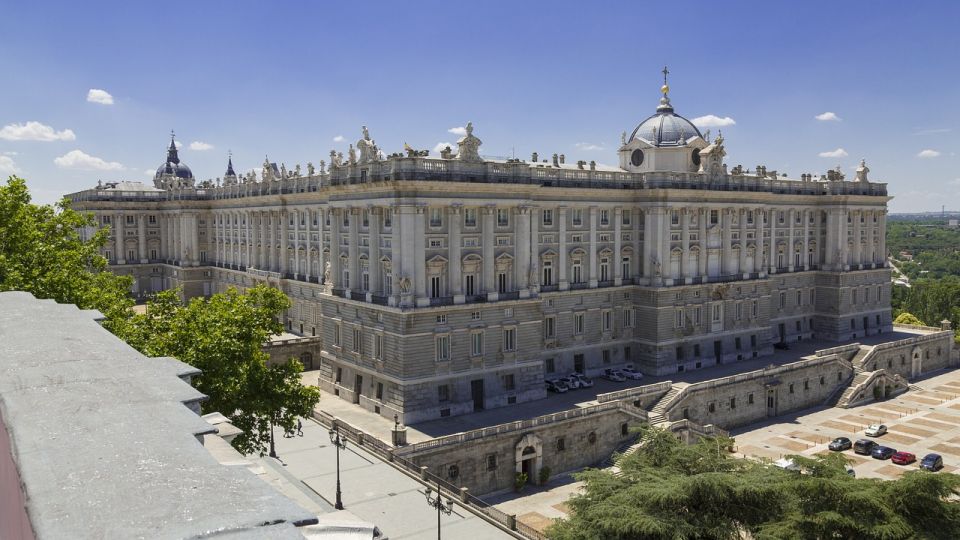
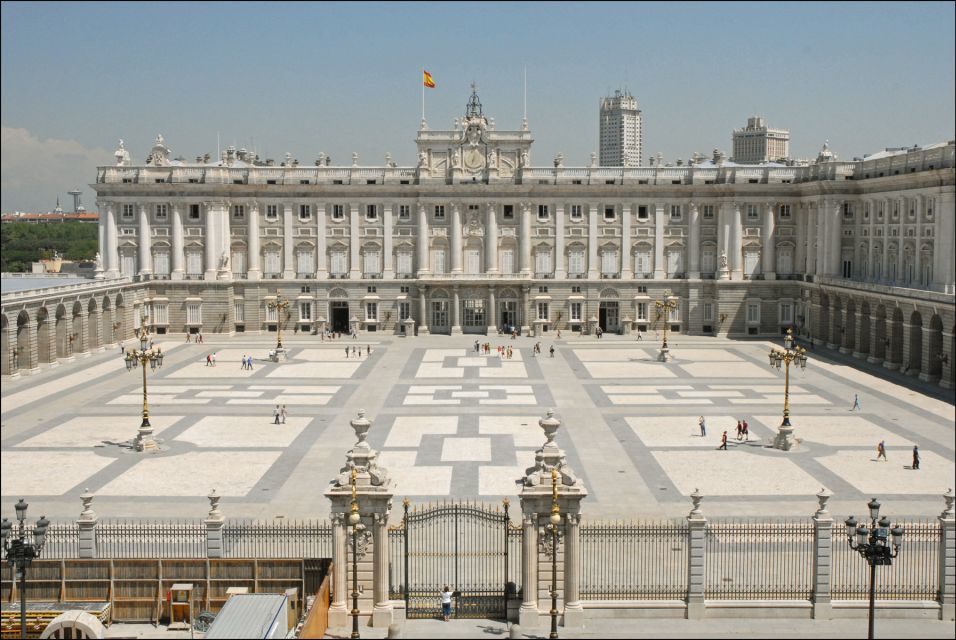
This tour is built around one idea: Spain’s history shows up in how the monarchy lived, ruled, and performed ceremony. The Royal Palace is still used for state ceremonies and solemn acts, which gives the visit a different feeling than a dead museum. You’re not just staring at rooms; you’re seeing how space supports authority.
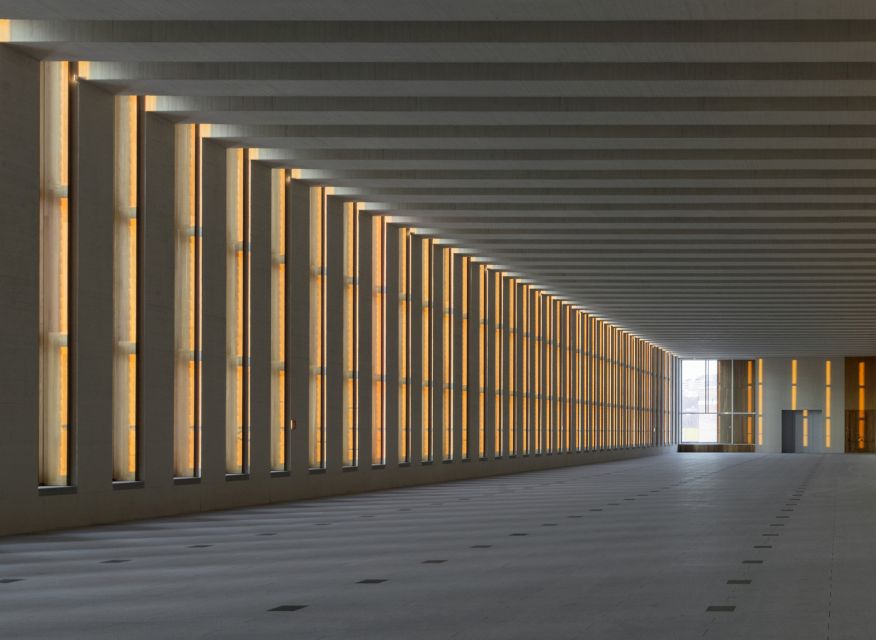
Then you head to the new Royal Collections Gallery, which was designed to hold a very large slice of the collection—650+ works—without feeling cramped. The payoff for me is that you get a palace-first introduction, and then you see more art and objects with room to breathe in a modern setting.
If you like history that connects to real objects—paintings, armor, decorative arts—this format helps a lot. You’ll also notice how the guide’s job is to keep the palace from turning into a blur of gold and ceilings.
You can also read our reviews of more guided tours in Madrid

Meeting at Ópera Square: start point and expectations
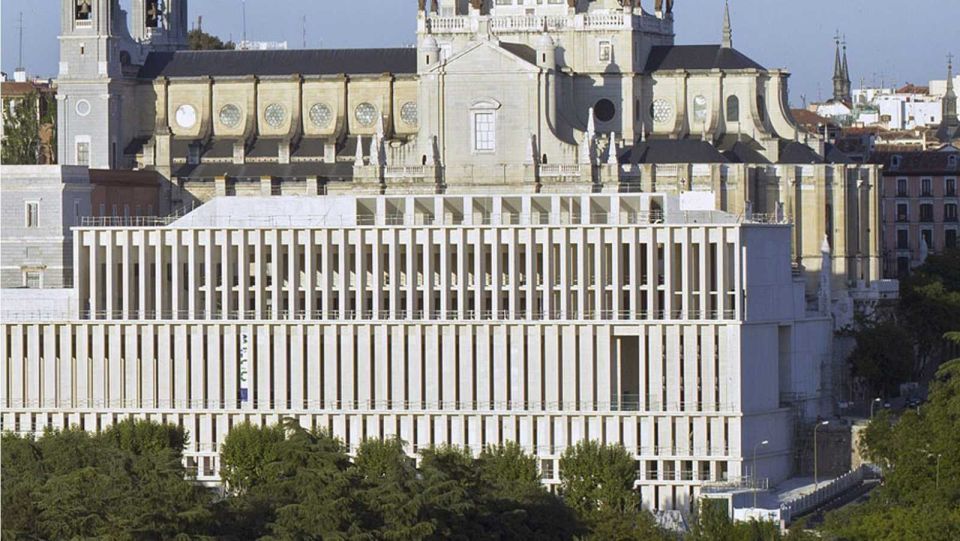
You meet at Isabel II Square, also called Ópera Square, and the tour ends back there. That matters because the palace is busy and finding the right entry flow can eat up time. Starting in a central landmark area makes the morning easier to manage.
The tour runs about 4 hours, and it’s a private group, with the guide working in English and Spanish. That’s a practical plus if you’re traveling as a couple or small group and want your questions answered without waiting your turn.
One more detail that affects your experience: the ticket line is skipped. So instead of losing a chunk of your 4-hour window to entry queues, you start moving through the palace and gallery.
Entering the Royal Palace: from the staircase to the King’s apartments
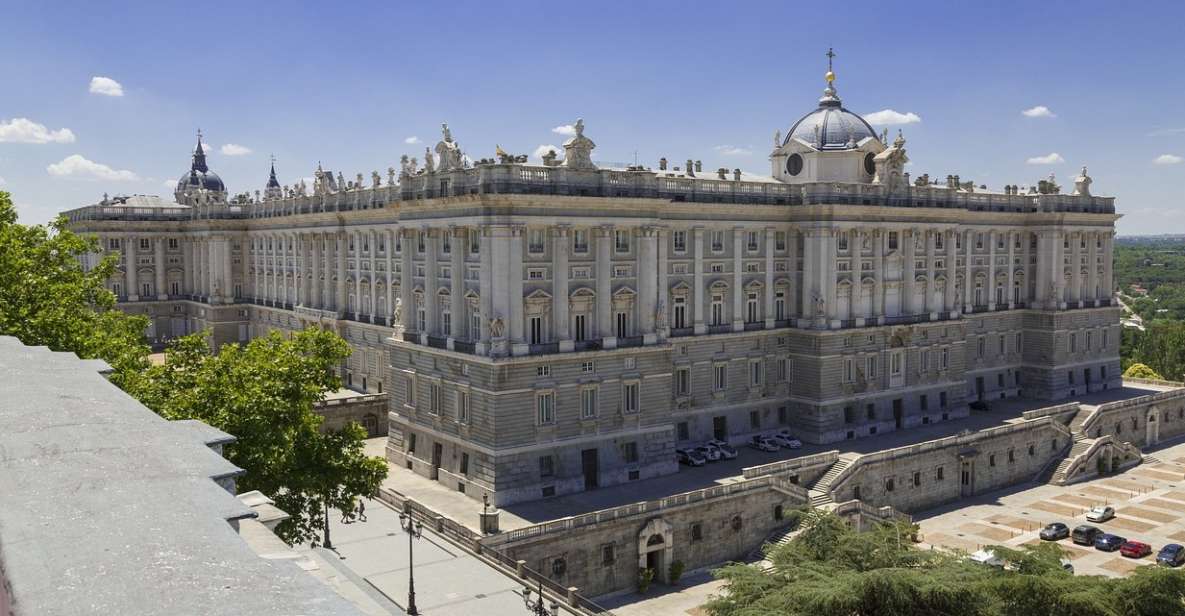
The Royal Palace visit begins with the main spaces and a route that helps you orient fast. One of the first “wow” moments is the great main staircase, the kind of architectural statement designed to impress visitors. From there, you move toward the king’s apartments.
This part is more than scenery. It helps you understand how the monarchy presented itself. The palace layout, the hierarchy of rooms, and the route through them all reinforce who belonged where and how visitors were received.
You’ll also learn that the palace has more than 2,500 rooms. That fact can feel overwhelming, but the guide’s selection keeps you focused on what matters most. Instead of trying to “see everything,” you see the right rooms that unlock the rest.
Felipe VI meeting spaces: watching ceremony shape the room
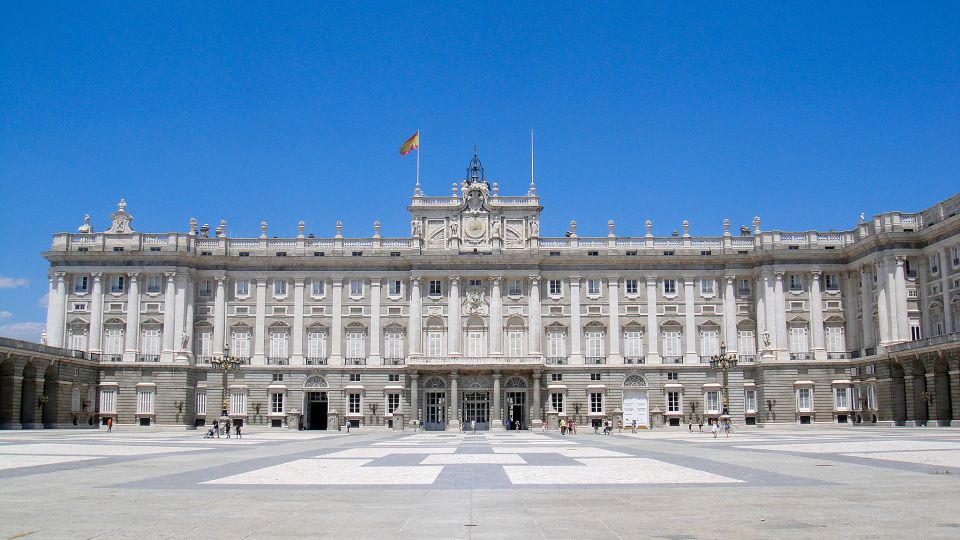
After the staircase, you’ll reach rooms used for high-level state meetings. One highlight is a space where international meetings of the monarch Felipe VI with visiting foreign leaders are held.
This is one of the most practical parts of the tour, even if you’re not a history buff. Seeing how a space works for modern diplomacy makes the palace feel relevant, not just old. It also changes how you look at details like layout, sight lines, and the way people would naturally gather in the room.
Even if you’ve seen royal palaces elsewhere, this palace has that Madrid density—monumental but also deeply integrated into how the Spanish state still functions.
The King-and-Queen private rooms and the Great Gala Dining Room
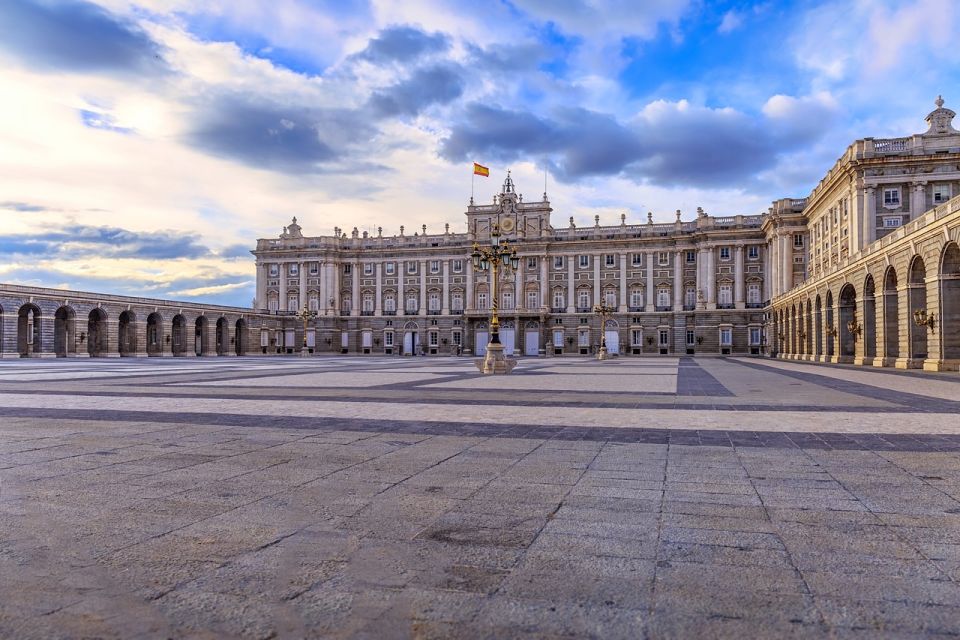
Next comes the shift from public performance to more intimate royal life. You’ll discover the private rooms of the King and Queen next to the Great Gala Dining Room, which is set to accommodate 144 diners.
That dining-room detail is more than trivia. It gives you a feel for scale—this was built for events where politics, rank, and social theater all played out in the same room. For me, that number makes the space easier to imagine with real people, not just empty chairs.
The private rooms also help you connect the palace’s public grandeur to the daily human side of monarchy: privacy, routine, and status all lived side by side. You’ll come away with a better sense of why royal art and decorative objects were placed where they were.
You can also read our reviews of more private tours in Madrid






Porcelain Room and Corrado Giaquinto in the Royal Chapel
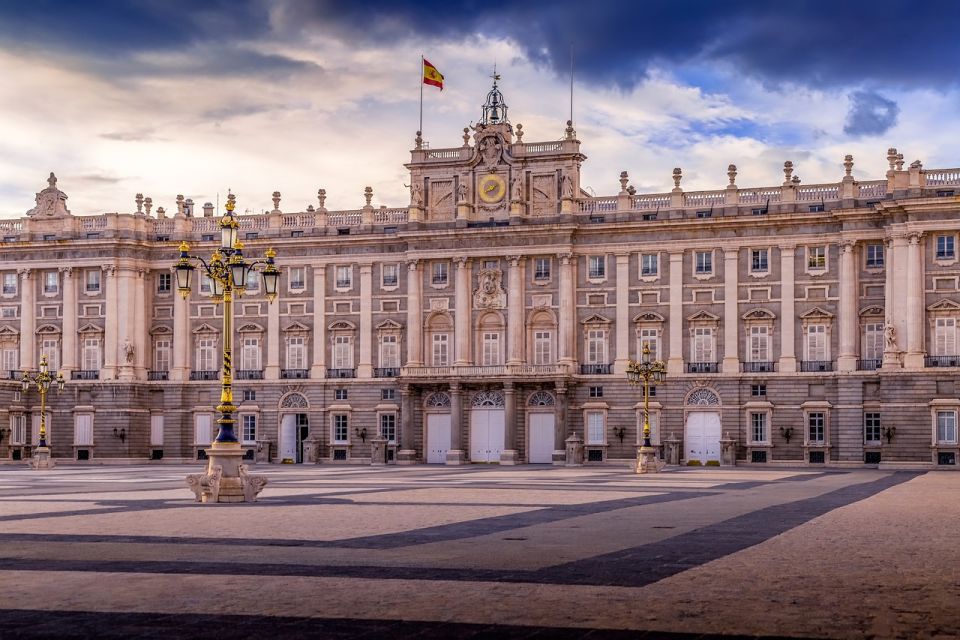
Your tour of the royal collections brings you into two distinct kinds of beauty.
First, the Porcelain Room—a place where decorative arts aren’t background. They signal wealth, global influence, and taste. If you usually skip decorative rooms because you think you’ll miss the “real” art, this stop is a good reason to slow down.
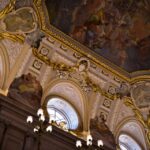
Then there’s the Royal Chapel, frescoed by Corrado Giaquinto. Frescoes can easily turn into ceiling wallpaper if you don’t know what you’re looking for, but a guided visit helps you read them instead of just noticing the colors. The chapel’s role as a sacred space also makes the art feel purposeful, not only decorative.
If you’re the kind of visitor who likes to match art style to place and function, these stops land well because they connect form with setting.
Armor and the Throne Room finale: Charles V and Tiepolo
The palace highlights finish with moments that hit hard visually and historically.
You’ll see armor and a helmet used by Charles V at the Battle of Mühlberg. Seeing battle equipment inside a royal setting does something interesting: it turns abstract history into an object you can understand. It also makes you think differently about the monarchy—this was power backed by military force, not only court ceremony.
After that comes the Throne Room, your last palace stop, where you can admire a fresco by Giovanni Battista Tiepolo. The Throne Room sets expectations instantly: it’s made for display, so you feel the intent behind the art. The guide’s job is to point out what the fresco is doing and why it suits a throne space.
This is a strong finish because it combines symbolism (throne authority), art skill (Tiepolo), and royal history (battle-linked power).
The Polyptych of Isabel la Católica: why one masterpiece matters
Among the major art references in the tour, one stands out for me: the Polyptych of Isabel la Católica by Juan de Flandes.
A polyptych is the kind of artwork that can look overwhelming at first glance—panels, figures, narrative elements. Having it called out as a highlight is useful because the guide can steer you toward what to notice, instead of leaving you to figure it out alone. This is where the “history through art” angle becomes real. Isabel la Católica wasn’t just a figure in a textbook; she’s tied to the collection through a work built for storytelling.
If you like art that carries political and religious meaning, this stop is the kind you’ll remember later when you’re back in your hotel reading about Spain’s rulers.
Inside the new Royal Collections Gallery: 650+ works in one focused flow
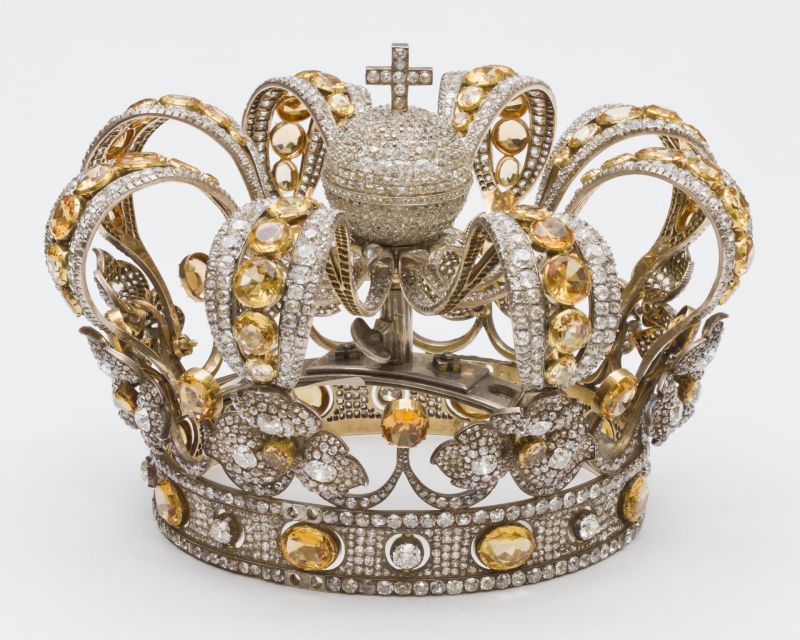
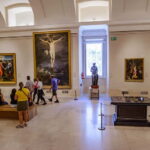
After the Royal Palace, you shift into the Royal Collections Gallery, described as the most important museum project in Spain in decades. It’s designed to present a large selection of the royal collection—more than 650 works—in an environment built for viewing.
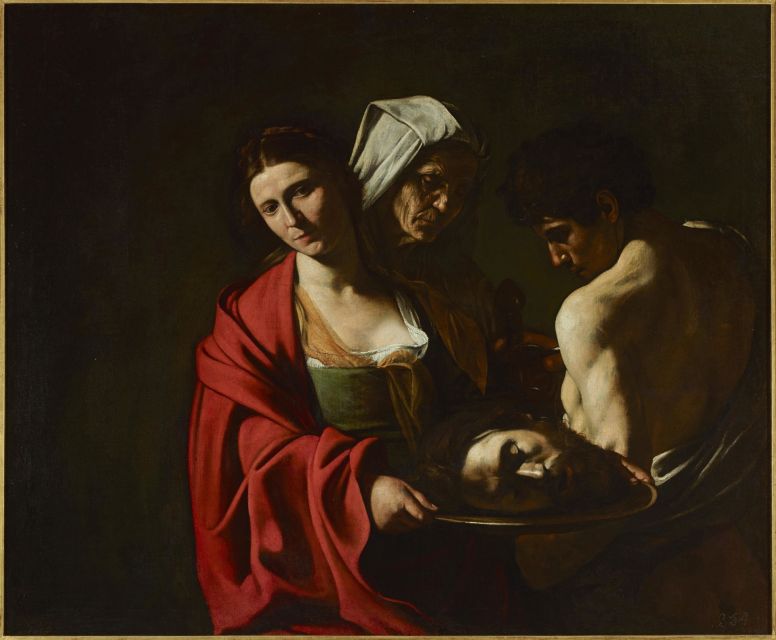
This part matters because the gallery broadens the story beyond palace rooms. The selection includes paintings, sculptures, armor, tapestries, decorative arts, and floats signed by major masters such as El Greco, Caravaggio, Velázquez, Tiepolo, and Goya.
You don’t need to know all their names going in. The guide’s selection approach keeps the visit from becoming a name-dropping exercise. You’re meant to walk away with a sense of what the royal collection represents: different schools, different techniques, and the way Spain collected culture as part of power.
One more practical point: the gallery format often helps visitors stay engaged longer than trying to “power through” an enormous palace route. It’s still a lot, but it’s broken into museum-friendly viewing.
What makes the guide matter (and why English-Spanish switching helps)
The tour’s quality really shows through the guide. One guide named Eva earned high praise for excellent English and for switching back and forth with Spanish smoothly for her group. That kind of flexibility matters because it lets you ask follow-up questions without losing the thread.
Another praised aspect was how the guide handled mobility issues with sensitivity and found solutions so the guest could fully participate. That’s worth taking seriously: it’s not just “wheelchair accessible” on paper; you want a guide who can adjust the pacing and route in real time.
When the guide is strong, you don’t just walk from room to room. You build understanding. You notice connections, like how objects in the palace align with what you’re seeing in the collection gallery.
Price and value: is $169 worth 4 hours?
At $169 per person for a private 4-hour tour, the question isn’t just cost—it’s what you’re buying: access, time, and guidance.
First, the tour includes:
- Expert guide
- Ticket to the Royal Palace
- Ticket to the Royal Collections Gallery
- Skip-the-ticket-line entry
- Private-group format
- English/Spanish live guidance
If you price out palace admission plus gallery admission plus a guide for a full half-day, the total usually gets much higher once you remove the “bundle” effect. Here you’re paying for someone to steer you through the palace’s overwhelming scale (2,500+ rooms) and then make sense of the gallery’s big selection (650+ works).
Second, the time is realistic. Four hours is long enough to cover the major highlights—staircase, king-and-queen spaces, chapel fresco, Charles V armor, throne fresco—and then still arrive at the gallery with energy. It’s short enough that you won’t spend your entire day exhausted.
The value gets even better if you’re the kind of traveler who hates “fast tourism.” This tour is structured so you’re not scanning randomly; you’re seeing chosen stops and understanding why they matter.
Who should book this tour (and who might not)
This tour suits you best if:
- You want a guided story connecting monarchy, art, and Spanish history
- You care about highlights like Charles V’s battle armor, Tiepolo, and Giaquinto
- You like private pacing and asking questions without crowd pressure
- You want both the palace and the Royal Collections Gallery in one day
It might be less ideal if:
- You’re chasing a full self-guided “see every room” day. Even with a guide, 4 hours means you’ll focus on key spaces, not attempt total coverage.
- You’re mainly interested in broad city sights and prefer something outside major museum/palace walls.
For most people who love art + history, this is a strong, efficient plan because it treats the palace and the gallery as two halves of one idea.
Should you book the Royal Palace and Royal Collections private tour?
I’d book it if you want your Madrid royal visit to feel organized and meaningful, not like a checklist. The combination of major palace rooms, specific art highlights like Juan de Flandes’s polyptych, and a gallery stop packed with major names makes the day feel complete.
Also, pay attention to the guide factor. The praise for Eva’s smooth English-Spanish switching and her practical approach to mobility issues is the kind of signal you want. A private guide isn’t just a luxury; it’s what keeps the experience readable and comfortable.
If you’re trying to fit the palace and the new collections gallery into one tight window, this is one of the cleaner ways to do it.
FAQ
How long is the private guided tour?
The tour duration is about 4 hours.
How much does it cost per person?
The price is $169 per person.
Where do I meet, and where does the tour end?
You meet at Isabel II Square, also known as Ópera Square, and the tour ends back at the meeting point.
Does the tour include tickets?
Yes. The Royal Palace ticket and the Royal Collections Gallery ticket are included.
Can I skip the ticket line?
Yes, the tour includes skip-the-ticket-line entry.
What languages is the live guide available in?
The live guide is available in English and Spanish.
Is there an option to cancel for a full refund?
Yes. Free cancellation is available up to 24 hours in advance for a full refund.