REVIEW · MADRID
10 Tapas Cooking Class Experience in Madrid with Sangria
Book on Viator →Operated by A Punto Cooking School · Bookable on Viator
Tapas that you actually cook. This Madrid class turns a snacky dream into a hands-on meal, with up to 10 tapas and homemade sangria included. I love the station-based setup led by chefs like Gustavo (Gus), because you’re not just watching—you’re making. I also love that the menu stays firmly Spanish, from salmorejo to gilda skewers and patatas bravas. One drawback to note: the menu is not fully adapted for diets, so vegetarian and other restrictions may be limited.
The vibe is relaxed but structured: you start at C. de la Farmacia near public transport at 4:00 pm, cook together in a small crew (max 15), then eat your work as a dinner, with a souvenir apron at the end. If you’re hoping for a strict focus on alcohol-free alternatives, read the details in the FAQ—some non-drink options can be more basic than the sangria.
In This Review
- Key things I’d bet you’ll notice right away
- Madrid tapas at 4:00 pm: where you meet and what the timing means
- A real kitchen, small group, real participation (max 15)
- Who teaches: Gus, assistants like Carmencita, and the why behind the food
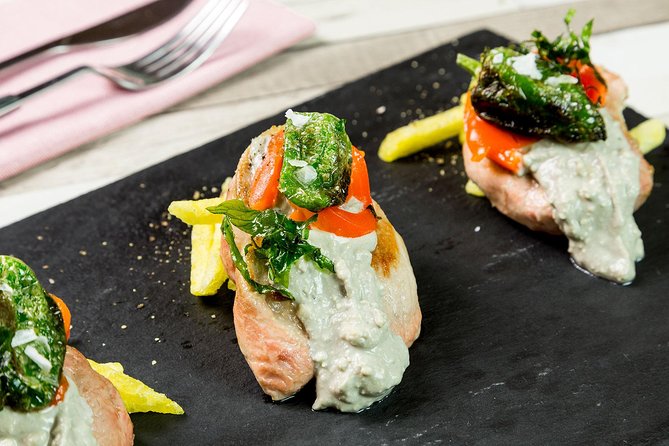
- Your tapas menu: what you’ll likely make and how to think about it
- Starters: cold comfort and bite-sized creativity
- Mains and hot tapas: garlic, oil, crunch, and heat
- Dessert: sweet and regional
- Drinks: sangria you can actually taste in the recipe
- The dinner rhythm: cooking first, then eating like you mean it
- Sangria, wine pairing, and the non-alcoholic trade-off
- Price and value at $82.24: what you’re really paying for
- Dietary needs: vegetarian limits and what to say when booking
- Practical tips to make the class smoother
- Who should book this tapas class (and who might skip)
- Should you book this 10 Tapas Cooking Class in Madrid?
- FAQ
- How long is the cooking class in Madrid?
- Where do I meet, and where does it end?
- What does the $82.24 price include?
- Is hotel pickup included?
- Is the class offered in English?
- Are vegetarian options available?
- What are the age limits, especially for alcohol?
- What if I have dietary requirements or allergies?
- Is there a non-alcoholic alternative if I do not want sangria?
- Can I get a refund if I cancel?
Key things I’d bet you’ll notice right away
- Small-group cap of 15: enough people to feel social, not so many that you get ignored.
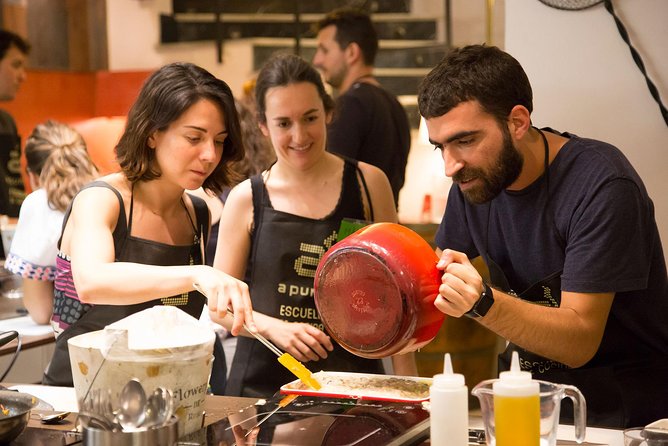
- Hands-on cooking at multiple stations: you’ll be assigned tasks across the tapas spread.
- Gus and the team teach in English: instructions are clear enough for mixed skill levels.
- A menu that mixes Madrid with other Spanish regions: Levante, Balearic Islands, and more show up on one plate.
- Dinner is part of the experience: you eat what you cook, not just a tasting.
- You may even leave with leftovers: some sessions send you home with extra food.
Madrid tapas at 4:00 pm: where you meet and what the timing means
This experience starts at 4:00 pm and runs about 2 hours 30 minutes. The meeting point is C. de la Farmacia, 6 (Centro, 28004), and the activity ends back at the same point. That matters because you’re not stuck with a big commute plan after the class—no long trek for dinner plans, no awkward “now what” moment.
Starting mid-afternoon also fits Madrid well. You avoid the late-night scramble and still get a solid meal. By the time you finish, the city is in that sweet spot between daytime errands and evening dining.
You’ll want to arrive a bit early if you can, especially if you’re navigating on foot or using public transit. The tour is near public transportation and uses a mobile ticket, so it’s usually quick to check in once you’re there.
You can also read our reviews of more cooking classes in Madrid

A real kitchen, small group, real participation (max 15)
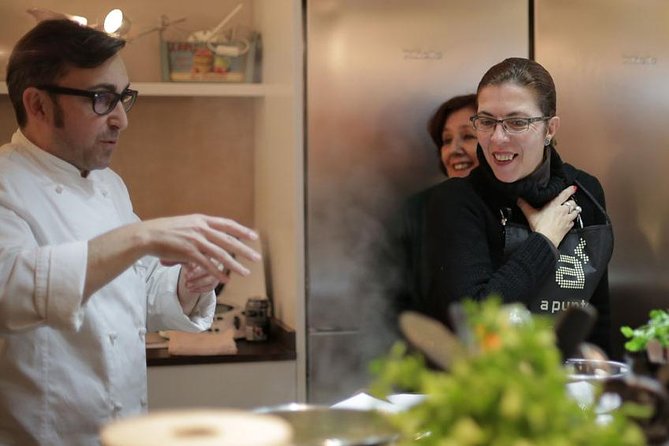
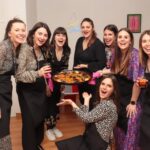
The biggest practical win here is the group size: no more than 15 people. That cap shows up in how the class actually feels. You’re not standing at the back with a pamphlet. The structure is more like a busy family kitchen where everyone has a job.
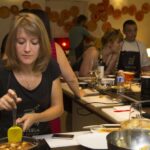
The cooking area is set up so multiple people can work simultaneously. Based on past class setups, the workspace can handle more than one group working on the same dish at the same time, which helps you keep moving. You’ll likely rotate through tasks or get assigned to specific stations as the meal comes together.
This also explains the energy level you’ll feel. When there are several tapas to produce in a short window, the chef can go fast at the start. The good news: the assistants help keep things clean and stocked, and the group format keeps you from feeling lost. If you like interactive learning—chopping, stirring, assembling—this is a great fit.
Who teaches: Gus, assistants like Carmencita, and the why behind the food
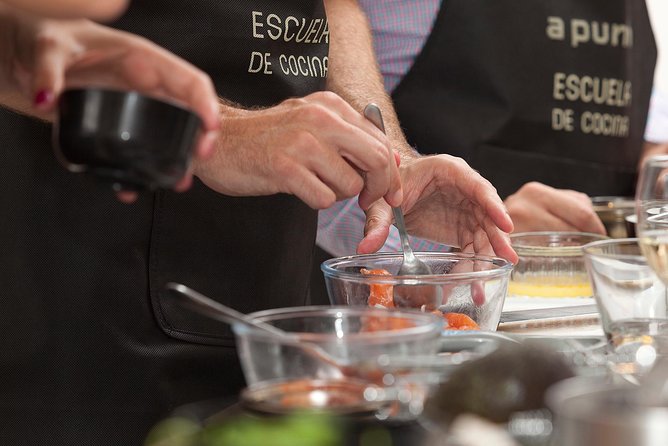
The head instructor is often Gustavo (Gus), and he’s repeatedly praised for making the class both practical and approachable. One theme you’ll keep hearing in high ratings is that he combines food with context—he’ll explain what you’re cooking and why Spanish tapas culture works the way it does.
You can also expect support from team members such as Carmencita or Rosa (their names show up in past sessions). In practical terms, that means you get help when you need it, not just a slideshow and a wave goodbye.
If you’re the type who loves learning the little technique differences—how garlic should be treated in a pan, or how to build a sauce base—this class is built for that. Reviews consistently point to clear instruction and a friendly, inclusive tone, where questions are welcomed and you’re kept busy.
Tip for your mindset: treat this as cooking practice, not a restaurant observation. If you lean into it—ask a question, take the task you’re given—you’ll get more out of it.
Your tapas menu: what you’ll likely make and how to think about it
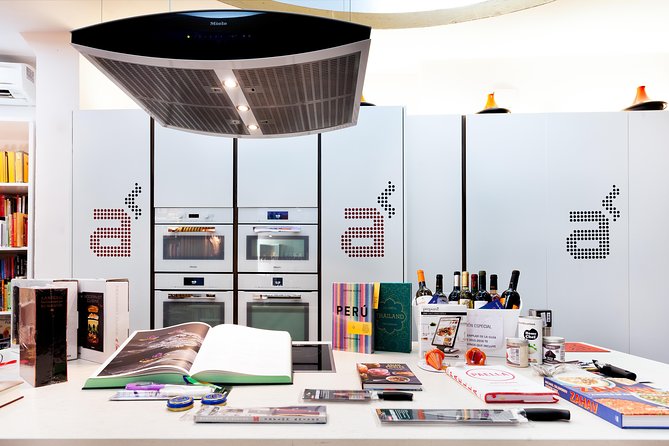
The program is designed for you to craft up to ten tapas dishes. Not everything on your table may be identical to what’s listed in the sample menu, but the menu below gives you a strong idea of the style and range.
Here’s the sample lineup, and what to expect flavor-wise and technically:
Starters: cold comfort and bite-sized creativity
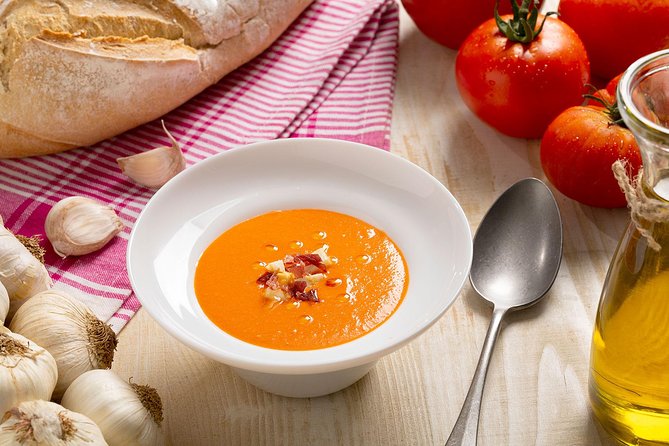
Salmorejo
This is a cold tomato soup, thicker and richer than it sounds. Expect a smooth, spoonable texture. It’s one of those Spanish classics that teaches you how tomato-based starters can be both refreshing and deeply satisfying.
Idiazabal lollipops
Idiazabal is a famous sheep cheese from Spain. The lollipop format is a fun twist: you’re not just learning how cheese behaves, you’re also learning how to shape and finish it so it works as a finger-food presentation.
Coca with sobrasada or vegetables
Coca is like a Spanish-style flatbread/pizza cousin—popular in other regions and often linked with Catalan and Balearic tastes. The option with sobrasada (a paprika-forward pork spread) leans bold and savory. The vegetable version keeps it lighter but still full of flavor.
You can also read our reviews of more tours and experiences in Madrid


Mains and hot tapas: garlic, oil, crunch, and heat
Ajillo shrimps
Fresh shrimp with garlic and a lot of olive oil. This one is about technique and timing: garlic can go from sweet to bitter fast, and the oil is part of the flavor engine. If you like garlicky tapas that taste bright instead of heavy, this is the one.
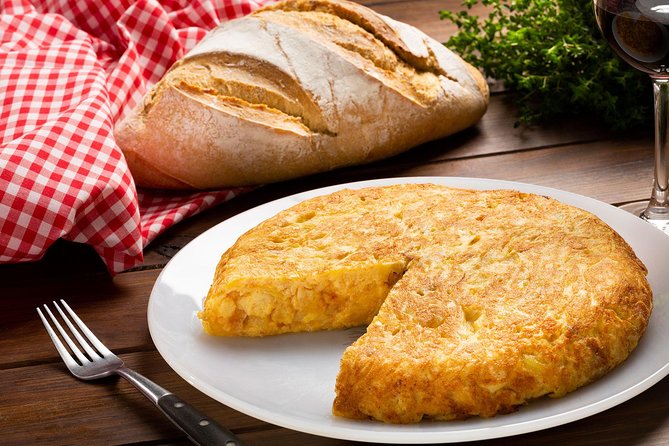
Spanish omelette (tortilla española)
You’ll choose your preference: with or without onion. This is a perfect training dish because it’s simple in concept but needs attention in execution—how you cook the potatoes and how you handle the eggs.
Gilda skewers
Typically olives and anchovies (and often a punchy bite from add-ons). This is tapas in miniature: salty, tangy, and designed to keep you reaching for the next skewer.
Squid sandwich
A Madrid-style fried squid sandwich with alioli sauce. This is a great reality check for “tapas” myths: some tapas are messy, indulgent, and meant to be eaten with your hands.
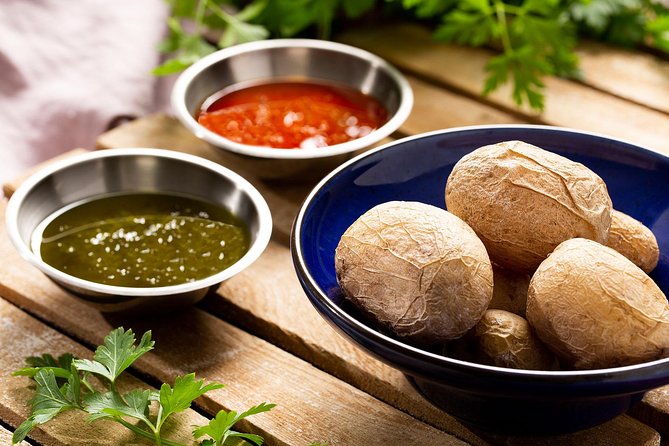
Patatas bravas
Potatoes with a spicy tomato sauce. If you’ve only had bravas that taste like ketchup-flavored heat, you’ll likely appreciate how Spanish versions balance tomato depth with a controlled spice level.
Dessert: sweet and regional
Horchata torrijas
Torrijas are Spanish-style French toast, but here they’re paired with horchata, a Levante drink made from cinnamon and nuts (often tiger nut in traditional forms). It’s comforting and aromatic, and it links you to regional Spain beyond Madrid.
Drinks: sangria you can actually taste in the recipe
Sangría
You’ll have homemade sangria made with fresh fruit and spices. The big value here is that sangria isn’t treated like a bottled afterthought. You’re learning that it’s a flavor system—fruit + spice + something sweet-tart enough to pull everything together.
The dinner rhythm: cooking first, then eating like you mean it
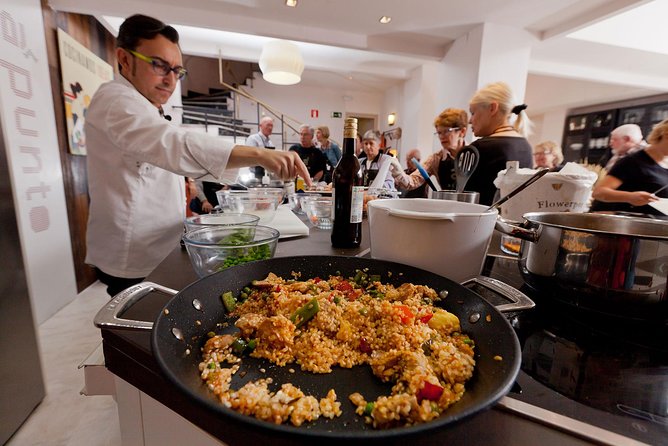
Most classes end with a small tasting. This one ends as a meal. After you cook your tapas, you sit down and enjoy a home-cooked dinner with the drinks included.
A useful expectation: because you’re making several dishes, the pace can feel busy. You might notice quick instructions at the beginning of each station, then more hands-on help as you work. That’s also why the assistant’s role matters—they keep the station moving so people aren’t waiting for ingredients.
Some past sessions have also sent people home with leftovers. That’s not guaranteed, but if it happens, it’s a nice “extra” value: you get more than just the moment you spent cooking.
Sangria, wine pairing, and the non-alcoholic trade-off
Sangria is included, and it’s homemade. That’s the headline.
The class description also mentions pairing the meal with a selection of regional wines. So if you drink wine and sangria like an easy-going Spaniard, this dinner will probably feel like a proper sit-down.
Now the careful part: there’s a known issue in at least one experience—someone who wanted a non-alcoholic replacement reported it was a soft drink, which felt like it didn’t match the paid value. In other words, the exact non-alcoholic option isn’t clearly outlined. If you’re not drinking, message or ask ahead how the alternative is handled so you can decide if you’re comfortable with it.
If you do drink, great. If you don’t, go in knowing the sangria experience might not fully be swapped for something equally “special.”
Price and value at $82.24: what you’re really paying for
At $82.24 per person, you’re paying for more than a fun evening. Here’s where the value comes from:
- You get instruction + all ingredients. That’s a big cost that’s often missing from cheaper “tapas” activities.
- You eat a dinner made from the dishes you prepare. It’s not a snack-only experience.
- Free sangria is included, which changes the math compared to a class where you supply your own drinks.
- Small group size (max 15) means the chef can actually coach people while multiple stations run.
Is it pricey? Yes, it’s not a budget activity. But if you want a hands-on class that results in a full dinner (and you’d otherwise spend a chunk of money going out), the cost can feel more reasonable. You’re also leaving with a souvenir apron, which is small but not meaningless if you like cooking.
If you’re the kind of traveler who enjoys learning techniques you can repeat, the price starts to look more like an investment than a ticket stub.
Dietary needs: vegetarian limits and what to say when booking
This is where you should be picky, because the details are clear:
- There is no vegetarian option for the whole menu.
- Almost half of the tapas proposed are vegetarian, but not everything is.
- The operator asks you to advise dietary requirements at booking, but they do not adapt the whole menu to dietary restrictions.
So what should you do? If you’re vegetarian, don’t assume you’ll get a full vegetarian tapas spread. Instead, expect some dishes to fit and others not to. If you have allergies or strong dietary restrictions, contact the provider before booking and explain clearly what you need avoided.
Also note the basics:
- Minimum age is 14.
- Minimum drinking age is 18.
If you’re traveling as a family or with teens, this matters. If you’re going as adults who want sangria, it’s not an issue.
Practical tips to make the class smoother
These are the small things that make the evening go better:
- Pick your station focus if there’s a choice. In past sessions, people noted that selecting where you want to learn most helps you get a satisfying experience.
- Be ready to cook. This is interactive. If you’re hoping for a sit-and-watch demo, you might feel impatient.
- Ask about recipes if you’re hoping to recreate dishes later. One experience suggested recipes may be sent, but it’s not something you should assume without asking.
- Wear comfortable clothes. You’ll be in a working kitchen environment, and you’re also making foods that can be messy.
One extra bonus detail: the location has an upstairs book area with cookbooks. If you have a minute before or after, it’s a fun place to browse for Spanish cooking ideas you can bring home.
Who should book this tapas class (and who might skip)
This class is ideal for you if:
- You want a hands-on Madrid food experience, not just eating out.
- You enjoy tapas and want techniques you can repeat later.
- You like meeting other people in a structured, friendly way. Many high ratings highlight laughs, camaraderie, and meeting folks from different backgrounds.
You might skip if:
- You need a fully vegetarian menu or strict dietary accommodations for the full meal.
- You don’t want any alcohol and need a clearly equivalent non-alcoholic replacement.
If you’re on the fence, think about your travel style. If you like learning by doing, you’ll probably feel you got your money’s worth.
Should you book this 10 Tapas Cooking Class in Madrid?
My quick take: if you’re looking for a memorable Madrid night that’s practical, social, and genuinely hands-on, this is a strong pick. The combination of a small group, chef-led instruction (often Gus with a supportive team), and a menu built around classic Spanish flavors makes it more than a gimmick.
Just go in with eyes open on two things: dietary flexibility is limited, and the non-alcoholic drink option isn’t clearly positioned as a perfect sangria substitute. If those don’t bother you, this is the kind of evening that turns into a food story you’ll repeat for years.
FAQ
How long is the cooking class in Madrid?
The class runs about 2 hours 30 minutes.
Where do I meet, and where does it end?
You meet at C. de la Farmacia, 6, Centro, 28004 Madrid, Spain, and the activity ends back at the meeting point.
What does the $82.24 price include?
It includes the cooking class and all ingredients, a home-cooked dinner, free sangria, and a souvenir apron.
Is hotel pickup included?
No. Hotel pickup and drop-off are not included.
Is the class offered in English?
Yes, the class is offered in English.
Are vegetarian options available?
There is no vegetarian option for the whole menu. Almost half of the tapas offered are vegetarian, but the full lineup is not.
What are the age limits, especially for alcohol?
Minimum age is 14 years. The minimum drinking age is 18 years.
What if I have dietary requirements or allergies?
You should advise dietary requirements at booking, but the menu is not fully adapted for dietary restrictions.
Is there a non-alcoholic alternative if I do not want sangria?
Sangria is included, but one review reported that a non-alcoholic replacement was a soft drink. The exact alternatives aren’t detailed in the main information, so it’s smart to ask ahead.
Can I get a refund if I cancel?
Yes—free cancellation is available up to 24 hours before the start time for a full refund. Canceling less than 24 hours before the experience start time is not refundable.