REVIEW · MADRID
Madrid: Half-Day Spanish Cooking Class
Book on GetYourGuide →Operated by Cooking Point · Bookable on GetYourGuide
Paella becomes personal the moment you start cooking. This half-day class in Madrid pairs you with an English-speaking chef (hosts like Angel or Eduardo) and teaches you by doing, with a market visit if you book the morning option.
I also like that you leave with a recipe booklet and a full meal you helped make, with sangria included. One possible drawback: there’s no hotel pickup, and the session runs a full 4 hours, so you’ll want to be ready for hands-on work.
In This Review
- Key highlights at a glance
- Paella Morning or Tapas Evening: picking the right 4-hour plan
- Market Stop in the Paella Class: how Madrileños shop for dinner
- Cooking Your Menu in Pairs: what you’ll actually do step-by-step
- Morning paella dishes: chicken, seafood, and the cold counterpoint
- Evening tapas dishes: five plates plus a sweet finish
- The lunch or dinner table: why you eat everything you cook
- Allergies and dietary needs: what the class can handle
- Value check: is $100 per person a smart use of time?
- Who should book this cooking class in Madrid
- Quick planning tips so your day goes smoothly
- Should you book this Madrid cooking class?
- FAQ
- What are the two options for this cooking class?
- How long is the experience?
- Is the class taught in English?
- Does the price include food and drinks?
- Is a market tour included?
- What dishes do you make in the tapas class?
- What dishes do you make in the paella class?
- Do I cook if I book alone?
- Can the class accommodate allergies or dietary needs?
- Is hotel pickup and drop-off included?
Key highlights at a glance
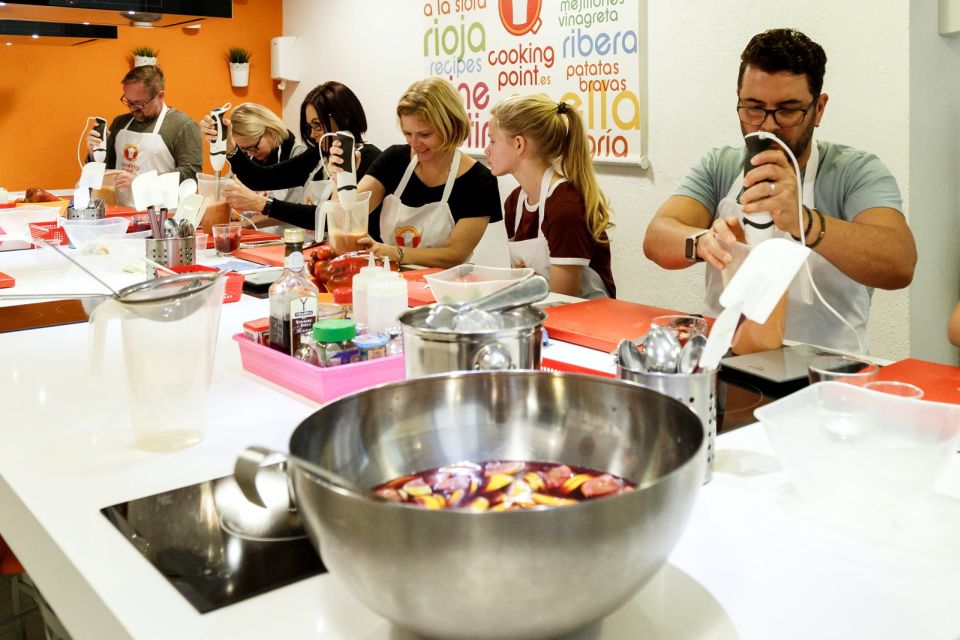
- Choose your vibe: paella + market in the morning, tapas in the evening
- Cook from start to finish in a pair setup (solo bookings get a partner)
- Eat what you make for lunch or dinner, plus sangria
- Market visit (paella option) teaches how locals shop, not just what to buy
- Dietary needs can be accommodated, including allergies and intolerances
- English instruction with clear step-by-step guidance from the chef
Paella Morning or Tapas Evening: picking the right 4-hour plan
This is the kind of Madrid activity that fits real schedules. You get two different formats, both set for a 4-hour block, and both focus on doing the cooking yourself, not standing on the sidelines.
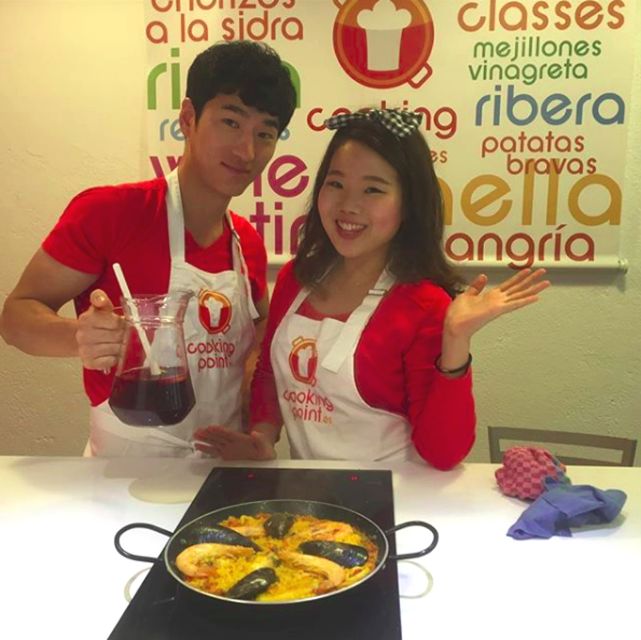
Morning is built around paella. You start with a local market trip where you shop for the ingredients you’ll use, then you return to cook a mixed chicken and seafood paella, plus gazpacho (cold tomato soup) and sangria. Afternoon energy, then a satisfying lunch.
Evening is simpler on logistics but more “casual dinner” in feel. You’ll cook five tapas, plus a dessert and sangria. The tapas menu is very specific: Spanish potato omelet, garlic shrimp, chorizo in apple cider, patatas bravas, and tomato bread with ham. Dessert is Catalan crème, which is a nice sweet landing after a salty lineup.
How to choose? If you love food markets and want context for what you’re buying, go paella morning. If you just want a fun cooking-and-eating night with a classic tapas set, choose tapas evening. Either way, you’re not stuck eating someone else’s meal. You’re building yours.
Practical note: the meeting point can vary by option, and there’s no hotel pickup. So plan to get there under your own steam, ideally with a short walk or quick taxi/ride depending on where you’re staying.
You can also read our reviews of more cooking classes in Madrid

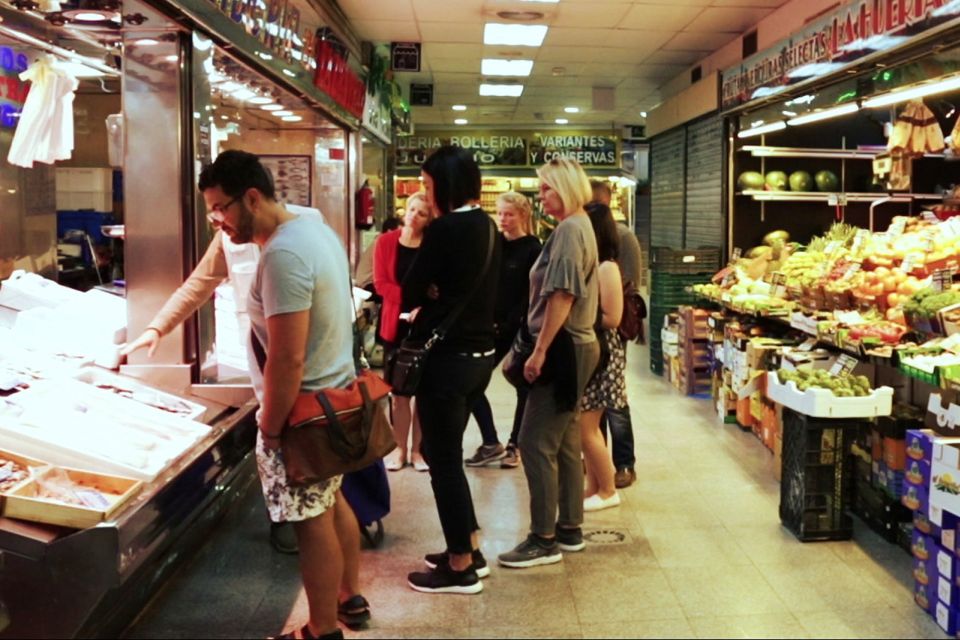
Market Stop in the Paella Class: how Madrileños shop for dinner
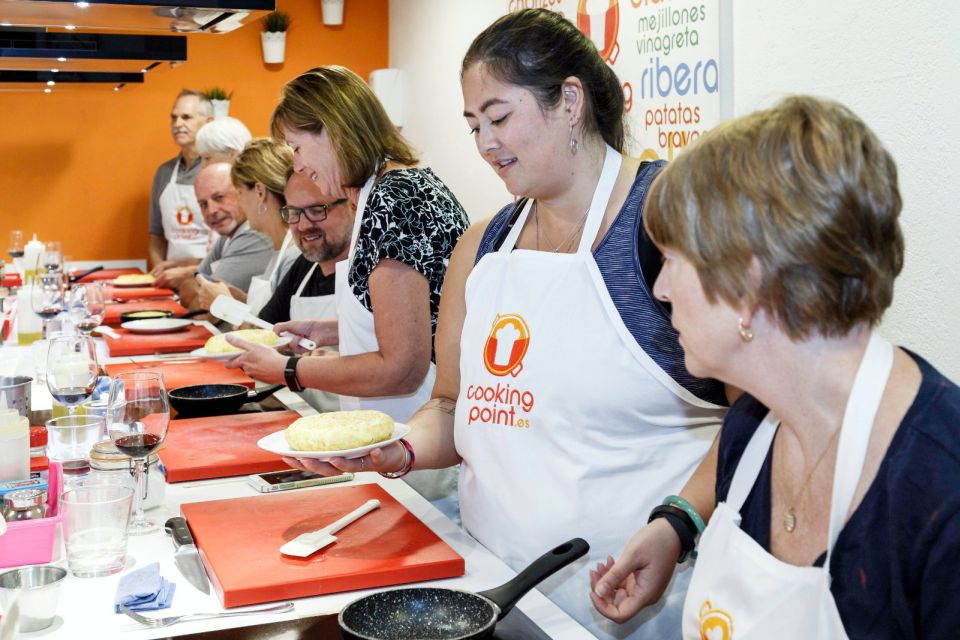
If you pick the morning paella class, the market stop is the real head start. This isn’t a long sightseeing detour. It’s shopping with a chef-type guide mindset: what to choose, why it matters, and how Spanish markets work as part of daily life.
The best market moments here come from how instructors explain food details you’d miss on your own. In particular, some hosts (like Eduardo) have a way of turning the walk into a mini lesson. You might learn how cuts and curing styles show up in Spanish cooking, and you may even get pointed guidance on things like meats used for flavor and aroma. One highlight from past classes is learning about ham in the market—exactly the sort of detail that helps paella ingredients make sense instead of feeling random.
You also get hands-on value: you’re buying the same ingredients that will show up in your pan later. That means when you’re cooking, you’re not wondering what you should be looking at. You remember the purchase, and the dish clicks faster.
Drawback to consider: the market stop adds early energy demands. If you’re the type who needs caffeine and quiet time before functioning, you might feel it. But if you enjoy food and don’t mind walking, it’s a strong start to the day.
Cooking Your Menu in Pairs: what you’ll actually do step-by-step
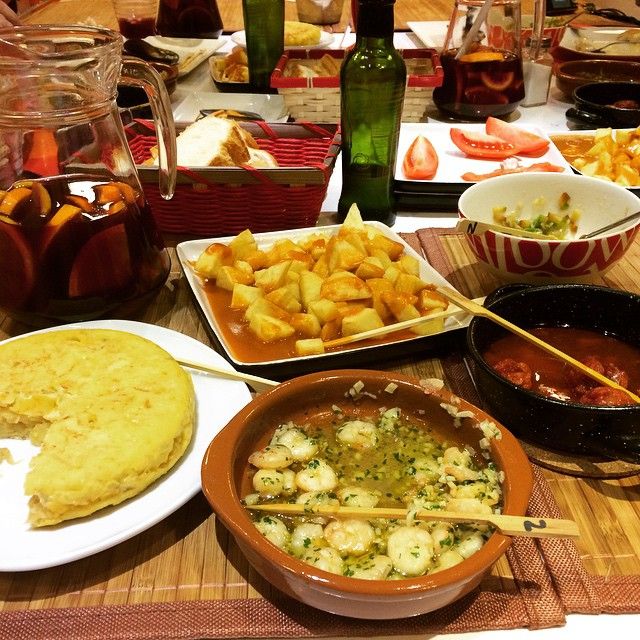
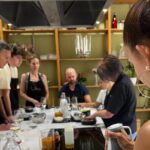
The format is hands-on and structured, with cooking happening in pairs. If you go solo, you’ll be assigned a partner, so you won’t be stuck watching. That detail matters more than it sounds. It keeps the class moving and prevents the awkward situation where one person is waiting while others cook.
What I like about how the class is set up is that it balances guidance with ownership. Chefs guide you through classic techniques and then put you on the station. People describe the teaching as clear, with step-by-step instruction, and the vibe tends to feel relaxed rather than rushed. That matters because paella and tapas can go wrong fast if you skip basics like timing and heat control.
Morning paella dishes: chicken, seafood, and the cold counterpoint
In the paella option, you’ll make:
- Mixed paella with chicken and seafood
- Gazpacho, a cold tomato soup that cools you down during cooking and works as a palate reset
- Sangria, your drink that turns work into a celebration
The mixed paella is a great learning platform. It lets you see how different proteins behave and how seasoning builds. Plus, you’ll get technique practice that’s useful even if you never make paella for a crowd again.
Evening tapas dishes: five plates plus a sweet finish
In the tapas option, you’ll make five tapas and one dessert:
- Spanish potato omelet
- Garlic shrimp
- Chorizo in apple cider
- Patatas bravas
- Tomato bread with ham
- Dessert: Catalan crème
- Plus sangria
This menu is smart for beginners. It spreads your practice across roasting, sautéing, building sauces, and assembling items. You also get a repeatable structure for later: pick one base element, cook it with focused flavor, then plate it as a tapas portion instead of a huge main course.
One extra practical tip that comes up from past participants: you may get little prep guidance along the way, such as techniques to make seafood easier to handle. That kind of “small but useful” coaching is exactly what you want from a hands-on class.
You can also read our reviews of more tours and experiences in Madrid

The lunch or dinner table: why you eat everything you cook
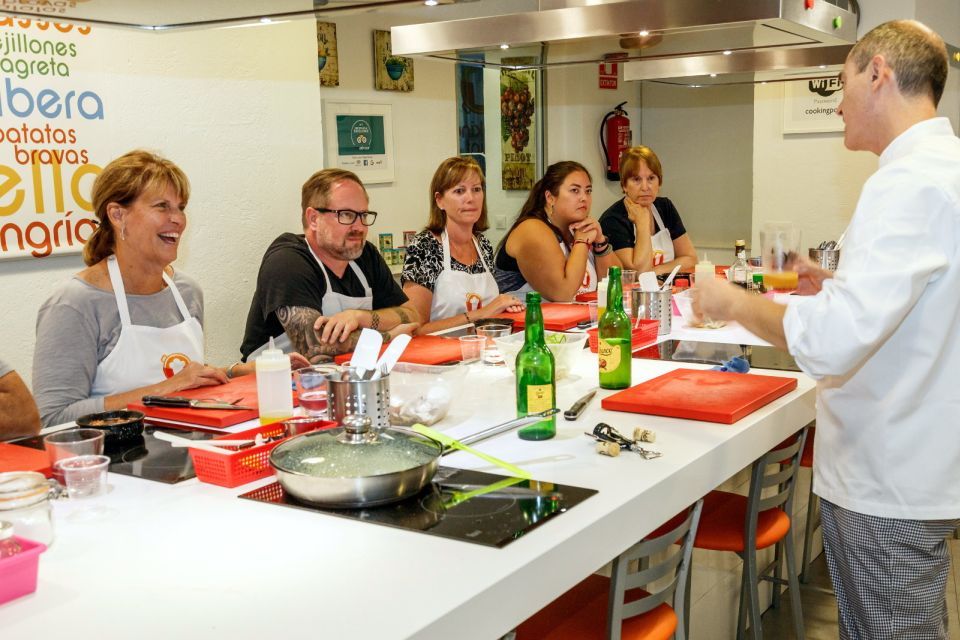
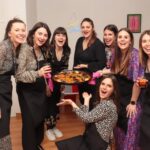
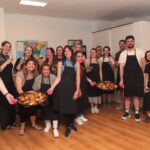
This is not a drop in, watch the chef, take photos, leave situation. After cooking, you sit down and eat what you made as a group. For me, that’s the best value piece. You don’t just learn. You confirm the results.
In the morning paella class, that means lunch feels like a finish line. In the evening tapas class, you effectively get your casual dinner. Either way, the meal is part of the teaching. You share the plate, talk about what worked, and get the comfort of knowing the recipes aren’t just theory.
Sangria is included in both formats. Many people note it as plentiful, which helps because it turns the class into a social event without needing nightlife plans afterward. Just keep a realistic pace—4 hours plus cooking plus alcohol can sneak up on you.
If you’re traveling with kids, this meal setup is a big plus. People have done the class with children and say it stays fun for different ages. Tapas especially can be easier for kids to like since it’s smaller portions and familiar flavors.
The one consideration: cooking creates full-on appetites. If you’ve planned a heavy Madrid dinner reservation right after, you might want to schedule it later or choose something lighter. This class feeds you.
Allergies and dietary needs: what the class can handle
Food restrictions can make or break a cooking experience. The good news here is clear: food allergies, intolerances, and dietary requirements can be accommodated.
I’d still treat it like any good cooking booking: tell the provider your needs when you reserve. That way the chef can plan what changes if anything is necessary. Since the class includes all ingredients and drinks, they’re already building the meal around the group needs instead of you having to improvise.
If you’re gluten-free, lactose-free, vegetarian, or avoiding a particular ingredient, don’t assume the class can magically swap everything without limits. But the fact that the provider explicitly handles dietary needs is a strong signal that they take it seriously.
For families, this is also comforting. If kids can’t eat something common in Spanish cooking, you’re not stuck with snacks from a vending machine while others enjoy the full menu.
Value check: is $100 per person a smart use of time?
At $100 per person for a 4-hour, chef-led class in central Madrid, you’re not buying a quick activity. You’re buying a structured cooking lesson plus ingredients, drinks, and a meal. That’s what makes the price easier to justify.
Here’s the breakdown in practical terms:
- You get all ingredients and drinks provided.
- You get a recipe booklet to recreate the food later.
- You get lunch or dinner included, depending on the option.
- If you do the morning option, you also get a market tour included, which adds both time and shopping context.
When cooking classes are overpriced, it’s often because you pay for observation and a few scraps. Here, the class is designed around you cooking with guidance and then eating the results. That’s where the money turns into value.
Also, the English instruction helps reduce the common hassle of hands-on classes. If you’ve ever had to guess what a chef meant mid-recipe, you know why language matters. English guidance makes it easier to learn correctly the first time.
If you’re on a tight budget, you may decide this is a splurge. If food is a big part of your trip, it’s one of the more satisfying splurges because it gives you both an experience and something usable after you go home.
Who should book this cooking class in Madrid
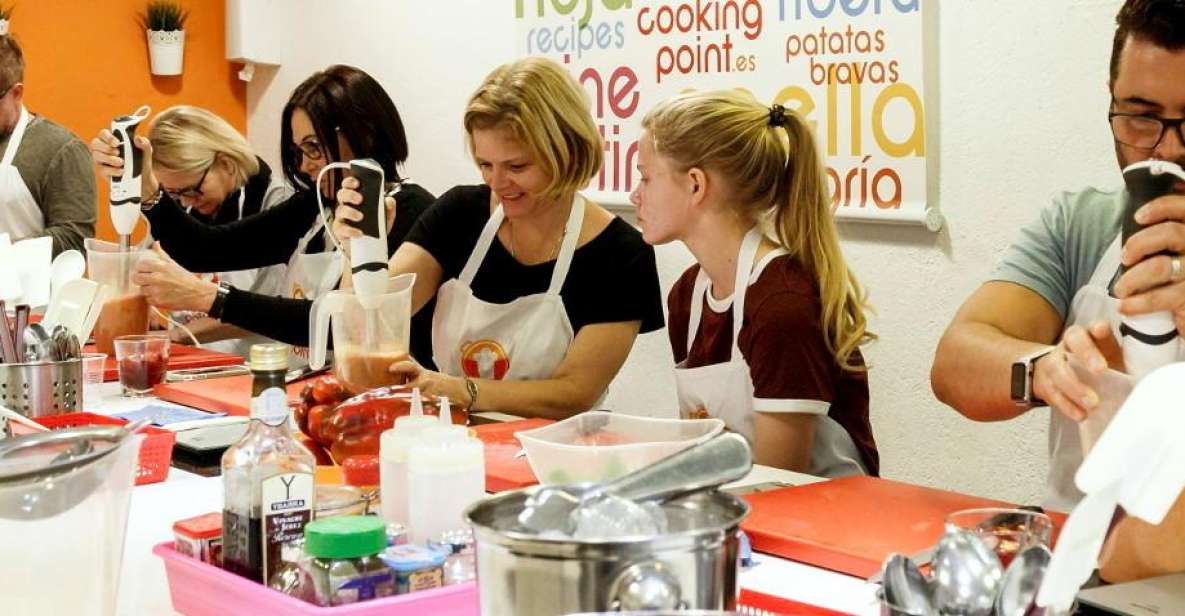
This class suits a surprising range of travelers because the format is straightforward and social.
Book it if:
- You want a Spanish cooking skill you can repeat later, not just a meal out
- You’re a beginner who needs clear steps and encouragement while you cook
- You’re traveling solo and want structure (you cook in pairs, and a partner is assigned)
- You want something family-friendly that can work for kids and adults
- You love markets and want the paella option where shopping is part of the lesson
It might not be the best fit if:
- You hate standing at a stove for a few hours (even with guidance, you’ll be active)
- You rely on hotel pickup and struggle with navigation—there’s no pickup, and meeting point details vary
- You’re trying to stack back-to-back activities immediately before and after the class without buffer time
A small comfort: past participants consistently describe the kitchen environment as clean, with good equipment for people cooking in groups. That’s important. It reduces stress when you’re learning new techniques.
Quick planning tips so your day goes smoothly
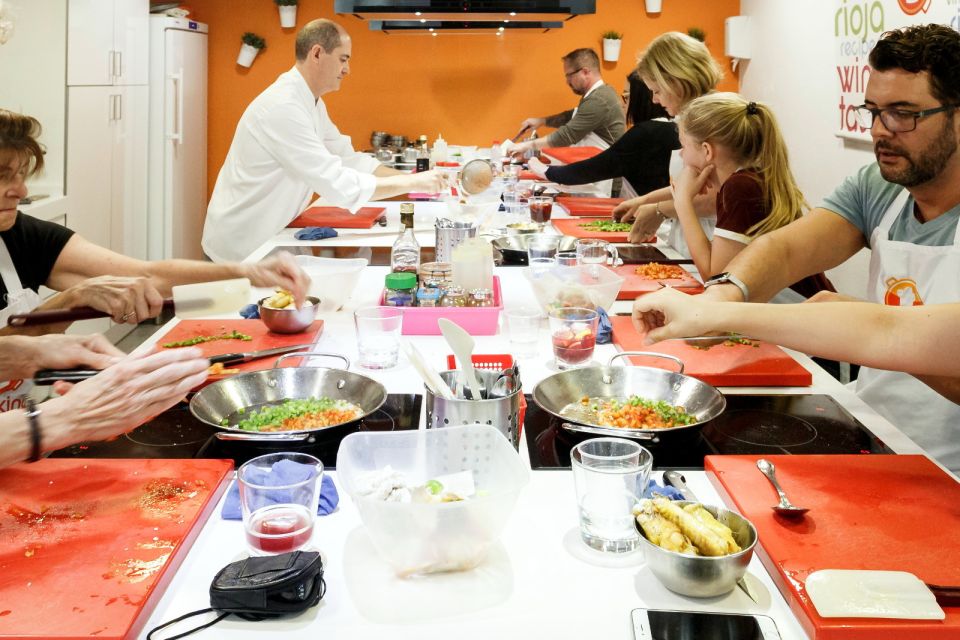
You don’t need a lot of prep, but a few smart moves help:
- Pick the option that matches your day: paella morning for market learning, tapas evening for a lighter schedule
- Plan to arrive a little early since the meeting point can vary
- Wear shoes you can stand in comfortably; you’ll be at workstations
- If you have dietary needs, communicate them clearly when booking so the chef can plan ingredients and drinks
Also, keep the group dynamic in mind. People often come away not just with recipes, but with new friendships from the shared cooking and table time. Pair cooking makes that more likely because you’ll be in conversation while you work.
Should you book this Madrid cooking class?
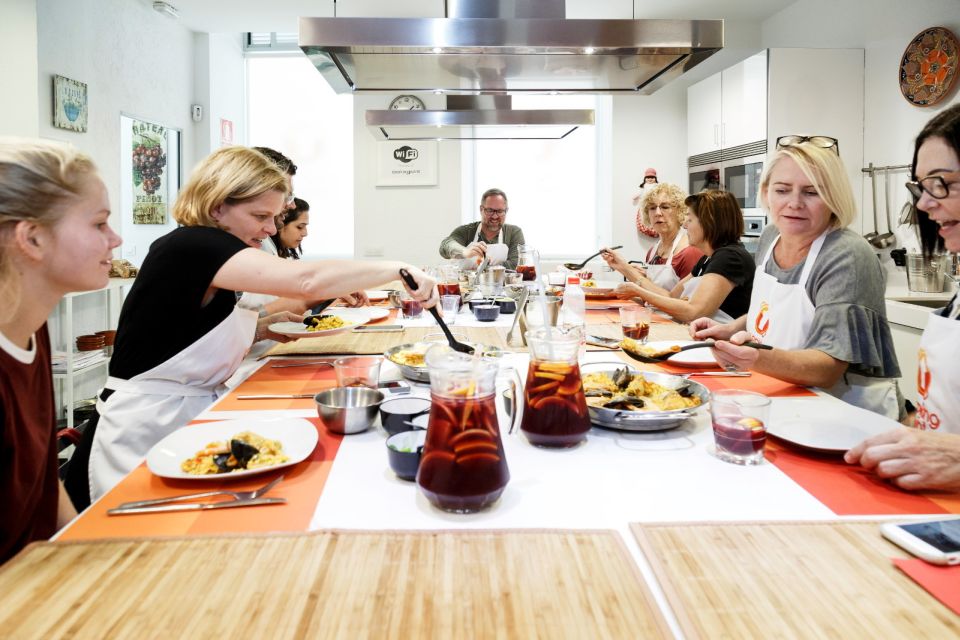
If you want a hands-on, structured Spanish food experience that ends with you eating your own paella or tapas, I’d book it. The biggest reasons are practical: you cook start to finish, you get a recipe booklet, and you’re not left guessing what you did wrong because you’ll taste the finished dish right there.
Choose the paella morning if you want the market walk and a lesson you can remember the next time you’re choosing seafood or deciding what makes paella taste like paella. Choose the tapas evening if you want a fun dinner plan, a specific set of tapas dishes, and the comfort of a sweet ending with Catalan crème.
Just go in expecting to cook for real and to handle your own getting-to-the-meeting-point. If that fits your travel style, this class is a solid value and a genuinely fun use of a Madrid half day.
FAQ
What are the two options for this cooking class?
You can book a morning paella class with a market visit, or an evening tapas class.
How long is the experience?
It lasts 4 hours.
Is the class taught in English?
Yes, the instructor teaches in English.
Does the price include food and drinks?
Yes. All the ingredients and drinks are included, along with lunch or dinner depending on the option.
Is a market tour included?
It’s included only for the morning paella option.
What dishes do you make in the tapas class?
You’ll cook 5 tapas plus 1 dessert and sangria. The tapas are Spanish potato omelet, garlic shrimp, chorizo in apple cider, patatas bravas, and tomato bread with ham. Dessert is Catalan crème.
What dishes do you make in the paella class?
You’ll make mixed chicken and seafood paella, gazpacho, and sangria.
Do I cook if I book alone?
Cooking is done in pairs. If you book solo, the provider assigns you a cooking partner.
Can the class accommodate allergies or dietary needs?
Yes. Allergies, intolerances, and dietary requirements can be accommodated.
Is hotel pickup and drop-off included?
No. Hotel pickup and drop-off are not included.