REVIEW · MADRID
Madrid: 10 Tapas 2.5-Hour Cooking Class
Book on GetYourGuide →Operated by A Punto Cooking School · Bookable on GetYourGuide
Tapas cooking beats another museum night. This hands-on 10 tapas class in Madrid turns cooking into the main event, with small-group teamwork and a real meal at the end. I especially love learning Spanish recipes by doing the prep steps myself, not just watching, and I also like that you eat what you make with sangría. One catch: you won’t personally cook every single tapa, since you rotate in groups of 3–4.
You’ll cook classics you’ve probably seen on tapas boards, including gilda (Basque pepper-and-anchovy skewers) and pan tumaca from Catalonia. It runs in a fully equipped kitchen and is taught in English, so you can focus on technique and flavor instead of translating. Plan to meet outside the shop at Calle de la Farmacia, 6, A Punto shop, street level (not inside).
In This Review
- Key things to know before you book
- Why this 2.5-hour tapas class fits Madrid so well
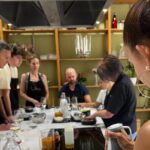
- The kitchen setup: hands-on cooking without the chaos
- What you’ll cook: 10 tapas tied to Spanish regions
- The chef-teacher experience in English (and why it matters)
- Your meal: sangría paired with what you cooked
- What you take home: recipes and an apron
- Price and value: is $80 worth it?
- Who this class suits best (and who should skip it)
- Before you go: vegetarian limits and rules that affect planning
- A real-world way to get the most out of the class
- Should you book it?
- FAQ
- How long is the Madrid 10 Tapas cooking class?
- Is the class taught in English?
- Do I cook all 10 tapas by myself?
- Is there a vegetarian option?
- Is sangría included?
- Where do I meet the guide?
Key things to know before you book
- 10 tapas, across multiple Spanish regions: you get a mini food map of Spain, not one single style
- Small groups of 3–4: you cook in parallel, so everyone stays active
- Chef-led technique, in English: you learn the method and the ingredient logic, not just the recipe
- You eat your creations: your finished tapas come to the table with Spanish sangría
- You take home the recipes and an apron: practical keepsakes for cooking later
Why this 2.5-hour tapas class fits Madrid so well
Madrid is great for late dinners, wandering, and tapas-hopping, but you can burn a lot of time doing the same thing: eat, walk, repeat. This class gives you something different. In just 2.5 hours, you get a full cooking experience plus a sit-down meal. It’s an efficient way to spend an evening without losing your whole night.
I like that the class is designed as a complete outcome. You don’t just leave with recipes and good intentions. You leave having handled ingredients, learned how to assemble and season, and then tasted everything you made. That makes it far easier to recreate at home, because your memory is tied to the actual steps you did.
You can also read our reviews of more cooking classes in Madrid
The kitchen setup: hands-on cooking without the chaos
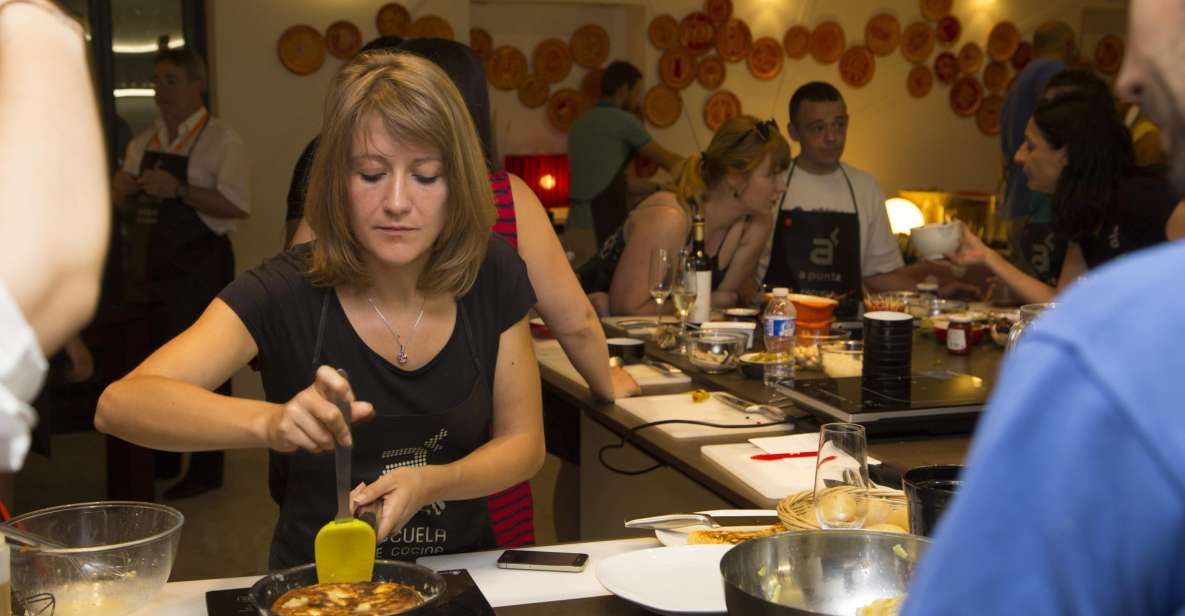
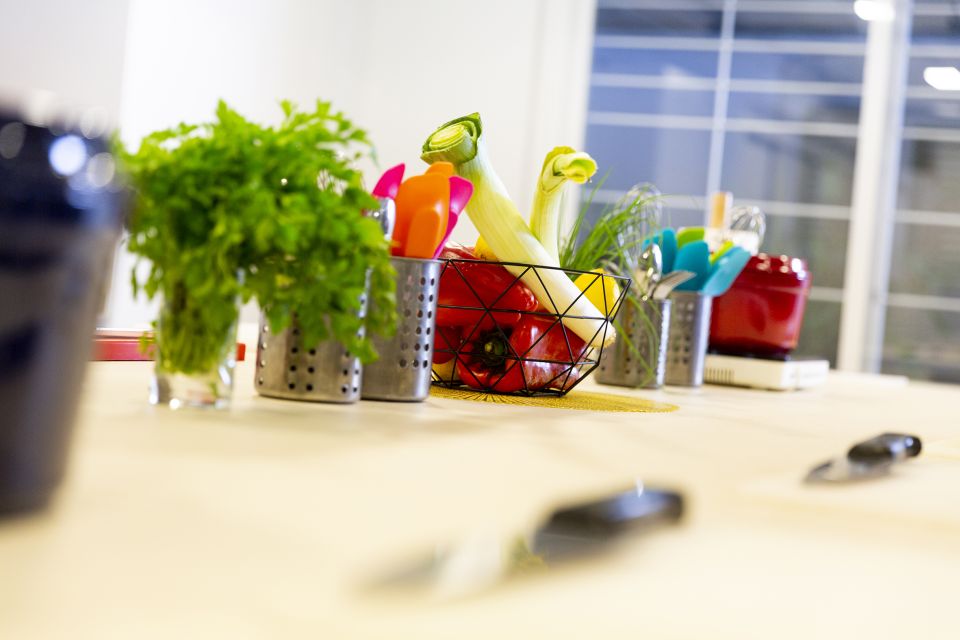
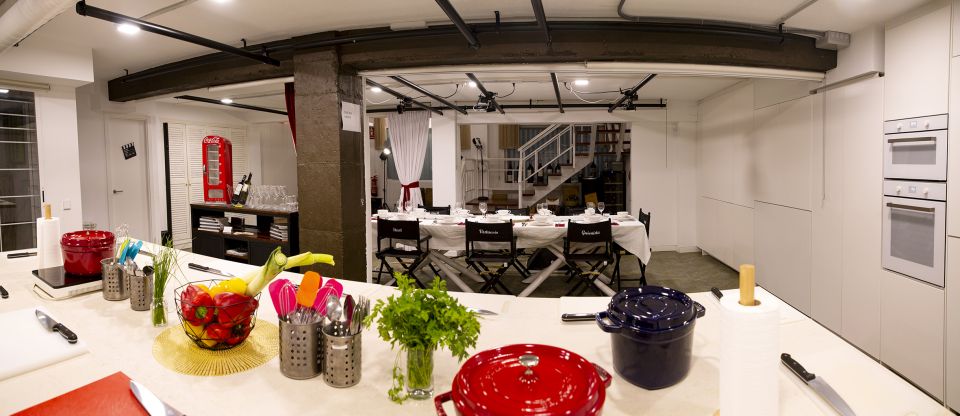
This is a fully equipped kitchen experience, and that matters. Tapas can look simple, but the real work is in timing, heat control, and knowing when something is ready (like a tortilla that’s set but still tender). A professional setup lets the chef guide technique, and it keeps you from feeling stuck in a “line-watching” class.
You’ll be split into small groups of 3–4 people, and you won’t prepare all 10 tapas by yourself. In other words, you’ll work on assigned items while other groups do the rest. The upside is that the class stays lively and interactive. The downside is that you might not get to personally cook every tapa on your menu, even though you’ll eat all of them together.
What you’ll cook: 10 tapas tied to Spanish regions
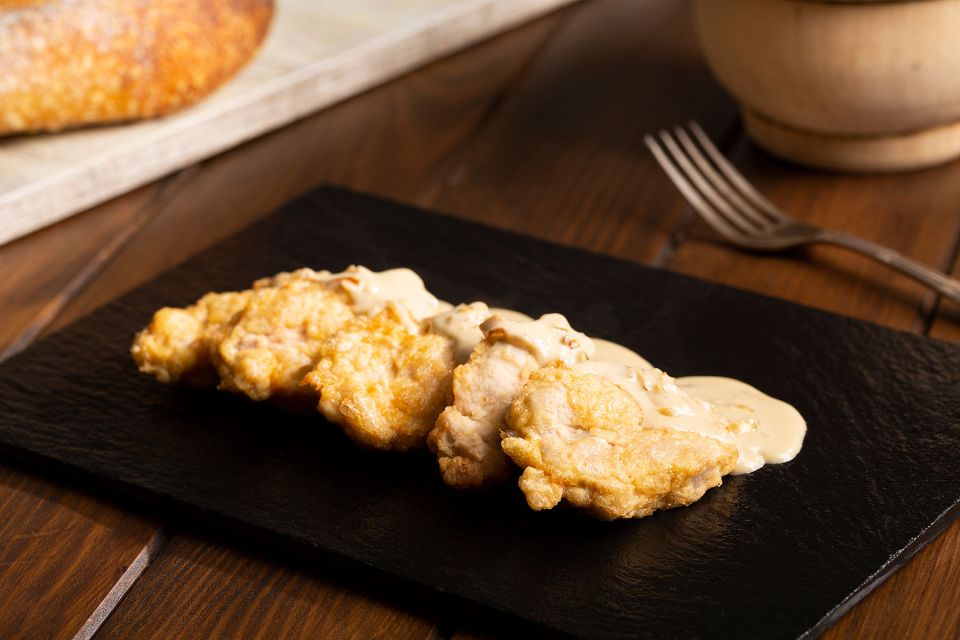
The point of this class is range. Instead of mastering one dish deeply, you learn how different Spanish regions shape tapas—how ingredients change, and how flavors and textures are built.
Here are the region-linked examples you can expect to see during the menu:
- Basque Country: gilda
Those salty, punchy skewers (pepper plus anchovy) highlight how the Basque approach often leans on bold, briny flavor. Gilda is also a reminder that tapas aren’t always about “light and pretty.” They’re about impact.
- Catalonia: pan tumaca
This is the kind of tapa that teaches you how simple ingredients come together: bread, tomato, and typically olive oil get treated with care so the final bite isn’t watery or bland.
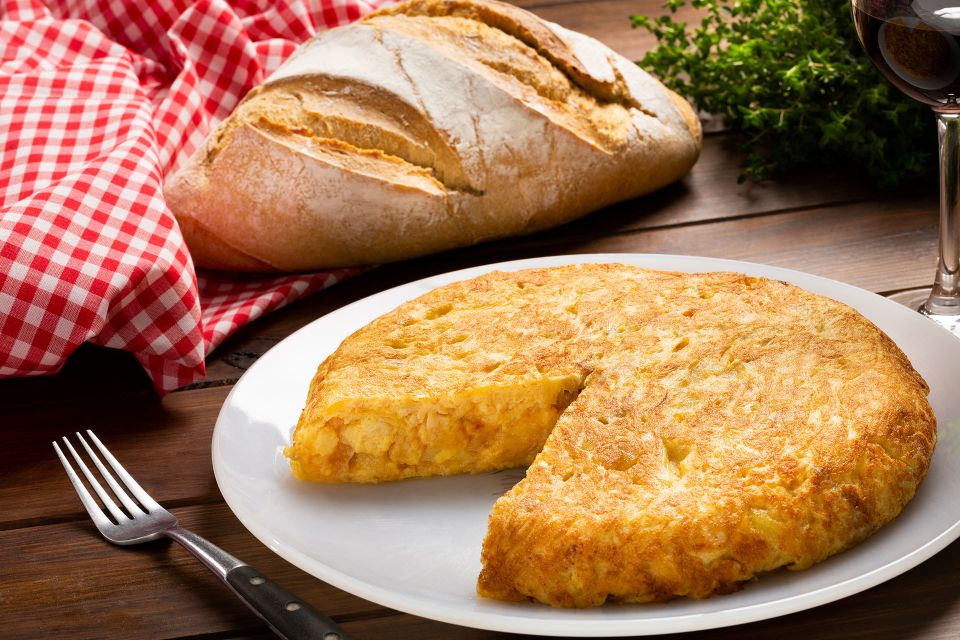
Depending on the day and the chef-teacher, you might also get lessons that feel more “classic technique,” like mastering a Spanish omelette. That kind of lesson is valuable because it carries over beyond tapas. If you learn the logic behind eggs, heat, and doneness, you’ll use it forever.
A practical tip: because you’re cooking in groups, focus on mastering your assigned station. Ask questions about the method at your station, and you’ll still leave understanding how the whole set of tapas fits together.
The chef-teacher experience in English (and why it matters)
The class instruction is in English, which is a big quality-of-life win in Madrid. You can ask “why” questions—why this ingredient goes in now, why you’re using this cut, why the seasoning order matters—and actually get answers you can use.
Chef-teachers like Gustavo, Homer, Diego, and Omero have led classes, and the teaching style that comes up repeatedly is warm, engaging, and hands-on. People also describe the atmosphere as relaxed but structured, with the chef and team helping keep tasks moving so you don’t feel left behind.
What I think you’re really paying for here is the blend of cooking coaching and cultural context. Tapas aren’t random snacks. When someone explains the origin or the regional logic behind what you’re making, the food clicks. You stop copying and start understanding.
Your meal: sangría paired with what you cooked
After the prep and cooking, you sit down and enjoy the fruits of your labor. Your meal includes the tapas you prepared, and it’s paired with Spanish sangría. This is more than a “free drink.” It changes the whole experience from cooking class to full dinner evening.
Also, this is one of the most satisfying parts of a class like this: you get to taste how your group’s work fits into the final spread. Even if you didn’t personally cook every tapa, you still get to evaluate them as a set—hot versus room-temp items, salty versus brighter flavors, soft textures versus crispy ones.
You can also read our reviews of more tours and experiences in Madrid

What you take home: recipes and an apron
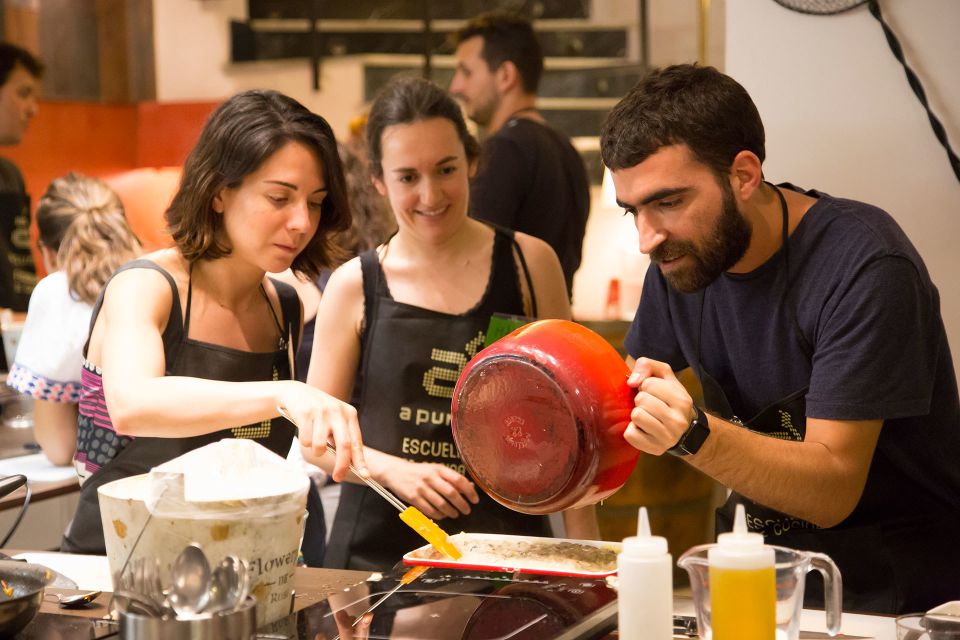
This experience includes a souvenir apron and a copy of the recipes for what you cooked. For me, that turns the class into something more useful than a one-night memory. Spanish cooking scales well when you have a clear recipe and the technique notes that go with it.
Take the recipe copy home and don’t wait until you’re bored. If you cook one or two tapas within a week or two, the steps stay fresh, and you’ll catch mistakes fast (like under-seasoning, wrong bread texture, or heat that’s too low/high).
Price and value: is $80 worth it?
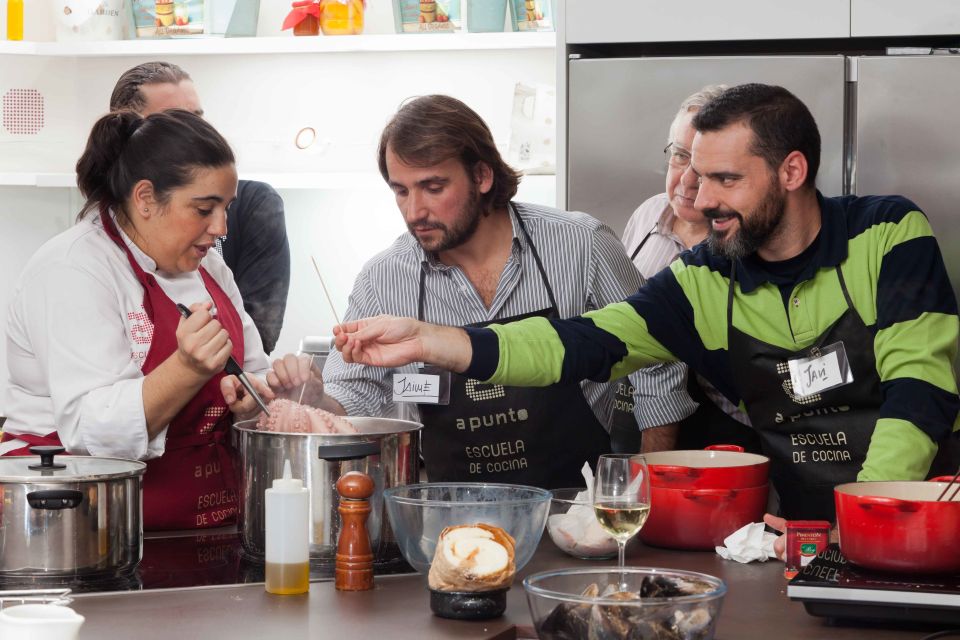
At $80 per person for 2.5 hours, it’s not a budget activity. But it does line up with what you’re actually getting: a professional chef-led, English-taught cooking session, 10 tapas, and a meal with sangría—plus the recipes and apron.
Here’s how I judge value in situations like this:
- If you want a fun group activity and a real dinner outcome, the price starts making sense.
- If you’re only interested in watching and tasting, you may feel the cost more than you benefit. This class is about cooking.
- If you’re hoping to cook all 10 tapas yourself, the small-group structure is the trade-off. You’ll participate a lot, but you’re still rotating tasks.
So the best match is someone who enjoys interactive classes and wants to learn techniques you can repeat at home.
Who this class suits best (and who should skip it)
This is a great fit for:
- Couples or friend groups who want a structured evening with built-in fun
- Foodies who like learning the method behind flavor, not just collecting recipes
- Visitors who want to meet other people during a hands-on activity
It’s less ideal if:
- You strongly prefer cooking solo, start-to-finish, without sharing stations
- You’re traveling with kids under 14, because the class doesn’t allow children under 14
- You’re extremely picky about dietary substitutions (see next section)
Before you go: vegetarian limits and rules that affect planning
There is a vegetarian meal option available because about half of the menu is vegetarian. The important detail is that the plates cannot be changed. So if you’re vegetarian but also have strong preferences about which dishes you want (or don’t want), you’ll have to accept the set portion that’s served.
For practical planning, note:
- No baby strollers or baby carriages are allowed.
- Smoking is not allowed.
- Audio recording isn’t allowed.
Also, transportation isn’t included, so you’ll want to plan how you’ll get to the meeting point. Meet outside the shop at Calle de la Farmacia, 6 at street level, not inside the building.
A real-world way to get the most out of the class
If you want to walk away feeling like you truly learned something, do this:
- Pay attention to your group’s station and ask at least one “why” question about technique or ingredients.
- Taste as you go. If your dish is supposed to be tangy or salty, notice whether it hits that target before everything is plated.
- Take photos of your setup, not just the final plate. Later, it’ll remind you what the process looked like.
This class works best when you treat it like a skill-building session, even though it feels like a party. The chefs keep things organized, and the small groups mean you’re usually doing real work, not waiting around.
Should you book it?
If you want an evening in Madrid that’s equal parts cooking, food education, and dinner, I think this is a strong pick. The 10 regional tapas concept gives you variety, the chefs provide technique in English, and the meal with sangría makes it feel complete. The price is fair for what’s included, especially since you also leave with recipes and an apron.
Book it if you’re excited to cook, don’t mind working in a group, and you’re happy with the vegetarian option being partly pre-set. If you need to cook all dishes yourself or you require major plate swaps for diet, you may find the structure limiting.
FAQ
How long is the Madrid 10 Tapas cooking class?
The class lasts 2.5 hours.
Is the class taught in English?
Yes. The instructor provides instruction in English.
Do I cook all 10 tapas by myself?
No. You cook in small groups of 3–4 people, and you won’t prepare every tapa on your own.
Is there a vegetarian option?
Yes. Half of the menu is vegetarian, and a vegetarian meal option is available. The plates cannot be changed.
Is sangría included?
Yes. Your meal includes Spanish sangría.
Where do I meet the guide?
Meet outside the shop located at Calle de la Farmacia, 6 (street level). It is not inside the building. Look for A Punto.