REVIEW · MADRID
Paella Workshop with Bottomless Sangria in Central Madrid
Book on Viator →Operated by Travel Vibes · Bookable on Viator
Paella gets way more fun when you’re making it. This Central Madrid class pairs paella with sangria, guided by local chefs in a cozy setup where you’re not just watching. Expect a step-by-step flow that starts with sangria prep and then moves into learning the building blocks of traditional paella.
What I like most is how everyone participates, including solo travelers, and the class ends with a shared meal you helped create. I also like that you get detailed recipes afterward, so the workshop doesn’t vanish the moment you leave.
The main thing to consider is the room can get oily and smoky during cooking, and one review noted smelling afterward. If you’re very sensitive to cooking fumes, plan for it (and choose what clothes you wear carefully).
In This Review
- Key highlights
- Where this workshop fits in your Madrid day
- Sangria setup: why they start with the drink
- Paella in a traditional pan: what you actually learn
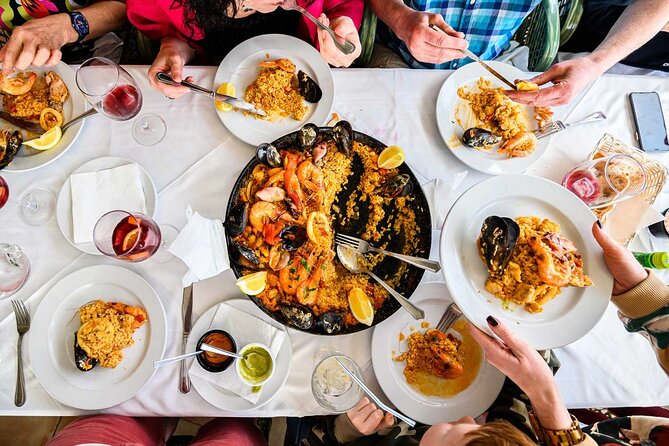
- The food you’ll eat: chicken-and-seafood paella (and real options)
- The chefs’ style: what makes it feel welcoming
- Meeting point and timing: how to plan your arrival
- Price and value: what $78.60 gets you
- Who should book this workshop (and who might reconsider)
- Should you book this paella-and-sangria workshop in Madrid?
- FAQ
- How long is the paella workshop with sangria?
- Where does the workshop start in Madrid?
- Is the workshop offered in English?
- What’s included in the price?
- Is it hands-on or just a demonstration?
- Do they offer vegetarian or allergy options?
- What’s the maximum group size?
- What if my plans change and I need to cancel?
Key highlights
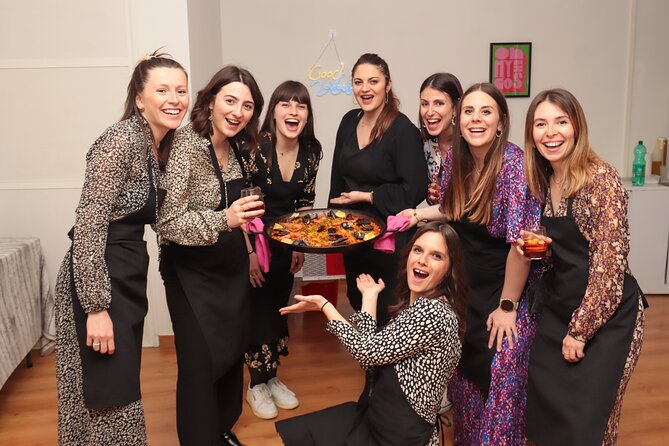
- Hands-on, group participation: You prep along with the chef, not just sit back and observe.
- Sangria first, then paella: The session starts with balancing flavors in a classic drink.
- Small group size: Maximum 16 travelers keeps the pace friendly and interactive.
- Chicken-and-seafood paella, plus options: Vegetarian and allergy-only options exist if you message in advance.
- You leave with recipes: You get detailed instructions to recreate both dishes at home.
- Photos and follow-up: The hosts take pictures during the workshop and share them via group chat.
Where this workshop fits in your Madrid day
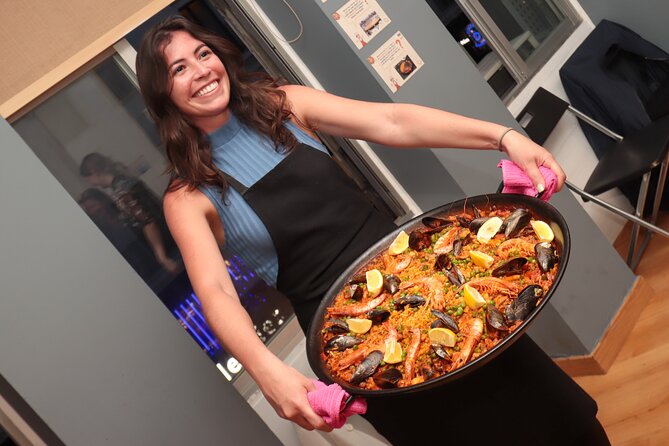
This is a 3-hour experience in Central Madrid, ending back at the same meeting point. It’s the kind of activity that works well if you want something social but not stressful, especially for first-time visitors who’d rather learn over meals than hop between landmarks all day.
With a max group size of 16, you get enough attention to understand what you’re doing. That matters for paella, because even small ingredient choices affect flavor and texture, not just the final look.
The workshop is offered in English and uses a mobile ticket. You’ll want to arrive a bit early to settle in and get your bearings before cooking starts.
You can also read our reviews of more tours and experiences in Madrid

Sangria setup: why they start with the drink
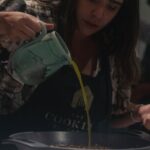
The class begins with preparing sangria, and that’s a smart way to warm up. You learn how to build a balanced, refreshing flavor profile first, then carry that same practical “taste and adjust” mindset into the paella later.
You’ll also hear context as you cook—like the history of paella and what basic ingredients do for the finished dish. This isn’t just trivia. It helps you understand why certain steps matter, especially when you’re recreating recipes later at home.
Sangria also does one other job: it lowers the pressure. People chat, the energy gets festive, and suddenly you’re more willing to try the tasks the chef assigns. Several reviews highlight that exact social, friendly vibe.
Paella in a traditional pan: what you actually learn
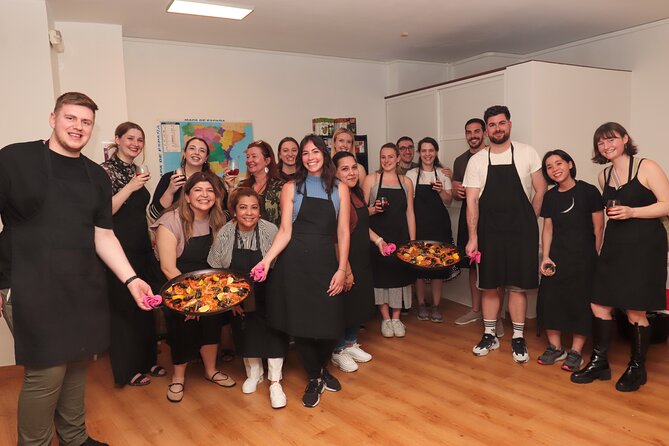
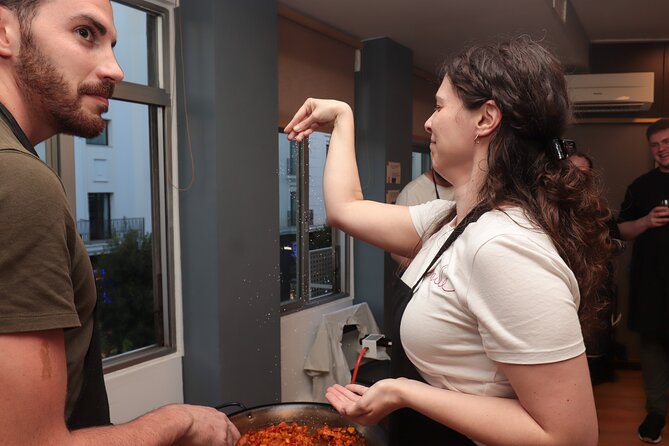
Paella lessons can turn into a long lecture if the host forgets that you’re there to cook. This one keeps moving step-by-step, using a traditional paella pan and guiding you through the process.
Here’s the practical learning angle you should care about:
- Ingredients aren’t interchangeable. You’ll get introduced to the basic components and how each affects flavor and texture.
- Timing matters. Paella is one of those dishes where heat and sequence affect results.
- The pan changes the outcome. Even if you’ve cooked before, learning with a paella pan helps you understand the dish’s shape and cooking behavior.
The chefs use clear instruction and share cooking responsibilities across the group. Names you may meet during your session include Javier, Ivan, Dani, Cristal, Anabel, Miguel, and Lila—and the consistent theme is interactive teaching. If you like learning by doing, this setup fits.
One caution from the reviews: a couple people described it less like a full private test-kitchen class and more like a demonstration-with-participation. That doesn’t make it bad, but it does mean your role may vary by station and group flow. If you want total control and solo prep of every step, set expectations accordingly.
The food you’ll eat: chicken-and-seafood paella (and real options)
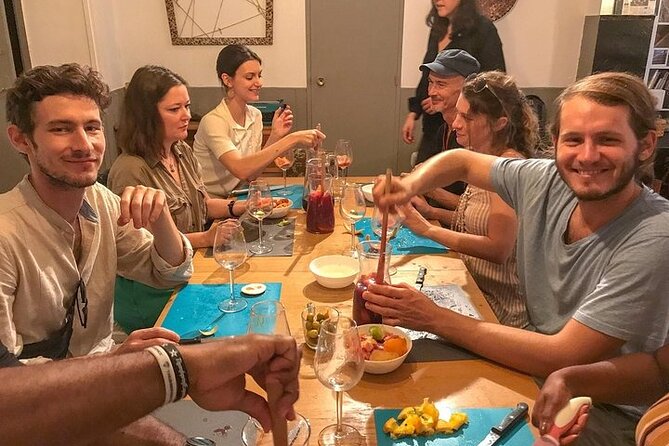
The sample menu is paella with chicken and seafood, plus a vegetarian option. Allergies are also addressed, but you have to message in advance if you need an allergy-only version.
That’s important. Paella has multiple ingredients that can overlap with common allergens, especially in seafood-based versions. So don’t rely on a last-minute adjustment. If you have dietary restrictions, confirm them early so the team can plan.
When it comes to quality, most feedback is strongly positive about the paella tasting better than some restaurant versions. Still, one review mentioned a salty paella and a shrimp doneness issue. That’s not the norm in the overall rating, but it’s a reminder that cooking outcomes can vary with group pace and ingredients.
The chefs’ style: what makes it feel welcoming
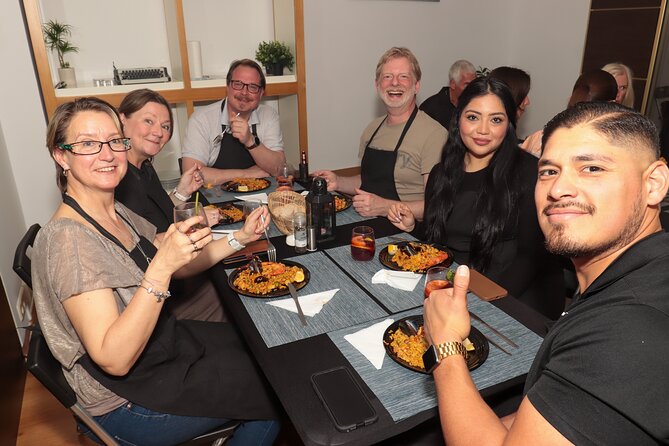
A big part of the value is the tone. Reviews repeatedly mention hosts who are warm, laid-back, and actively pull people into the cooking. If you’re traveling solo, that matters a lot—you get conversations built right into the activity, not forced afterward.
The instruction approach also shows up in small details:
- Cooking responsibilities are shared so you’re not stuck doing one tiny task.
- The hosts explain the regions and history of the dish through the steps you’re doing.
- They take photos during the workshop and share them through a group chat afterward.
- Afterward, you receive instructions and ingredients lists so you can cook again at home.
If you’re doing this early in your Madrid visit, that extra guidance can be useful. Several people mention the hosts sharing tips on where to go and eat in the city, which is a nice bonus beyond just the cooking itself.





Meeting point and timing: how to plan your arrival
You’ll start at C. de la Montera, 24, tienda calle, Centro, 28013 Madrid. The activity ends back at that meeting point, so you don’t need to worry about catching transport to a different area afterward.
Because it’s central, it’s easy to pair this with other Madrid plans. The session is long enough to feel like a full meal experience, not a quick tasting stop.
What to bring is simple: come hungry and ready to drink (sangria is part of the deal). If you’re prone to getting food smells on clothes, consider wearing something you don’t mind.
Price and value: what $78.60 gets you
At $78.60 per person for about 3 hours, this isn’t a budget cooking class. But it also isn’t just a snack with a demo.
You’re paying for:
- a guided cooking experience in English
- paella made with chicken and seafood (plus vegetarian and allergy-only options with notice)
- sangria during the session
- hands-on participation with a small group (maximum 16)
- detailed recipes afterward
- photos taken during the class
In practical terms, the value is strongest if you want both food and a skill you can reuse. If you’re the type who buys cooking classes because you want to replicate results at home, the included recipes and ingredient guidance push this into “worth it” territory.
If your goal is purely a meal with no interest in learning, you might question the price. But most of the strong ratings come from people treating it like a dinner plus a mini workshop.
Who should book this workshop (and who might reconsider)
This is a great fit if you:
- want a social activity that includes you as you cook
- travel solo and want built-in conversation time
- enjoy hands-on instruction, especially step-by-step guidance
- like the idea of taking home recipes rather than just eating and leaving
It may be less ideal if you:
- are very sensitive to smoke and lingering cooking smells (the room can get oily and smoky)
- expect a private, fully controlled cooking test kitchen where you do every step alone
- have strict allergy needs and haven’t contacted the team in advance
If you’re flexible and you go in ready to participate, the structure helps you leave with both a full stomach and new know-how.
Should you book this paella-and-sangria workshop in Madrid?
I’d book it if you want a central Madrid food experience that’s active, social, and genuinely instructional. The small group size, the interactive hosting style, and the fact that you leave with recipes and shared photos all point to a “more than dinner” value.
Just plan your clothes with the kitchen in mind. And if you have allergies, message ahead so the team can prepare safely. With those two points handled, this is the kind of class that can turn into one of your favorite meals of the trip.
FAQ
How long is the paella workshop with sangria?
It runs for about 3 hours.
Where does the workshop start in Madrid?
The meeting point is C. de la Montera, 24, tienda calle, Centro, 28013 Madrid, Spain, and it ends back at the same location.
Is the workshop offered in English?
Yes, it’s offered in English.
What’s included in the price?
The price includes the cooking class, sangria, and paella.
Is it hands-on or just a demonstration?
It’s designed so everyone participates in preparation and cooking steps, though you should expect it to be guided and group-paced rather than a fully private test kitchen.
Do they offer vegetarian or allergy options?
Yes. A vegetarian option is available, and allergy-only options are available too, but you need to message in advance.
What’s the maximum group size?
The workshop has a maximum of 16 travelers.
What if my plans change and I need to cancel?
You can cancel for a full refund up to 24 hours before the experience starts. If it’s canceled due to poor weather, you’ll be offered another date or a full refund.