REVIEW · MADRID
Madrid Mysteries & Legends Private Tour
Book on Viator →Operated by Wonder Tours · Bookable on Viator
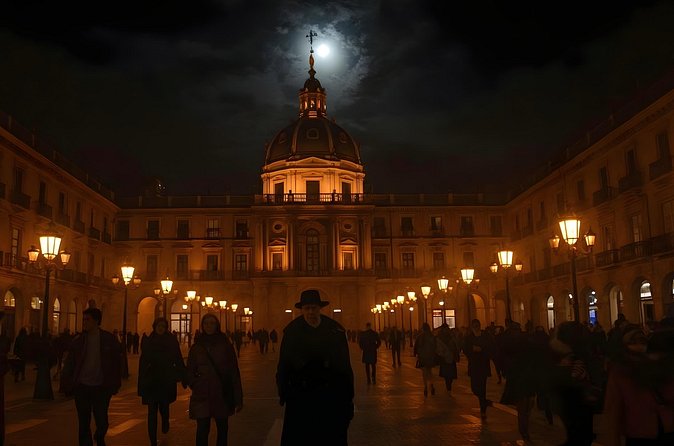
Madrid at night has a way of feeling like a story. This tour leans into that mood with a history-focused guide and a route through some of the city’s most recognizable squares and landmarks. It is part sightseeing, part storytelling, and you get a feel for how Madrid connects everyday streets to bigger legends.
What I like most is the small-group size (up to 15), which keeps the pace friendly and lets you actually hear the guide over the noise. I also appreciate that the guide is described as bilingual and specialized in history, so the stops feel explained, not just pointed at. One thing to plan for: admission tickets are not included, so if you decide you want to go inside any church, monastery, or cultural space, expect extra time and extra cost.
In This Review
- Quick hits before you go
- Price and what $42.33 buys you in Madrid
- The route: a stop-by-stop walk through Madrid’s legends and landmarks
- Mercado San Miguel: market energy and a classic Madrid name
- Plaza de Puerta Cerrada: a small square with big character
- Tablao Flamenco Arco de Cuchilleros: flamenco culture at street level
- Plaza Mayor: the postcard square with real-world scale
- Iglesia de San Ginés de Arlés: a church stop that changes the tone
- Plaza de Isabel II: a quiet pause near major city movement
- Plaza de Oriente: royal-adjacent views and a sense of Madrid’s power geography
- Monasterio de las Descalzas Reales: religious architecture as a storytelling anchor
- Puerta del Sol: the city’s meeting point and mental reset
- Real Oratorio del Caballero de Gracia: a stop that feels more specific than famous
- Casa de las Siete Chimeneas: architecture you can spot instantly
- Church of San José: another quieter layer in the same neighborhood
- Círculo de Bellas Artes: a cultural landmark for a modern-day beat
- Palacio de Linares: elegance at walking speed
- Why this tour works: pacing, storytelling, and value
- You’ll enjoy the guide style more than you expect
- The optional-entrance reality
- Who should book this Madrid Mysteries & Legends walk
- Booking call: should you go?
- FAQ
- FAQ
- What time does the tour start?
- Where do I meet the tour guide?
- Where does the tour end?
- How long is the tour?
- Is the tour in English?
- Is the guide bilingual?
- Are admission tickets included for the stops?
- Does the tour pick you up from your hotel?
- How many people are on the tour?
Quick hits before you go
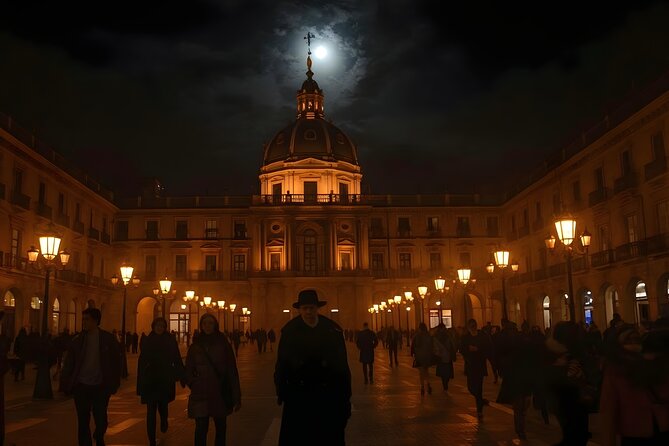
- A 7:00 pm start: ideal for golden-hour photos and calmer streets.
- Up to 15 people: you get a guided experience without the big-bus chaos.
- History + legends theme: you’ll understand what you’re looking at, not just where to stand.
- No admissions included: you can sightsee from the outside, but interiors may cost extra.
- Mobile ticket and English: easy to manage on the day, clear for English speakers.
Price and what $42.33 buys you in Madrid
At $42.33 per person for about two hours, this is the kind of tour that makes sense when you want structure without spending big money on museums. You are paying for two things: a guide who can connect the dots between sites, and a walk through central Madrid that saves you from piecing everything together on your own.
That said, the price can only go so far. Since admission tickets are not included, you are really buying the guided walk and orientation, not guaranteed entry into every stop. If you love stepping into buildings and taking your time, you may want to budget extra for optional entrances after (or during) your stops.
You can also read our reviews of more private tours in Madrid



The route: a stop-by-stop walk through Madrid’s legends and landmarks

This tour runs from the Wonder Tours starting point on Calle de Santiago 18 (Centro) and ends back there. It is designed as a flowing city-walk, with short stops where your guide can point out what matters and explain why the place earned its name.
A good mindset here: treat each stop like a chapter opener. If you feel tempted to go deeper, you’ll know exactly where to spend extra time later.
Mercado San Miguel: market energy and a classic Madrid name
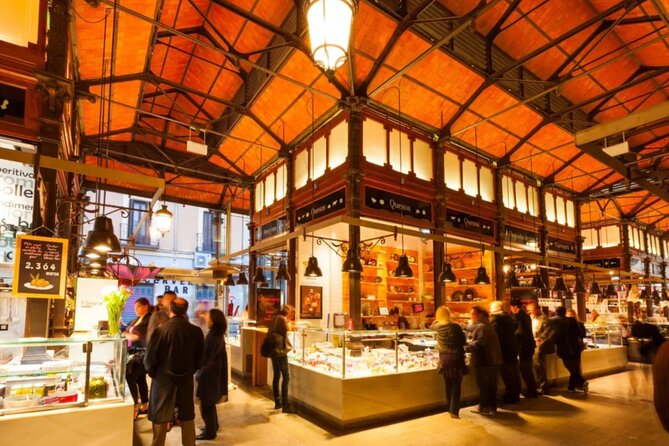
You start near Mercado San Miguel, a famous food market area you will likely recognize from photos. Even when you are not paying for anything inside, this stop is useful because it anchors the tour in daily life: this is where Madrid’s food culture shows up in a very public way.
The trade-off is simple. The stop is short, and admission isn’t included. So do not expect a full market visit unless you plan to extend your evening afterward with snacks on your own.
Plaza de Puerta Cerrada: a small square with big character
Next comes Plaza de Puerta Cerrada, a compact square that feels like a pocket of calm inside the city. This is the kind of place where old streets and names matter, and a history-focused guide can help you connect why this spot sits where it does.
Because admission is not included, you will mainly be using this stop for views, orientation, and a quick story. If you like photographing doorways, street-level details, and architectural corners, this is a good stop to slow down for 30 seconds.
Tablao Flamenco Arco de Cuchilleros: flamenco culture at street level
You then pause at Tablao Flamenco Arco de Cuchilleros. This is an easy stop to enjoy even without tickets, because flamenco in Madrid is not only a showtime thing. It is a cultural thread you can spot in venues, signage, and the way the neighborhood frames performance.
Just remember the practical point: if the tour does not include any show entry, you will be looking from outside. If flamenco is on your must-do list, use this stop as your cue to schedule a separate performance.




Plaza Mayor: the postcard square with real-world scale
Plaza Mayor is one of Madrid’s main squares, and it is a strong mid-tour checkpoint. Your guide can help you understand why this area is so central to the city’s identity, and it is also a great place to regroup your bearings.
The drawback here is also classic: it can be busy and visually loud. You will get the most out of this stop if you walk a half-step away from the busiest edge so you can hear the guide and spot details.
Iglesia de San Ginés de Arlés: a church stop that changes the tone
After the open square energy, you switch to Iglesia de San Ginés de Arlés. Church stops are useful because they show you how Madrid layers faith, tradition, and architectural style into everyday streets.
Admission is not included, so you are likely focused on exterior viewing and quick explanations. Still, even from outside, churches can be rewarding if you like tracing eras through building shapes and street placement.
Plaza de Isabel II: a quiet pause near major city movement
Plaza de Isabel II gives you a calmer moment while keeping you in the central core. This square stop can work well for listening, because you are not constantly fighting for attention the way you might be in the middle of the biggest plazas.
Again, no admissions are included, so the value is in what your guide points out and how the stories connect from stop to stop.
Plaza de Oriente: royal-adjacent views and a sense of Madrid’s power geography
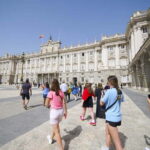
Then you reach Plaza de Oriente. This is a place where Madrid starts to feel more formal and monumental. A history-focused guide can help you read the space: where power sits, how the city frames it, and why people gather in particular areas.
If you want more than photos, keep your eyes open for architectural lines and how buildings face the square. The stop is brief, so you will get the most from it if you are ready to look up and take in the overall composition.
Monasterio de las Descalzas Reales: religious architecture as a storytelling anchor
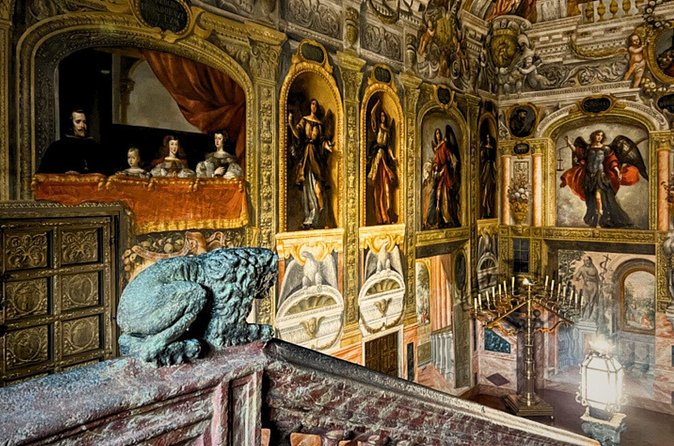
Monasterio de las Descalzas Reales is one of those stops that can slow you down. Even if you do not go inside, a monastery is a strong symbol: it changes the vibe from civic square to spiritual and historical Madrid.
The practical catch: admission tickets are not included. So treat this as an orientation stop unless you plan to add time and pay for entry separately.
Puerta del Sol: the city’s meeting point and mental reset
Puerta del Sol is iconic for a reason, and it is also a smart spot mid-late tour. It is a natural place to reset mentally because everyone recognizes it and you can re-orient for whatever comes next.
Your guide’s job here is to connect the idea of a central meeting place to the stories Madrid keeps repeating about itself. If you want a photo that looks good without a crowd, stand slightly off the densest flow of foot traffic.
Real Oratorio del Caballero de Gracia: a stop that feels more specific than famous
Next is Real Oratorio del Caballero de Gracia. It is not as universally recognizable as Sol, which can make it more interesting for people who like discovering places that feel focused and particular.
But the same rule applies: admissions are not included, so you are likely stopping for quick context, exterior details, and the guide’s explanation.
Casa de las Siete Chimeneas: architecture you can spot instantly
Casa de las siete chimeneas is the kind of Madrid stop that rewards your attention span. Even without special access, the idea of seven chimneys is visual, and your guide can help you understand why such a recognizable feature became part of Madrid’s story.
This is also a great stop to use for a quick memory test. If you can picture it after the tour, you likely got the value out of this stop.
Church of San José: another quieter layer in the same neighborhood
Then you move to Iglesia de San José. This church stop fits the tour’s pattern: big landmarks for recognition, then smaller religious sites for depth and variety.
Since admission is not included, the main benefit is learning how these buildings fit into a broader timeline of the city, not necessarily ticking off interior rooms.
Círculo de Bellas Artes: a cultural landmark for a modern-day beat
Círculo de Bellas Artes is a cultural anchor. Even if you do not enter, it helps you see Madrid as both historic and contemporary: the city keeps building new layers around old streets.
Admission is not included, so plan for exterior viewing and narration. If you are the type who likes to go inside arts institutions, you can turn this stop into a separate self-guided visit later.
Palacio de Linares: elegance at walking speed
You finish at Palacio de Linares. Palaces can feel abstract until you see them in place, and then the architecture becomes real. This ending stop is a nice way to close the tour with something visually impressive while still tied to the same city thread.
The drawback is again time: the stop is short, so you may want to take notes or snap a couple of photos so you remember what you want to research or return to.
Why this tour works: pacing, storytelling, and value
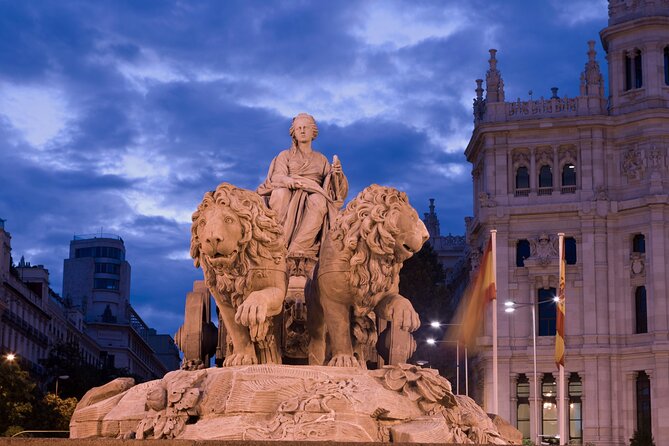
The route is built for quick comprehension. You are not stuck in one building for hours. Instead, you move through different types of Madrid space: markets, plazas, performance venues, churches, a monastery, a central crossroads, and major cultural buildings.
That mix matters because it gives you context fast. If you only see plazas, you miss the city’s daily rhythms. If you only see museums, you miss how stories live on street corners. Here, the guide’s history specialization helps you connect those pieces while you walk.
You’ll enjoy the guide style more than you expect
One of the strongest signals from past guests is the guide’s friendliness and entertaining delivery. That matters on a walking tour. If a guide sounds like a textbook, you lose momentum. A guide who keeps things ameno helps you stay present, especially when you are moving every 10 to 15 minutes.
If your Spanish trip style is to ask questions and want a human pace, this tour matches that.
The optional-entrance reality
Because admission tickets are not included, the tour is best when you treat entrances as optional. You’ll get the core experience either way, but if you want interior time, you will need to plan it.
A simple strategy: bring your energy for the walking story now, then pick one interior you care about after the tour ends back at the meeting point.
Who should book this Madrid Mysteries & Legends walk
This tour is a good fit if you:
- Like history that explains what you see while you are walking
- Want a structured evening plan without a museum ticket stack
- Prefer small-group tours with room for questions
- Are visiting for the first time and want to get your bearings in central Madrid
It may be less ideal if you:
- Want long museum or church interior time included in the price
- Only enjoy deep stops where you can spend an hour in one place
- Are traveling at a very tight schedule where extra optional entrance costs could disrupt timing
Booking call: should you go?
I think this is worth booking if you want to understand central Madrid quickly and enjoy an evening walk with a guide who makes history feel human. The price feels fair for what you get: a timed route, a history-focused guide, and a sequence of landmarks that are easy to revisit later on your own.
If you like building-by-building exploration, you might pair this with one separate entrance you pay for yourself. If you want an evening that helps Madrid click into place without overplanning, this is a smart choice.
FAQ
FAQ
What time does the tour start?
It starts at 7:00 pm.
Where do I meet the tour guide?
You meet at Wonder Tours / Tour Operator, Calle de Santiago, 18, Centro, 28013 Madrid, Spain.
Where does the tour end?
The activity ends back at the same meeting point.
How long is the tour?
It runs for about 2 hours.
Is the tour in English?
Yes, it is offered in English.
Is the guide bilingual?
The tour includes a bilingual guide specialized in history. Other languages may be available with prior reservation.
Are admission tickets included for the stops?
No. Admission tickets are not included for the stops.
Does the tour pick you up from your hotel?
Hotel pickup is not included unless you arrange it in advance.
How many people are on the tour?
The maximum group size is 15 travelers.
If you want, tell me your travel dates and what you care about most (churches, food, architecture, or legends), and I’ll suggest how to plan a follow-up stop after this one.