REVIEW · MADRID
Madrid: Reina Sofía Museum Private Guided Tour
Book on GetYourGuide →Operated by Uizart · Bookable on GetYourGuide
Picasso’s world starts before you even enter. This private Reina Sofía guided tour gives you expert context for modern European art, with skip-the-line entry and a focus you can shape to your interests.
I like how the guide turns big masterpieces into clear stories you can follow, including Picasso’s Guernica and what was happening around it. I also like the format: a small private group (no more than 7) means you get real back-and-forth instead of passively drifting through galleries.
One thing to consider: if you’re very sensitive to health precautions, be aware there was at least one past experience where the guide reportedly coughed, stayed close, and didn’t use a mask. If that matters to you, plan around your own comfort level.
In This Review
- Key things to know before you go
- Why the Reina Sofía works best with a real art guide
- Meeting at Nouvel’s Landscape of Light: Madrid’s pre-museum bonus
- What “private” really means in a 2-hour museum tour
- The guided route: modern art evolution without the overwhelm
- Picasso and Guernica: what to look for and why it landed worldwide
- Dalí and Miró: how the tour links surreal ideas to real life
- More than art talk: how the tour uses images, posters, film, and sculpture
- Pacing in a 2-hour window: how to get value without rushing
- Languages and guide style: English or Spanish, with real engagement
- Price and value: what $136 buys you in Madrid
- Practical tips to make the most of your private tour
- Who should book this Reina Sofía private tour?
- After the tour: using the museum time on your terms
- Should you book? My straight take
- FAQ
- How long is the Reina Sofía private guided tour?
- What does the tour cost?
- Is the tour private or shared?
- Do you skip the ticket line?
- Where do we meet the guide?
- What languages are the guides?
- Is transportation included?
- Is the museum wheelchair accessible for this tour?
- Can I stay in the museum after the guided portion?
Key things to know before you go
- Skip-the-line entry that saves your energy for the art
- Small-group private format (up to 7 people) for more questions
- Guided focus from 1881 to today in modern and contemporary European art
- Picasso, Dalí, Miró—with Guernica as a major anchor
- More than paintings: photos, propaganda posters, film clips, and sculptures can come into the story
- Optional extra museum time after the tour (if your group is 7 or fewer)
Why the Reina Sofía works best with a real art guide
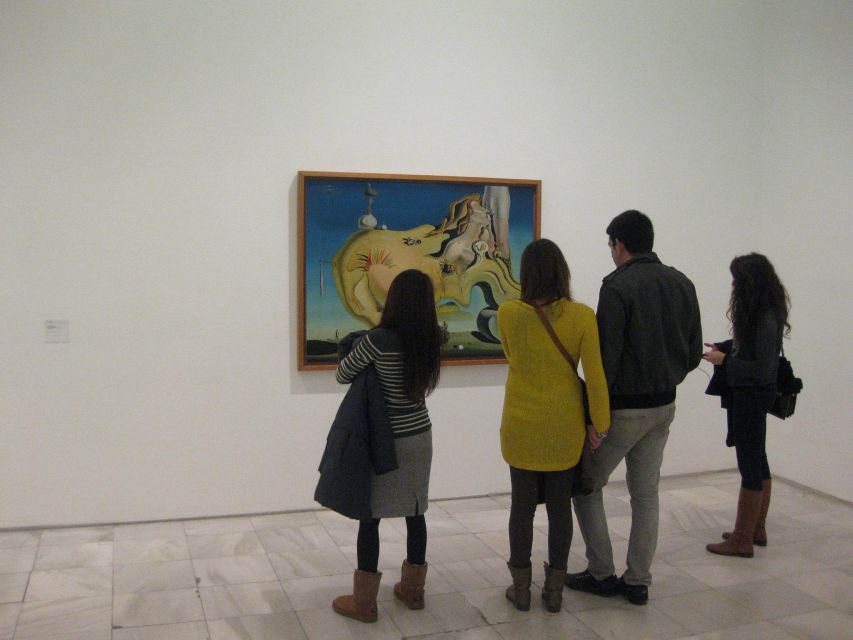
The Reina Sofía is the kind of museum that rewards slowing down, but it’s also easy to get stuck doing the museum shuffle. A guided private tour fixes that by giving you a route and a way to read what you’re seeing—especially for modern art, where the “why” matters as much as the “what.”
For this tour, you’re looking at the evolution of Modern European art from 1881 to the present. That time span can feel like a blur alone, but with an art history guide you get signposts: what changes, what stays, and how artists respond to politics, technology, and shifting ideas about truth and beauty.
This is also a museum where famous works can be surrounded by complicated context. That’s exactly what a good guide does: they help you connect the dots without turning the experience into a lecture you can’t remember.
You can also read our reviews of more guided tours in Madrid

Meeting at Nouvel’s Landscape of Light: Madrid’s pre-museum bonus
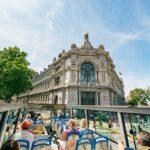
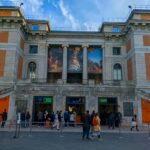
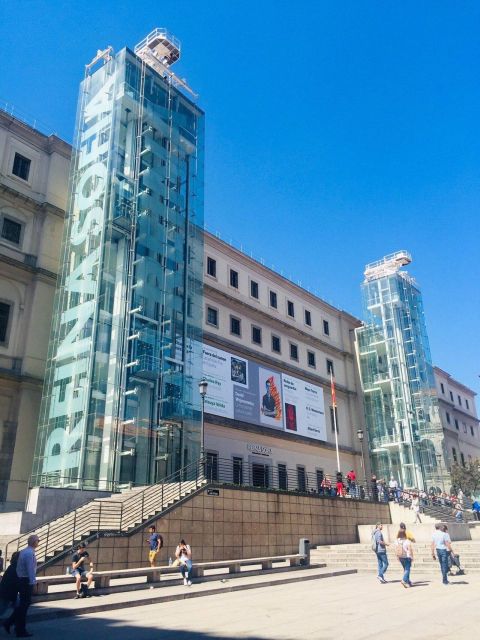
Your guide meets you at your selected time by the statue in front of the Nouvel building. That location isn’t just practical—it’s a nice warm-up. The area is called the Landscape of Light, a UNESCO World Heritage Site created by Carlos III, and it helps set the tone for the day.
Before you go inside, you’ll already understand something important: Madrid is not just streets and plazas. It’s also design and planning, and that mindset matters in a museum like this. Modern art doesn’t float in a vacuum, and neither does this museum building and its surroundings.
And then there’s the practical win: you bypass the entrance queues. In a museum with long lines, line time is the easiest part to lose. With this tour, that energy stays for the art.
What “private” really means in a 2-hour museum tour
This isn’t a large group bus tour. It’s a private group experience with a maximum of 7 people. In practice, that matters because it changes how your guide can teach.
Instead of forcing everyone through the same talking points, you can shape the path. The tour is described as personalized around your interests, and that’s the difference between a tour that tells you what to see and one that helps you see. If you care more about technique, you’ll get those explanations. If you care more about Spanish history and politics, you’ll get that connection too.
The tour also feels interactive. You’re encouraged to engage with the guide as much as you like, and you’ll view works at your own pace while still having the structure of a guided route.
The guided route: modern art evolution without the overwhelm
You’re in good hands when the guide talks about modern and contemporary art as an evolving story. This tour is designed around that idea: you’re moving through major themes and shifts from the late 19th century onward.
Think of it like this: modern art is often taught as “styles,” but on a museum floor it’s really about questions. What counts as art? What counts as truth? How should images behave in public life? A strong guide helps you answer those questions using specific works in front of you.
One of the strongest parts of this tour is how it connects artists individually and collectively. Picasso, Dalí, and Miró aren’t treated as isolated legends. You get the bigger picture of why their work had global impact—without losing sight of the specific pieces in the galleries.
Picasso and Guernica: what to look for and why it landed worldwide
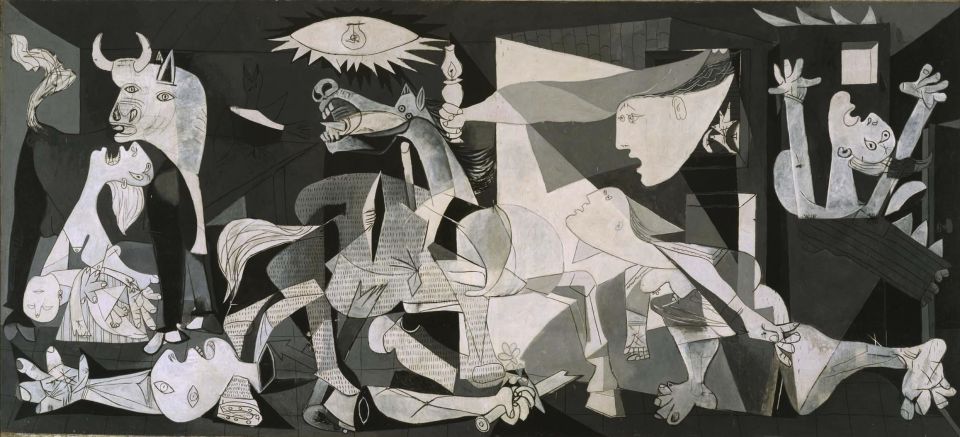
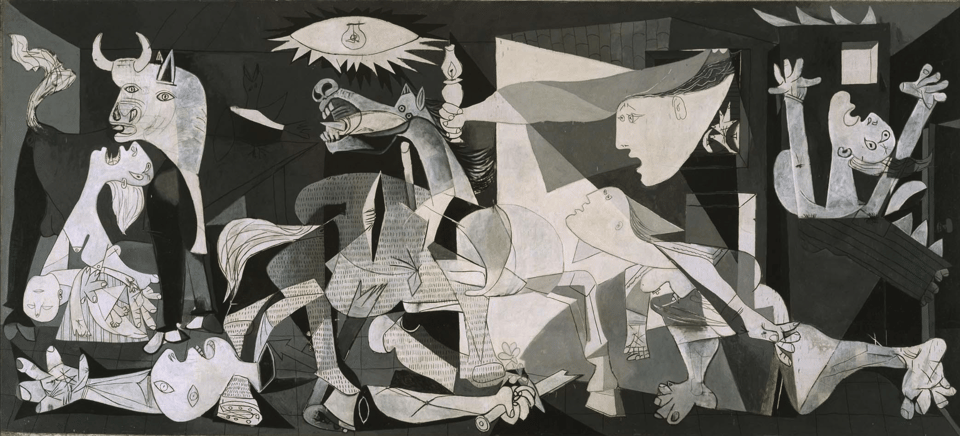
If you’re visiting the Reina Sofía, you’re almost certainly coming for Picasso’s Guernica. This tour gives that work extra weight by walking you through the story behind it.
You’ll get context for Guernica including why it was created for the 1937 Paris Expo, and the brutal reality that it responds to the bombing of Guernica during the Spanish Civil War. That historical framework matters because Guernica isn’t just shocking imagery—it’s also structured grief and political message.
One of the most specific and useful details you can expect: the tour can include supporting materials tied to the painting process and its public record, such as photos of it being painted and even an invoice for Picasso’s payment from the government. Those are the kinds of details that help you understand the painting as an event in time, not just a masterpiece behind glass.
The guide may also explain Cubism in a way that connects Spanish history to what you’re seeing. And that’s crucial, because Cubism can feel like a puzzle you’re stuck on until someone shows you how it works as a visual language.
You can also read our reviews of more private tours in Madrid






Dalí and Miró: how the tour links surreal ideas to real life
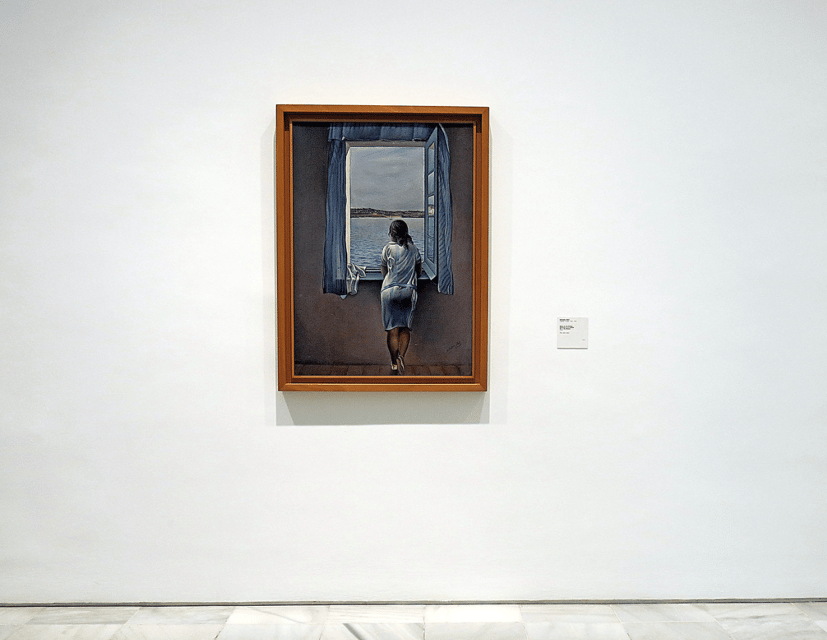
The highlights list includes Dalí and Miró, and the value here is not just name-dropping. The tour is set up to help you understand how their work fits into the evolution of modern European art—how it reacts to earlier breakthroughs and how it turns ideas into unmistakable visual styles.
In a museum, surrealism can sometimes feel like a dream you’re watching from the outside. A good guide brings it back to cause and effect: what artists were thinking, what cultural forces were pressing on them, and why the imagery traveled so far beyond Spain.
You’ll also get help seeing relationships between works. One guide was described as taking extra effort to show how certain paintings connect to each other, even when they’re placed in separate rooms. That is a smart tactic for a museum with dozens of rooms: it helps you make mental links instead of treating each room as a separate island.
More than art talk: how the tour uses images, posters, film, and sculpture
Some tours stay stuck in one lane: paint, frame, repeat. This one can broaden the conversation beyond paintings.
You can expect the guide to bring in other types of material—like photographs, propaganda posters, film clips, and sculptures—as part of the story. That matters because modern art often grew up alongside mass media and public messaging. When you see those connections, the museum stops feeling like a vault of objects and starts feeling like a record of how ideas spread.
Also, this kind of multi-format approach is helpful if your art interests are mixed. Maybe you love painting most, but you also like the history side. Or maybe you’re more drawn to the visual shock of posters and film. Either way, the tour’s format can keep you engaged.
Pacing in a 2-hour window: how to get value without rushing
A 2-hour tour can sound short on paper, but it’s often the sweet spot for a museum day. You’re not trying to conquer the whole building. You’re using expert time to learn how to read what you’re looking at—then you can decide what’s worth your extra minutes afterward.
Still, you should come in with a plan. If you try to see everything, you’ll feel rushed no matter what. Instead, pick what matters to you most—Guernica, Cubism, or the broader shift from late 1800s art into contemporary styles. The tour is designed to be personalized, which means your “must-sees” can steer the emphasis.
One more practical note: the tour is described as small-group and private, so you’ll likely have room for questions. Ask early, and don’t save all your curiosity for the last 10 minutes. Guides can only adjust your route if they know what you care about.
Languages and guide style: English or Spanish, with real engagement
The tour offers live guidance in English and Spanish. That’s a big deal at the Reina Sofía because the best insights often come from clear explanations of context—politics, artistic movements, and the reasoning behind choices you’d otherwise miss.
The guide style can also be a highlight in itself. Past experiences mention guides like Sofia, Amanda, and Martín for being engaging and attentive, with clear explanations and a knack for connecting ideas across rooms. If you’re the type who likes to understand what you’re looking at, this tour format is designed for you.
And if you’re traveling with someone who likes different parts of art, a personalized tour helps reduce the “I just want to look / I just want facts” split. The goal is to keep both people interested.
Price and value: what $136 buys you in Madrid
At $136 per person for a 2-hour private guided tour, the value comes from a few stacked benefits.
First, entrance fees are included. Second, you get skip-the-ticket line, which is often the difference between enjoying a museum and wasting time in queues. Third, you’re paying for guided interpretation—specialized art history guidance focused on modern European art and major works.
You also get flexibility at the end: if your group is 7 people or less, you can stay after the tour. That turns the guided time into a launching pad for your own exploration.
One thing you should budget for: transportation isn’t included. That’s normal for museum tours, but it’s worth planning so you don’t end up scrambling right before your meet time.
Practical tips to make the most of your private tour
Here are the small moves that usually pay off in museums like this:
- Arrive a few minutes early so you don’t start tense. The meet point is at a specific spot by the Nouvel building statue.
- Decide your top 1–2 interests before you go. The tour is personalized, and your preferences can shape what you spend time on.
- If you care about focus, bring patience for modern art. The guide’s job is to help you see patterns and logic in the choices.
- After the tour, pick one extra area you want to return to. The extra museum time can work best when you choose intentionally, not aimlessly.
If health precautions are a concern for you personally, it’s also reasonable to plan with your own comfort in mind. While the tour includes a specialized guide, the record includes at least one reported situation involving coughing and close contact.
Who should book this Reina Sofía private tour?
This tour is a strong match if you want your first Reina Sofía visit to feel meaningful, not random.
You’ll likely love it if:
- Picasso, Dalí, or Miró are on your list
- you want clear context for modern art and the Spanish historical backdrop
- you enjoy asking questions and getting answers in real time
- you appreciate seeing how works relate to each other, even when they’re in different rooms
It’s also a good choice if you’re traveling as a couple or small group and want something more personal than a standard museum entry.
If you already know modern art deeply and want to spend your entire visit reading galleries alone, you might not need a guide for all 2 hours. But if you want help prioritizing and understanding the big themes, this format is built for that.
After the tour: using the museum time on your terms
When the guided portion ends, you have the option to stay and continue on your own. You’ll receive recommendations for what else to see if you choose to extend your visit.
That’s a smart setup: you get the structure from your guide, then you get freedom to choose what you want to linger on. It also helps if you and your travel partner have slightly different favorites—your guide can point you to next steps so you don’t waste time wandering.
Should you book? My straight take
Book this tour if you want a guided path through modern European art that leads directly to the works most people come for, especially Guernica. The line-skipping, small private group, and personalization make it feel like you’re paying for time with an expert translator between your eyes and the art.
Pass or consider alternatives if you’re hoping to spend your entire visit only wandering freely. This is a 2-hour structured experience. It’s excellent for learning and orientation, but you’ll still need extra time in the museum if your goal is to see everything at a slow pace.
And if health precautions are a top concern, plan around your comfort level. The tour format is private, but you’re still close enough to hear the guide clearly.
FAQ
How long is the Reina Sofía private guided tour?
It lasts 2 hours.
What does the tour cost?
The price is $136 per person.
Is the tour private or shared?
It’s a private group experience, with a maximum of 7 people.
Do you skip the ticket line?
Yes. The tour includes skip-the-ticket line.
Where do we meet the guide?
The meeting point is by the statue in front of the Nouvel building, and it can vary depending on the option booked.
What languages are the guides?
The live tour guide is available in English and Spanish.
Is transportation included?
No. Transportation is not included.
Is the museum wheelchair accessible for this tour?
Yes. The tour is wheelchair accessible, and the museum is also described as wheelchair and stroller accessible.
Can I stay in the museum after the guided portion?
Yes, if your group is 7 people or less, you can stay after the tour and get recommendations.