REVIEW · MADRID
Madrid: Paella and Sangria Workshop with Tapas
Book on GetYourGuide →Operated by PAURORA EXPERIENCES S.L · Bookable on GetYourGuide
Paella and sangria become hands-on. In Madrid, this workshop turns two classic Spanish flavors into something you actually cook—step by step—in a private-feeling space.
I especially liked the choice of paella style (seafood, chicken, or vegetable), because you can match the dish to your tastes right from the start. I also love that the class is built for real participation, not just watching—so even if you’ve never cooked paella before, you can jump in.
One thing to weigh: it’s a structured cooking-and-tasting experience, not an open-ended bar night. If you’re chasing lots of cocktails, those aren’t included (sangria is part of the workshop, but cocktails are listed as not included).
In This Review
- Key highlights you’ll care about
- A bakery-style classroom in the heart of Madrid
- The 3-hour paella workshop: what you do (and why it works)
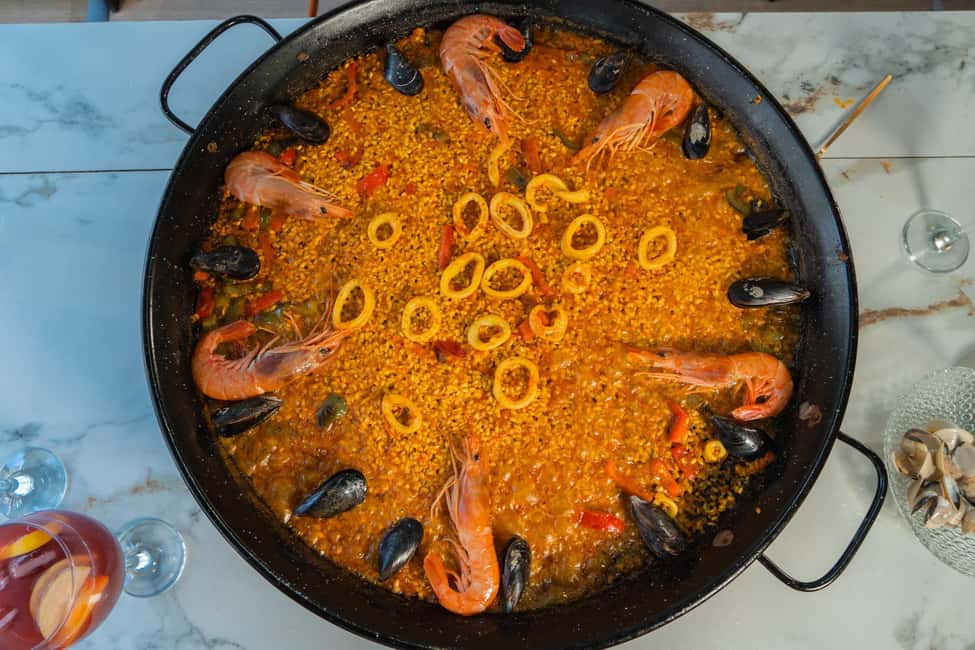
- Choosing your paella type: seafood, chicken, or vegetable
- Sangria workshop + tapas: learning the blend while food is ready
- The human side: instructors who keep it fun
- The tasting moment: paella plus Spanish omelette and ham toast
- How to decide between seafood, chicken, and vegetable paella
- Who this workshop suits best (and who might want a different plan)
- Price and value: is $79 per person fair?
- Getting there: meeting point details that save stress
- Small rules that affect comfort
- Should you book this paella and sangria workshop?
- FAQ
- How long is the paella and sangria workshop?
- What paella options can I choose?
- What’s included with the ticket?
- What languages are the instructors?
- Is there a private option?
- Where do I meet for the workshop?
- Is cancellation free?
Key highlights you’ll care about
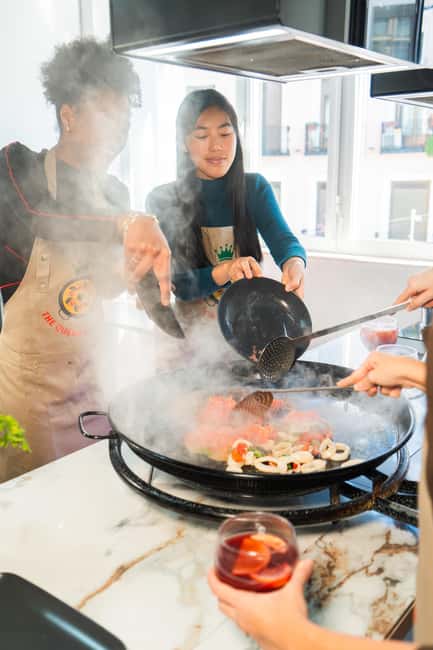
- You cook your own paella, then sit down to eat it after the cooking part finishes
- Pick seafood, chicken, or vegetable paella when you make your reservation
- Sangria workshop plus tapas-style appetizers while you wait for the paella to come together
- Family-friendly participation (the format works even for children)
- You get a diploma and recipes so you can repeat the method at home
- English, Spanish, and Italian-speaking instructors help keep the experience smooth
A bakery-style classroom in the heart of Madrid
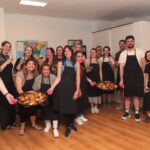
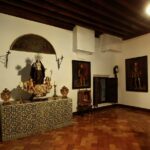
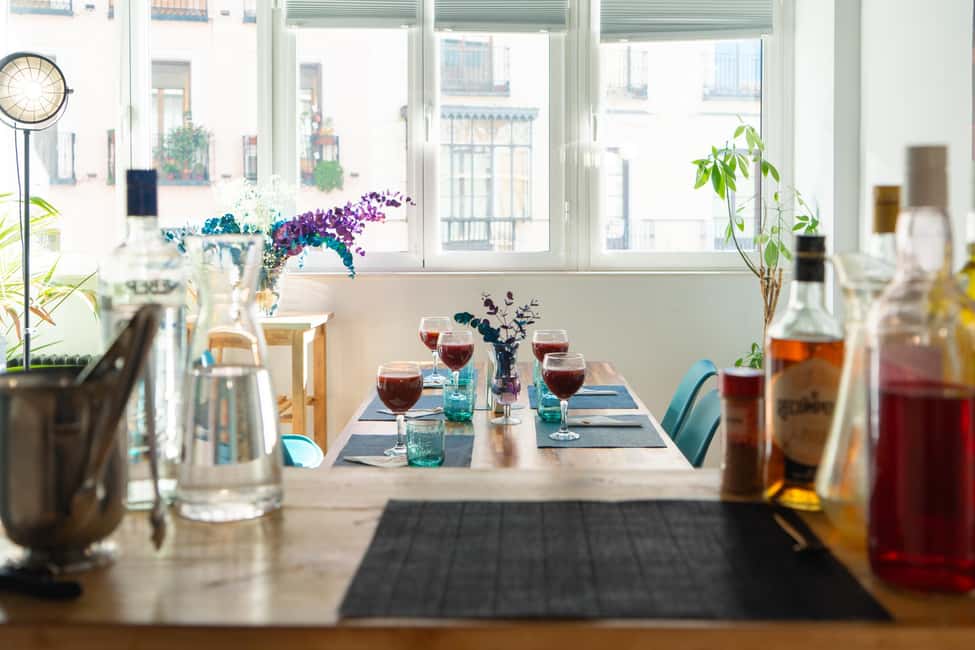
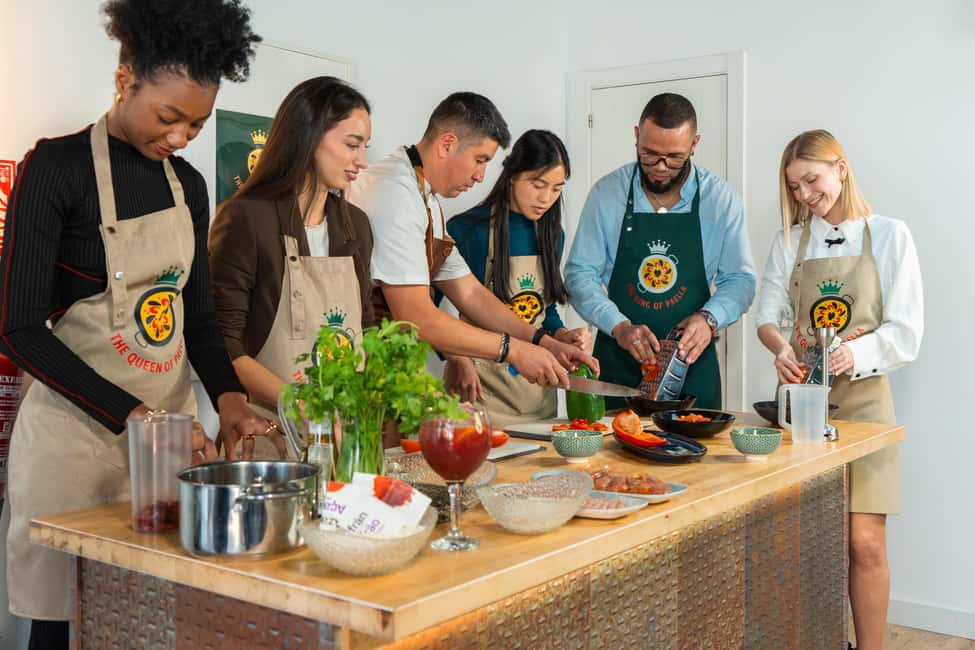
This workshop is held in a cooking space described as a bakery in central Madrid. That matters more than it sounds. You’re not hustling between neighborhoods or trying to figure out where to eat. Instead, you get one focused setting where you can concentrate on technique, smell your ingredients, and actually learn the paella method without distractions.
The setup also feels intentionally “contained.” There’s private space available (including a private workshop option), which is a big plus if you’re traveling as a family or want a calmer vibe than a big public-group experience. And because it’s a cooking class format, you spend your time doing rather than waiting around.
One practical detail: you’ll want to follow the house rules. Bare feet aren’t allowed, and chewing gum is also not allowed. Small rules, but they help keep the space comfortable and safe for everyone cooking.
You can also read our reviews of more tours and experiences in Madrid

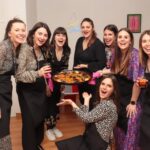
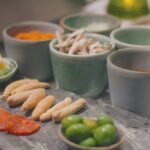
The 3-hour paella workshop: what you do (and why it works)
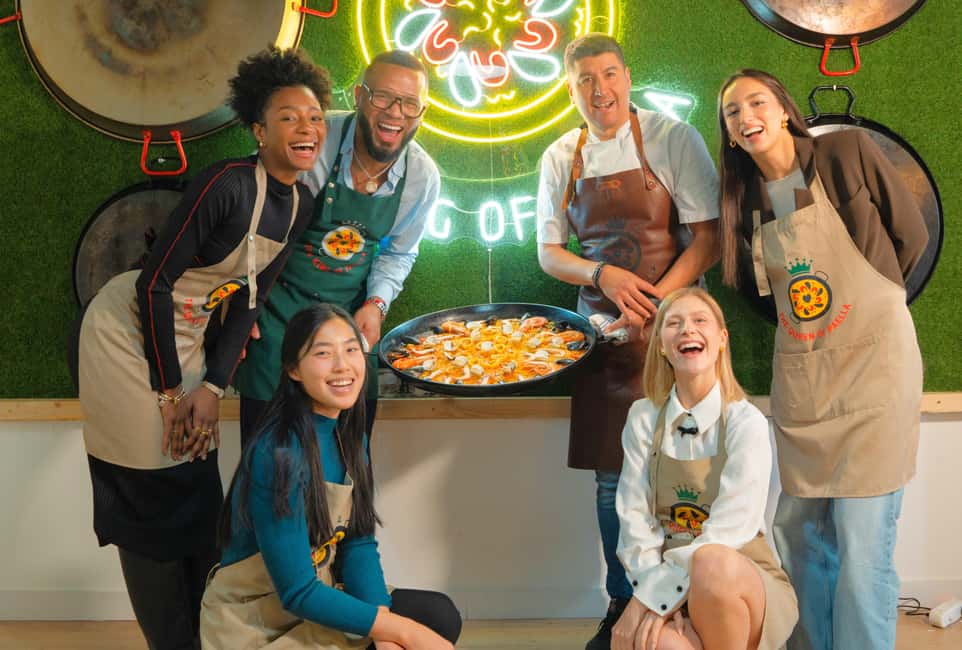
The experience is listed as lasting 3 hours, with starting times depending on availability. In those three hours, the workshop keeps a tight rhythm: instruction first, then hands-on prep, then cooking, then eating.
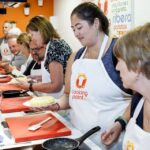
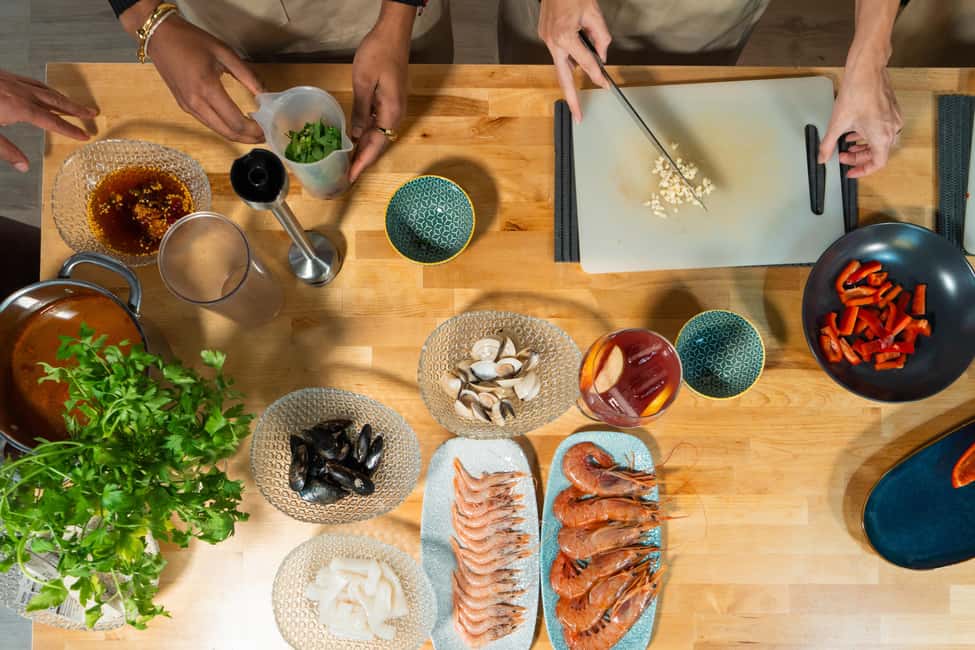
You’ll join a professional chef and learn how to cook paella properly. The key word here is properly—this isn’t just a casual “stir and taste” moment. You’ll get step-by-step guidance on how paella comes together, from the ingredients you prep to how you handle the cooking process.
If you’re wondering whether you need cooking experience: you don’t. The class is designed so you can participate even as a beginner, and kids can join too. That’s often the difference between a fun food tour and a real skill-building class. Here, you’re expected to help with tasks like chopping and cooking steps (the format is interactive, not passive).
Choosing your paella type: seafood, chicken, or vegetable
At reservation time, you choose between seafood, chicken, and vegetable paella options. That choice matters because it changes what you’ll be working with during prep and cooking.
It also gives you control over your comfort zone. One highlight from the experience description is that you don’t need to “like everything” to enjoy the final meal—you can pick a style that fits your preferences. For instance, there’s an account of someone who doesn’t even like seafood finding the paella delicious, which tells me the class emphasizes flavor balance, not just one ingredient category.
Sangria workshop + tapas: learning the blend while food is ready
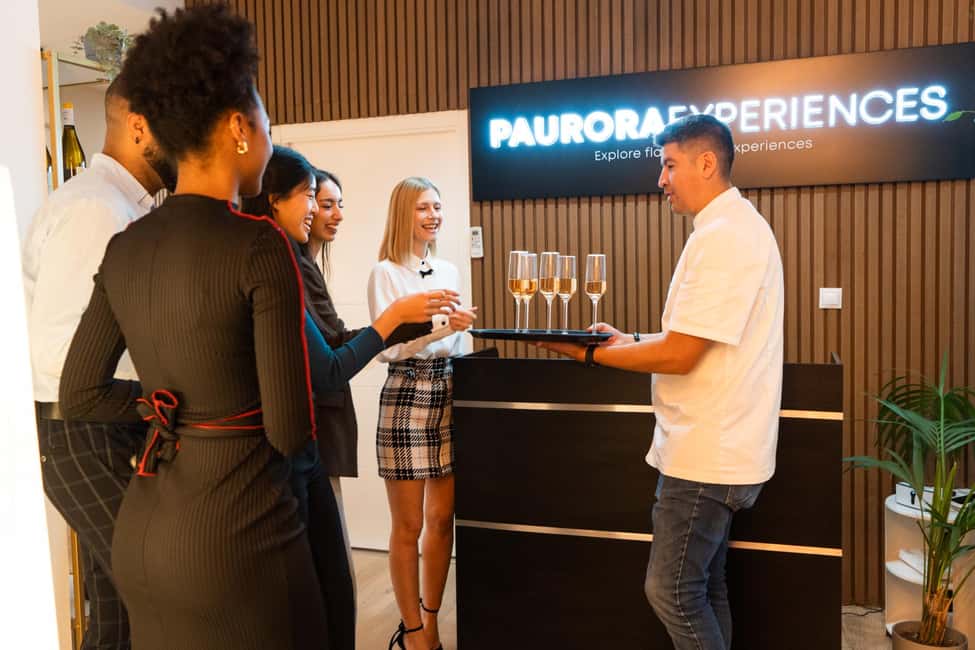
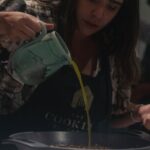
Spanish sangria gets a lot of hype, but the workshop approach here is different. You’ll take a sangria workshop focused on the secrets of making a great blend.
What I like about this pairing is the timing. Paella takes attention, and sangria is the perfect “do something while you wait” partner. You’ll work on sangria, then enjoy an appetizer flow—so the hour doesn’t drag while your pan does its thing.
The class includes:
- Various appetizers
- Spanish shots
- Water, miscellaneous refreshments, and juice
- And sangria as part of the workshop format
One small note: cocktails are specifically listed as not included. So if you’re expecting a cocktail menu on top of sangria, plan on sticking to what the workshop provides.
The human side: instructors who keep it fun
A cooking class lives or dies with the teacher’s energy. The information here points to instructors who can teach in English, Spanish, and Italian, which helps a lot if your group has mixed language comfort.
Also, based on the instructors’ names that show up in the experience, you might meet hosts such as Toni, Jesus, Paulo, or co-hosts like Marcos, Marian, and Viviana (among others). You’ll likely notice a common pattern: hands-on teaching with encouragement. Several accounts describe hosts who make the process feel friendly and interactive, which I think is exactly what you want in a class where you’re learning something new.





The tasting moment: paella plus Spanish omelette and ham toast
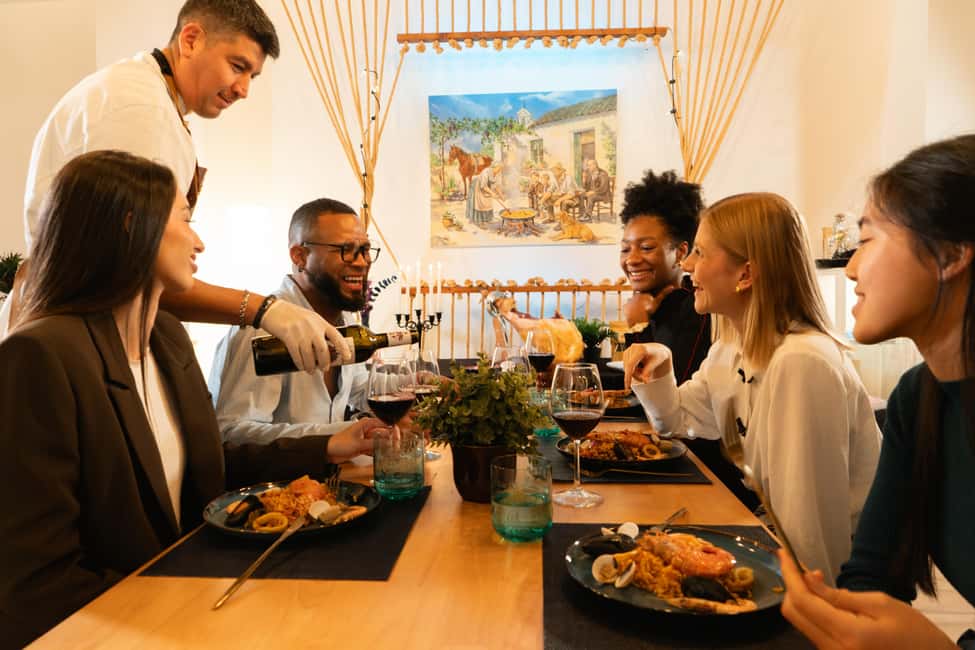
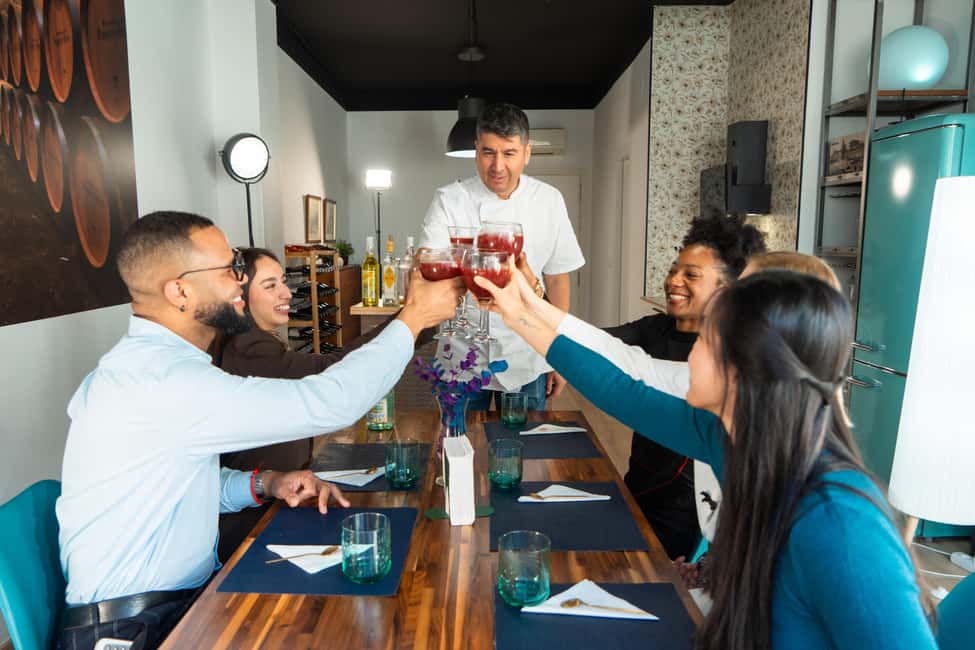
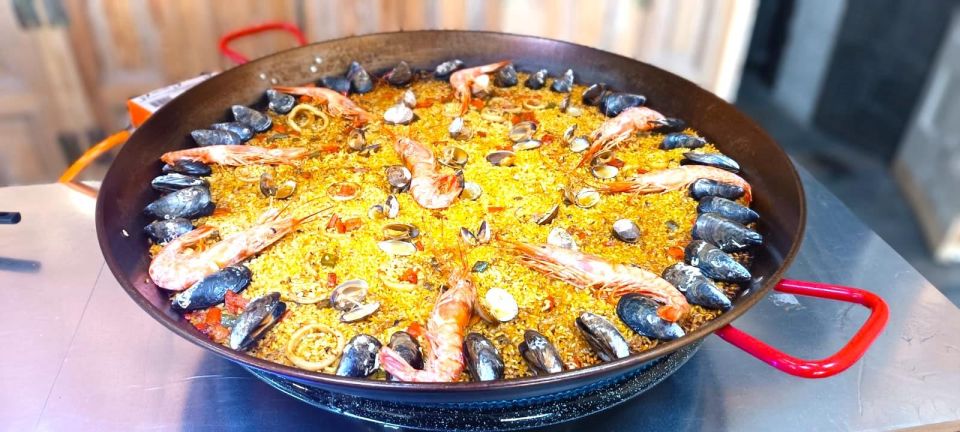
After you finish cooking, the workshop ends with the best part: sitting down to eat. Your paella is the centerpiece, and it’s included as part of the experience.
But it’s not just paella on repeat. The included meal also features:
- Spanish omelette
- Ham toast with tomato
- Various appetizers leading into the main meal
This is smart for a few reasons. First, it keeps the tasting balanced. Paella is filling and savory; the omelette and toast add familiar Spanish comfort flavors. Second, it creates a smooth “work then eat” arc, which makes the whole 3 hours feel like one continuous experience instead of two separate activities.
And yes, sangria is part of that arc too. Many accounts mention it being plentiful, which fits the workshop structure: you’re not just tasting a sip—you’re learning the blend and enjoying the result with the meal.
How to decide between seafood, chicken, and vegetable paella
If you’re still choosing, here’s my practical cheat sheet based on what this format supports.
- Seafood paella: Great if you want classic Spanish coastal flavors and you’re comfortable with seafood in general.
- Chicken paella: Often the easiest crowd-pleaser if you want a familiar, hearty option.
- Vegetable paella: A good pick if you prefer lighter flavors or want a non-seafood dish that still feels like a real paella, not a side salad.
The value of having all three options is that you’re not forced into a single “default” dish. You can tailor the experience to your group—and you’ll be participating in the prep based on what you chose.
Who this workshop suits best (and who might want a different plan)
This is a strong match for:
- First-time cooks who want a guided method they can repeat at home
- Food lovers who like learning technique, not only sampling
- Families—the experience is described as working even for children
- Groups that want shared fun, especially because the class format is interactive and social
It’s also ideal for people who want an alternative to a pure tapas crawl. Madrid has plenty of places to eat. This gives you something different: you leave with both full bellies and actual recipes.
You might choose something else if you want:
- a purely restaurant-style meal with no cooking
- lots of cocktail variety beyond what’s built into the workshop
- a long, wandering evening with many stops
But if your goal is to do one memorable, hands-on Spanish food experience, this fits the bill.
Price and value: is $79 per person fair?
At $79 per person, this is not a bargain-basement activity. It’s priced like a guided, ingredient-driven workshop with a chef, tastings, and added extras.
What makes it feel like value rather than a splurge:
- You get a paella workshop and a sangria workshop (two guided cooking experiences)
- You receive included food: paella, Spanish omelette, ham toast with tomato, various appetizers
- Included drinks cover water, refreshments, juice, plus Spanish shots
- You leave with an official diploma and recipes, which is a real “take-home” benefit
What keeps expectations grounded:
- Cocktails are not included, so don’t assume you’ll order a full bar menu
- You’re paying for the class format, so it’s still a set experience rather than flexible free time
For me, the price makes sense if you want one structured activity that combines skills, meal, and a drink component—without you having to do the shopping, the planning, or the guesswork.
Getting there: meeting point details that save stress
You meet at the address, then you go up to the second floor and look for door A. The activity ends back at the meeting point.
If you’re arriving by taxi or on foot in a busy part of Madrid, this specific door reference helps you avoid that frantic “is this the right place?” moment. Still, I’d arrive a few minutes early so you have time to orient yourself before the group starts.
Small rules that affect comfort
To keep things smooth, remember:
- no bare feet
- no chewing gum
It’s not dramatic, but if you show up in sandals, you’ll be fine—you just want socks or proper closed shoes for cooking around shared prep areas.
Should you book this paella and sangria workshop?
Book it if you want:
- a hands-on Spanish cooking experience in Madrid
- a guided way to learn paella and sangria you can repeat later
- a meal that includes more than just one dish (paella plus omelette and ham toast)
- a format that works for mixed ages, including kids
Skip or compare if you’re after:
- a free-form night with lots of cocktail options
- a restaurant-only dinner with no cooking involvement
If your ideal Madrid evening is one clear plan—cook, learn, taste, and leave with recipes—this one is a strong choice.
FAQ
How long is the paella and sangria workshop?
The experience is listed as lasting 3 hours, with exact starting times depending on availability.
What paella options can I choose?
When you reserve, you can choose between seafood paella, chicken paella, and vegetable paella.
What’s included with the ticket?
Included are the paella workshop, sangria workshop, Spanish omelette, ham toast with tomato, various appetizers, water and other refreshments (including juice), Spanish shots, an official diploma, and recipes.
What languages are the instructors?
The instructor languages listed are English, Spanish, and Italian.
Is there a private option?
Yes. A private group/private workshop option is available.
Where do I meet for the workshop?
After you reach the address, go up to the second floor and look for door A. The activity ends back at the meeting point.
Is cancellation free?
Free cancellation is available up to 24 hours in advance for a full refund.