REVIEW · MADRID
Madrid: Private Tour of the Prado Museum
Book on GetYourGuide →Operated by Madrid auf Deutsch · Bookable on GetYourGuide
Two hours, one museum, a clear art story. I love the private guide format for a no-other-participants pace, and I love how the tour maps art history across eras from the Middle Ages to the early 20th century. One catch: museum entry is extra.
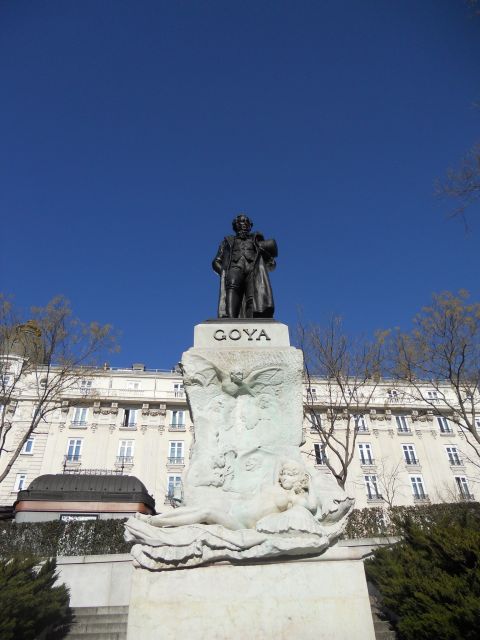
You meet in front of the Prado at the Goya Statue, so you start with direction instead of standing around wondering where to go. The guide is German-speaking (and names like Javier and Anne show up in the feedback for being funny, informative, and attentive to questions).
After the guided portion, you can keep exploring at your own speed. That freedom matters in the Prado, where you’ll want time to return to whatever caught your eye—without feeling rushed or locked into someone else’s pace.
In This Review
- Key things to know before you go
- Why a private Prado museum tour works in just 2 hours
- Meeting at the Prado’s Goya Statue: start with direction
- The art-history walk: Middle Ages to early 20th century
- Master artists and how your guide turns paint into meaning
- Personal pacing, questions, and a guide who actually listens
- What you do after the tour ends (and why it’s smart)
- Price and museum entry fees: getting the math right
- Who should book this Prado private tour in German
- Should you book this Madrid private Prado tour?
- FAQ
- FAQ
- Where is the meeting point for the Prado private tour?
- How long is the tour?
- Is the museum entry fee included in the price?
- What does the tour price include?
- What language is the live tour guide?
- Is the Prado private tour wheelchair accessible?
Key things to know before you go
- Private, no-other-participants tour for a more personal pace than group formats
- German live guide who turns paintings into stories you can follow
- Big art-history sweep from the Middle Ages through Renaissance, Baroque, and into the early 20th century
- Master artists covered across the collection, including Van der Weyden, Rafael, Titian, El Greco, Velázquez, Rubens, Tintoretto, and Goya
- 2-hour structure plus follow-up time so you can keep looking after the route ends
Why a private Prado museum tour works in just 2 hours
The Prado is not small, and it’s not the kind of museum where you can comfortably “wander until it clicks.” This private tour is designed for the opposite problem: you get a focused route that helps you see the collection as a timeline, not a wall of masterpieces.
With a group capped at up to 2 people for the listed price, you’re not competing for the guide’s attention. That matters because the Prado rewards questions—why something looks the way it does, what an artist was trying to do, and how styles changed over time.
I also like the way the tour covers eras, not just famous names. You’ll move from the Middle Ages into the Renaissance and Baroque, then toward the beginning of the 20th century. Instead of treating each painting as a one-off, your guide helps connect them into a bigger story.
The main trade-off is simple: the tour price is only for the guide. You’ll still need to pay the Prado museum entry fee at the venue, which changes your total depending on age and ticket category.
You can also read our reviews of more private tours in Madrid



Meeting at the Prado’s Goya Statue: start with direction
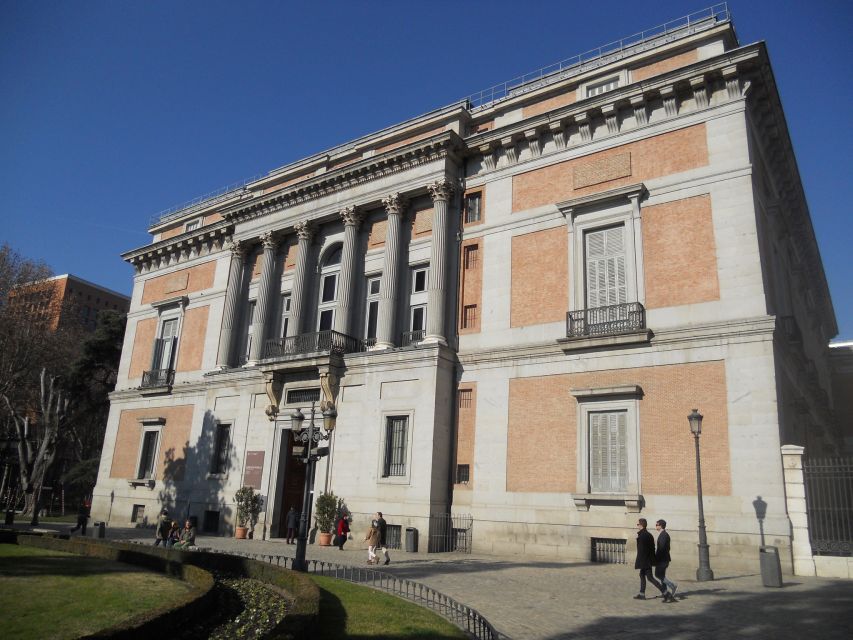
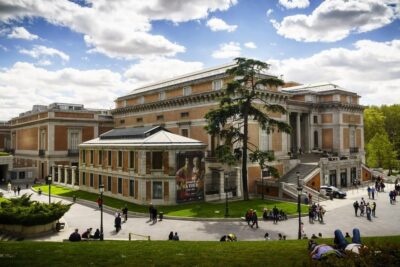
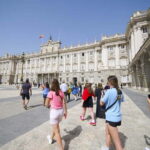
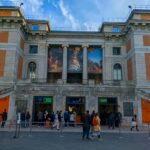
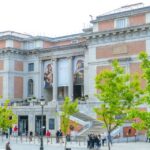
Your meeting point is clearly set: the Goya Statue in front of the main entrance of the Prado, Paseo del Prado, s/n, 28014. That’s actually a good sign. The Prado’s main entrance area can be busy, and having a fixed landmark reduces stress.
From there, you’ll do the first step most people skip: getting your bearings for how the museum tour will unfold. A private guide can point out what to watch for as you move through rooms—how to recognize the style shifts your eye will otherwise miss when you’re trying to read everything at once.
If you’re the type who likes to get oriented quickly, this format is ideal. You’re not starting from zero, and you’re not stuck with the default museum plan of “look at everything and hope.”
The art-history walk: Middle Ages to early 20th century
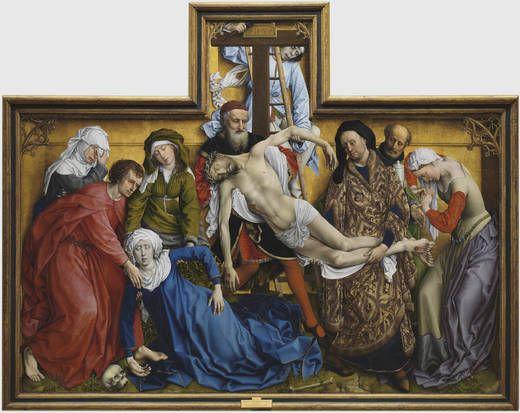
The heart of this experience is the guided art-history route. You’re not just seeing famous paintings—you’re learning how styles and ideas developed from one period to the next.
Expect the tour to cover a sweeping arc:
- early works connected to the Middle Ages
- the shift through the Renaissance
- the Baroque period and its dramatic, persuasive approach to art
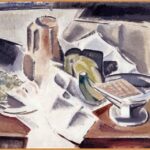
- then moving toward the beginning of the 20th century
Your guide’s job is to help you notice changes in technique and storytelling, so you can look at a painting and understand what you’re seeing. That’s the real value of a timed, structured route: your brain stops treating each room as separate and starts linking them.
Here’s what you’ll likely appreciate most. When an explanation is given at the painting, you can match what the guide says to what’s in front of you. When you leave the painting, you’re not still trying to remember what you were told 10 minutes earlier.
One practical note: the Prado is crowded in spots. A private guide can keep the pace steady through the busy moments, which helps you feel like you’re getting answers rather than just enduring foot traffic.
Master artists and how your guide turns paint into meaning
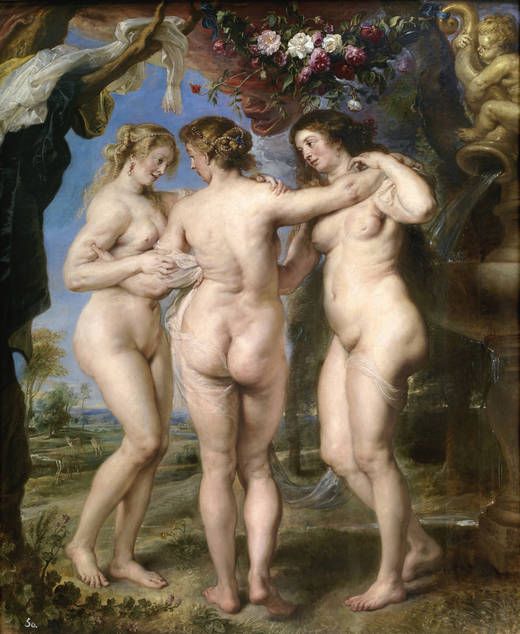
The tour highlights impressive skill across several major artists, including Van der Weyden, Rafael, Titian, El Greco, Velázquez, Rubens, Tintoretto, and Goya. That lineup isn’t random. It’s a way to show how different artists handled subjects, composition, realism, light, emotion, and style changes across centuries.
What you’re paying for here isn’t only access to the collection. It’s the “translation layer” that makes the art readable.
For example, when you’re standing in front of work associated with Van der Weyden, you may get an explanation of how attention to detail and expression shaped the way subjects were portrayed. When the tour shifts toward Rafael and the Renaissance tradition, you can expect the guide to explain the visual logic behind the style—how artists created harmony and clarity. Later, with Titian and the Baroque era, you’ll likely get help understanding how color, drama, and movement become stronger tools for storytelling.
And then the experience widens again. With El Greco, Velázquez, Rubens, Tintoretto, and Goya in the mix, you’ll have moments where the guide helps you see why one artist feels different from another even when they’re dealing with similar themes. That’s the “secrets and impressive skills” angle in practice: you’re not only admiring paintings, you’re learning how the artwork does its job.
This is also where a good guide can make the museum feel fun. One name that comes up is Javier, praised for being funny and informative and for telling stories that make each painting feel like it has a reason to exist. Another name you’ll see is Anne, praised for turning what could feel dry into a chain of engaging stories, and for adjusting well when children are along.
Personal pacing, questions, and a guide who actually listens
The description is clear that questions and requests won’t be left hanging. In a museum setting, that’s more important than it sounds. If you’re the type who wonders about symbolism, technique, or why a style shifted, a standard audio guide can only go so far.
A private format means you can ask as you go, and the guide can steer the route slightly based on what you care about—whether you’re more interested in specific artists, particular periods, or how art history evolved.
This is also where the “individual attention” shows up in real-world feedback. Guides like Javier and Anne are described as very responsive and able to handle different interests. One detail that stands out: there are mentions of the tour going longer than the stated 2 hours. That suggests the experience isn’t treated like a robot schedule; if the group wants more time on key works, the guide can often accommodate.
Still, you should treat the 2-hour length as the planned core. You’ll enjoy the structure, and you’ll also have your own follow-up time after the tour.
You can also read our reviews of more museum experiences in Madrid



What you do after the tour ends (and why it’s smart)
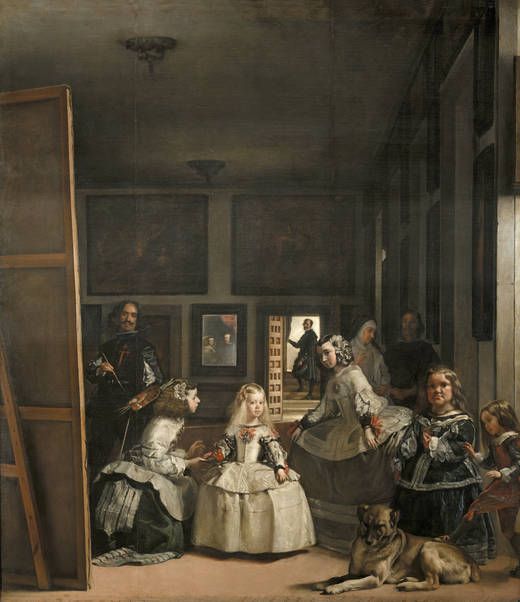
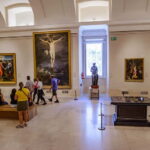
After the guided route, you’ll have time to see other paintings and rooms at your own pace. That matters because the Prado can pull you in directions you didn’t expect.
You’ll likely notice a few patterns:
- You’ll have a couple of “anchor” artists from the tour.
- Then you’ll see neighboring works that connect to those anchors.
- You’ll want to return and look again, now that you know what to look for.
That’s why this setup is better than a rigid group itinerary with no breathing room. Your guide gives you a map. You give the museum the attention it deserves.
If you’re traveling with someone with a different pace—one person wants to linger, another wants to keep moving—this follow-up time lets each person find their own favorites without a tug-of-war.
Price and museum entry fees: getting the math right
The tour price is listed at $171 per group up to 2 people, for a duration of 2 hours. That’s the guide portion for a private experience with no other participants.
On top of that, you must buy museum entry separately. The ticket amounts provided are:
- Adults: EUR 15
- Seniors over 64: EUR 7.50
- Students up to 25: free
These entrance fees are paid at the venue.
So, what does “value” look like? It depends on your group makeup:
- For two adults, your likely extra cost is EUR 30 for entry fees, on top of the $171 guide price.
- If you have a student up to 25, the entry fee piece can drop, making the guide cost feel even more efficient.
- If you have a senior, the entrance savings can also help.
One more detail: the info notes that for larger groups (7 to 15 participants), headphones are required by museum guidelines, with an extra EUR 1 for head phones. For this specific private setup (up to 2), this requirement is unlikely to apply, but it’s a good example of how museum rules can affect your total.
My advice is to budget for both the guide and museum entry, and to bring enough cashless payment options for the venue purchase. Once you plan for that, the tour price makes more sense: you’re paying for guided, structured time, not just “being in the building.”
Who should book this Prado private tour in German
This works especially well if:
- you want a clear art-history route in a limited time window
- you prefer a private, questions-allowed experience over a group lecture
- you’re comfortable in German (the live tour guide is German)
- you appreciate seeing major artists across long periods rather than only focusing on one corner of the museum
It can also be a strong choice if you’re traveling with kids who are still learning how to look at art. One feedback detail specifically mentions that a guide (Anne) was super with children aged 11 and 9, responding well to their needs while still keeping the adults interested.
And if you use a wheelchair, this tour is listed as wheelchair accessible. That matters because museum navigation can be stressful when you don’t know the building, and a guide can help keep things manageable.
Should you book this Madrid private Prado tour?
Book it if you want the Prado to feel understandable, not overwhelming. The big win is the combination of private attention and an art-history sweep across major periods—Middle Ages, Renaissance, Baroque, and toward the early 1900s—supported by explanations of major artists like Rafael, Titian, El Greco, Velázquez, Rubens, Tintoretto, and Goya.
Also book it if you know you’ll ask questions. The format is built for discussion, and that’s where the experience tends to become more personal and more fun.
Skip it (or reconsider) if you’d rather pay only for entry and spend your time freely with no structure. This tour adds value through guidance and pacing, so if you hate being guided at all, you might prefer a self-paced visit.
If you’re on a first trip to Madrid and you want to hit the Prado with a plan, this is one of the more sensible ways to do it in just 2 hours—then you get to choose what happens next.
FAQ
FAQ
Where is the meeting point for the Prado private tour?
You meet at the Goya Statue in front of the main entrance of the Prado Museum, Paseo del Prado, s/n, 28014.
How long is the tour?
The tour lasts 2 hours.
Is the museum entry fee included in the price?
No. Museum entry fee is not included, and you pay it at the venue.
What does the tour price include?
The included portion is a private tour with a personal guide with no other participants.
What language is the live tour guide?
The live tour guide language is German.
Is the Prado private tour wheelchair accessible?
Yes, the activity is listed as wheelchair accessible.